

CURRENT AFFAIRS | MARCH 23, 2026 | CLAT GK + ENVIRONMENT LAW
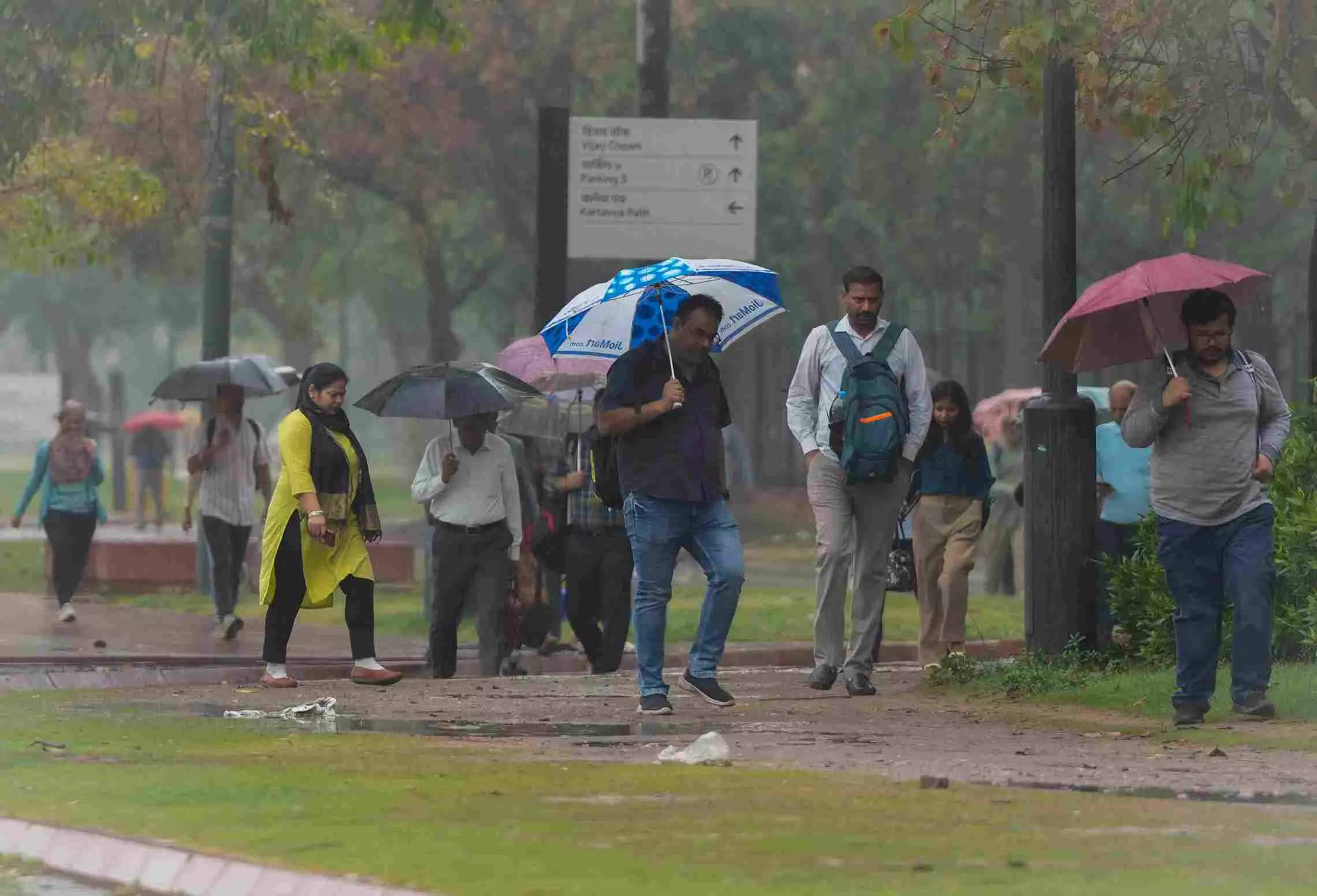
India experienced extreme weather whiplash in March 2026 — parts of Rajasthan and Gujarat crossed 43°C nearly two months before usual peak summer, while Maharashtra, Telangana, and Karnataka were simultaneously battered by unseasonal hailstorms destroying Rabi crops. Scientists link this to intensified Western Disturbances, waning La Nina, and the broader fingerprint of climate change on Indian weather patterns.
Why CLAT 2027 Aspirants Must Know This
Environmental law is a high-scoring CLAT Legal Reasoning topic. This article directly connects climate science with constitutional provisions (Articles 48A, 51A(g)), environmental legislation (EPA 1986, NGT Act 2010), and landmark cases (M.C. Mehta). CLAT GK frequently tests IMD heatwave definitions, NAPCC missions, and India’s Paris Agreement commitments.
Key Facts at a Glance
- Rajasthan, Gujarat, MP crossed 43°C in early March 2026 — ~2 months before normal peak summer
- Maharashtra, Telangana, Karnataka hit by unseasonal hailstorms destroying Rabi crops
- Scientists cite: more intense Western Disturbances, transitioning La Nina, climate change
- Rabi crops (wheat, mustard, chickpea) severely damaged — India’s wheat output at risk
- IMD defines heatwave: temp ≥40°C in plains + departure ≥4.5°C from normal; severe = ≥6.5°C
- Western Disturbances originate in the Mediterranean Sea — bring winter rain to NW India
- La Nina (cooler Pacific) = normally stronger monsoon for India; its weakening disrupts normal weather
- India’s updated NDC (2022): 45% reduction in emissions intensity by 2030 vs. 2005 levels
- NDMA classifies heatwaves as a disaster under the Disaster Management Act, 2005
- PM2.5 spiked in Delhi during the heatwave period due to stagnant air conditions
Key Terms and Definitions
| Term | Definition |
|---|---|
| Western Disturbance | Extratropical cyclone originating over the Mediterranean Sea; travels eastward; primary source of winter rainfall in northwest India |
| Heatwave (IMD) | Temperature ≥40°C in plains (≥30°C in hills) AND departure of ≥4.5°C from normal. Severe heatwave = departure ≥6.5°C |
| La Nina | Climate pattern with cooler-than-average central Pacific Ocean temperatures — typically brings above-normal monsoon rainfall to India |
| Rabi Season | Winter crop season in India — sown October-November, harvested March-April; major crops: wheat, mustard, barley, chickpea |
| NDC | Nationally Determined Contribution — each country’s self-determined climate pledge under the Paris Agreement |
| NAPCC | National Action Plan on Climate Change (2008) — India’s framework with 8 national missions for climate adaptation and mitigation |
Constitutional and Legal Framework
- Article 48A (DPSP): State shall endeavour to protect and improve the environment and safeguard forests and wildlife
- Article 51A(g) (Fundamental Duty): Every citizen has a duty to protect and improve the natural environment including forests, lakes, rivers and wildlife
- Environment Protection Act, 1986: Umbrella legislation for environmental protection; gives government broad powers to regulate activities causing pollution
- Disaster Management Act, 2005: Framework for heatwave response; NDMA (under Home Ministry, chaired by PM) classifies heatwaves as disasters
- NAPCC (2008): 8 national missions — National Solar Mission, Enhanced Energy Efficiency, Sustainable Habitat, Water, Himalayan Ecosystem, Green India, Sustainable Agriculture, Strategic Knowledge
- NGT Act, 2010: National Green Tribunal — specialised tribunal for fast-track environmental dispute resolution
- M.C. Mehta v Union of India: Series of landmark green bench cases establishing polluter pays principle and state’s duty to protect environment
- Paris Agreement (2015, COP21): India ratified 2016; targets limiting warming to 1.5°C above pre-industrial levels
Quick Takeaways for CLAT 2027
- IMD Heatwave = ≥40°C + ≥4.5°C departure; Severe = ≥6.5°C departure
- Western Disturbances = from Mediterranean Sea; bring winter rain to NW India
- La Nina = cooler Pacific = stronger Indian monsoon; El Nino = opposite
- Rabi = wheat/mustard/chickpea; Kharif = rice/cotton/soybean
- Article 48A = DPSP on environment (state’s duty); Article 51A(g) = citizen’s duty
- NAPCC (2008) = 8 missions; NDC (updated 2022) = 45% emissions intensity cut by 2030
- NDMA = under Home Ministry; PM chairs; classifies heatwaves as disasters
Practice Quiz — 10 CLAT-Style Questions
Click an option to reveal the answer and explanation.