
CURRENT AFFAIRS | 1 APRIL 2026
CLAT GK + CONSTITUTIONAL LAW & INTERNAL SECURITY
• UAPA 1967 (amended 2019) — designating individuals as terrorists
• Article 19(2)-(4) — reasonable restrictions on fundamental rights
• Article 22 — protection against arbitrary arrest
• PUCL v State of Maharashtra — encounter killing guidelines
• Internal security framework and Left Wing Extremism (LWE)
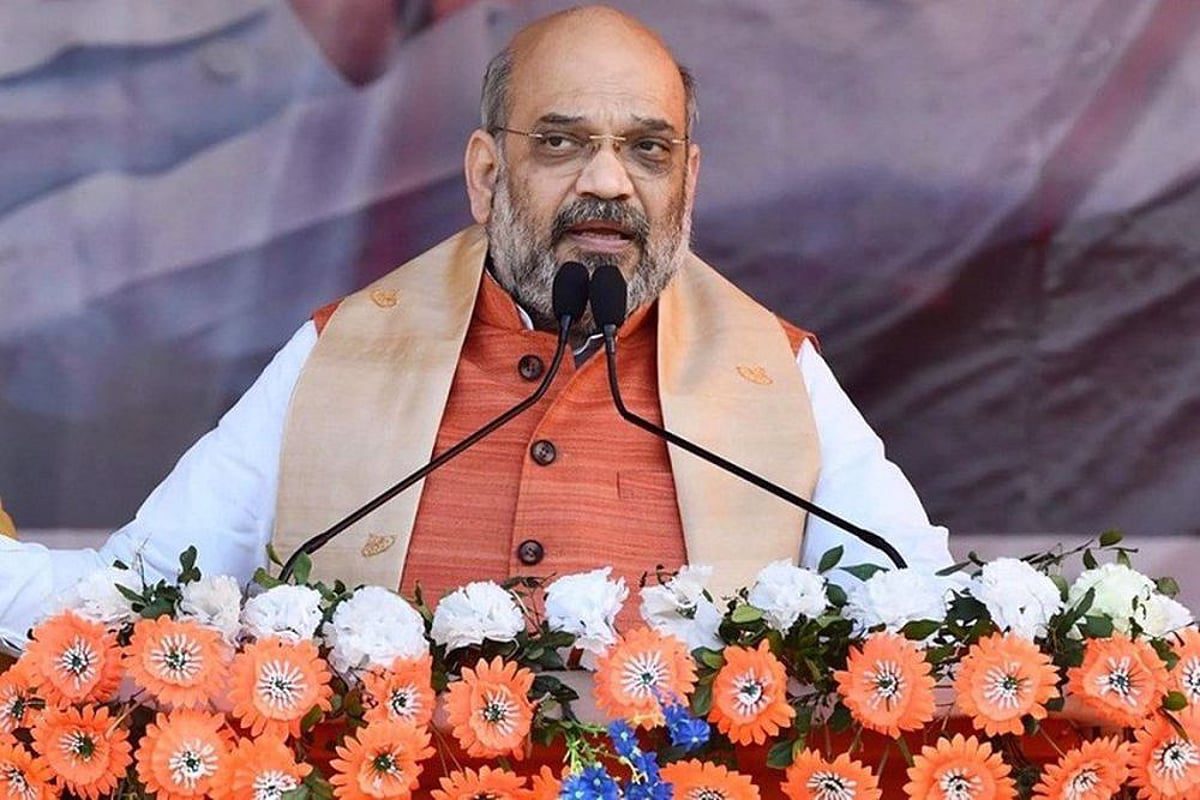
What Happened: Shah’s Deadline Met
On March 31, 2026 — the last day of Union Home Minister Amit Shah’s deadline for eradication of Left Wing Extremism — 25 Maoists surrendered in Chhattisgarh’s Bijapur district. The surrendered cadres came from the insurgency-affected districts of Bijapur, Dantewada, and Sukma, which form the core Bastar region.
Key highlights of the operation:
- Cash and gold worth Rs 14.16 crore recovered from the surrendered militants
- 139 weapons seized, including AK-47 rifles, INSAS rifles, and SLR (Self-Loading Rifles)
- Three militants were arrested for extortion activities
- The government declared India “Naxal-free” following the deadline, with nearly 96% of Bastar now free from Naxal influence
The Road to March 31: Anti-Naxal Operations
The March 31 deadline was the culmination of an intensified anti-Naxal strategy:
- 2025 operations: Security forces neutralised 364 Naxals, arrested 1,022, and facilitated 2,337 surrenders
- 108 hardened Maoists with cumulative rewards of Rs 3.95 crore surrendered in March 2026
- Papa Rao, the last important Naxal leader in Bastar, surrendered — he had been active since 1997, faced 45 criminal cases, and was linked to the 2010 Tadmetla ambush that killed 76 security personnel
- Maoist memorials in Bijapur were demolished by security forces
- Despite the declaration of victory, at least two commanders (Chander and Roopi) remain active in the Kanker-Mohla-Manpur border region
Legal Framework: Anti-Naxal Laws & Fundamental Rights
1. UAPA 1967 (Unlawful Activities Prevention Act)
• Primary law for designating organisations as unlawful/terrorist
• 2019 Amendment: Empowered Centre to designate individuals (not just organisations) as terrorists
• Section 43D(5): Restricts bail — courts cannot grant bail if there are reasonable grounds to believe the accusation is prima facie true
• CPI(Maoist) is a banned organisation under UAPA
2. Article 19(2)-(4) — Reasonable Restrictions
• Art 19(1)(a): Freedom of speech — can be restricted for sovereignty and security of State
• Art 19(1)(b): Freedom to assemble peacefully — restricted for public order
• Art 19(1)(d): Freedom to move freely — restricted for general public interest
• Naxal areas often see restrictions on movement and assembly under these provisions
3. Article 22 — Protection Against Arrest & Detention
• Art 22(1): Right to be informed of grounds of arrest
• Art 22(2): Right to consult and be defended by a legal practitioner
• Art 22(4)-(7): Preventive detention provisions — maximum 3 months without advisory board approval
• Critical in anti-Naxal operations where mass arrests raise due process concerns
4. PUCL v State of Maharashtra (2014)
• Supreme Court laid down 16-point guidelines for investigating police encounter killings
• Mandatory FIR registration for every encounter death
• Independent investigation by CID or another agency
• Applies to all anti-Naxal encounter operations
• Fundamental rights vs National security: The tension between protecting individual liberties (Art 14, 19, 21, 22) and maintaining internal security is a core CLAT topic
• UAPA constitutionality: The 2019 amendment faced challenges — can the government designate individuals as terrorists without judicial review?
• Surrender & rehabilitation policy: Tests the State’s approach — punitive vs rehabilitative justice
• AFSPA debate: Though not applied in Chhattisgarh, the question of special powers in disturbed areas is closely linked
• Development vs Security approach: The root causes of Naxalism (tribal rights, land acquisition, forest rights) remain important for CLAT GK
| Deadline | March 31, 2026 (Amit Shah) |
| Surrendered | 25 Maoists (Bijapur) |
| Districts | Bijapur, Dantewada, Sukma |
| Cash/Gold recovered | Rs 14.16 crore |
| Weapons seized | 139 (AK-47, INSAS, SLR) |
| 2025 operations | 364 neutralised, 1,022 arrested, 2,337 surrenders |
| Key Law | UAPA 1967 (amended 2019) |
| Bastar area cleared | ~96% |
N — NIA (National Investigation Agency — investigates UAPA cases)
A — Article 19(2)-(4) (reasonable restrictions for security)
X — eXtra-judicial killings (PUCL guidelines — 16 points)
A — Article 22 (protection against arbitrary arrest)
L — Left Wing Extremism (LWE) — banned under UAPA
Source: The Federal, Outlook India, Dainik Jagran — March 2026
Practice Quiz
Test your understanding with these 10 MCQs:
Practice Quiz — 10 CLAT-Style Questions
Click an option to reveal the answer and explanation.