
CURRENT AFFAIRS | MAY 8, 2026
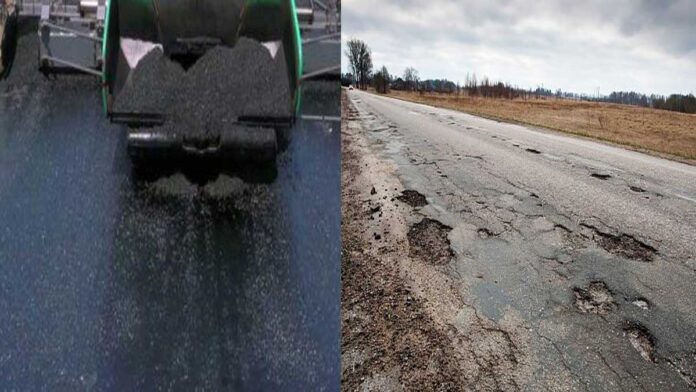
When bitumen — the dark, viscous petroleum byproduct that binds India’s roads together — costs nearly double what it did six months ago, the consequences ripple far beyond the construction site. In 2026, the West Asia conflict has done exactly that: pushed bitumen prices from Rs 40,000 per metric tonne to Rs 70,000–80,000, a surge of 40–80%, paralyzing infrastructure projects across the country. Delhi’s Public Works Department (PWD) has halted work on over 600 km of roads. Contractors nationwide are invoking cost-escalation clauses. And schemes like PMGSY face a financial reckoning that no one budgeted for.
Constitutional Framework
Art. 300A — No person shall be deprived of their property save by authority of law. Contractors whose project costs have surged beyond their original tender price invoke this when government refuses cost-escalation claims.
Art. 246 + Seventh Schedule List I, Entry 13 — Parliament has exclusive legislative power over highways, shipping, and navigation. National highway projects (Bharatmala, PMGSY) fall under Union jurisdiction; state roads under List II Entry 13.
Fiscal Federalism angle — Urban road repair (MCD/PWD) is primarily a state/city function. When commodity inflation hits, states bear the cost escalation but may not have the fiscal space to re-approve budgets without Centre intervention.
Why Is Bitumen So Expensive Right Now?
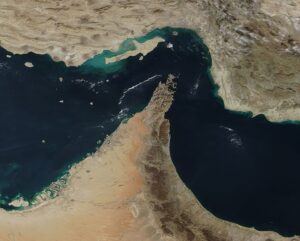
Bitumen is a heavy residual product of crude oil refining — it comes from the bottom of the barrel, literally. When crude oil supply chains tighten due to the ongoing West Asia conflict (involving Iran, a major crude exporter), two things happen simultaneously: crude prices rise, and the refinery margins for heavy residuals like bitumen spike disproportionately. Iran is among the world’s largest bitumen exporters; supply from Indian Oil Corporation has reportedly dropped by nearly 50%.
In Haryana, prices jumped from Rs 46,402/tonne (February 28) to Rs 76,152/tonne (April 1) — a 64% spike in 30 days. In Himachal Pradesh, prices nearly doubled from Rs 44,000 to Rs 88,000/tonne. Delhi’s figures align with the national trend: from Rs 40,000 to Rs 70,000–80,000/tonne.
CLAT Angle — What Examiners Will Test
- Public procurement law: Government contracts in India follow the General Financial Rules (GFR) and standard bidding documents. A contractor who bids at market rates at time of tendering can suffer massive losses if commodity prices surge mid-project.
- Cost-escalation clauses (Price Variation Clause / PVC): Standard government contracts include a PVC formula — if a material’s price index rises beyond a threshold, the contractor gets compensatory payment. The current spike tests whether PVC formulas are adequate.
- EFC (Expenditure Finance Committee): For project cost overruns beyond a certain threshold, re-approval from EFC is mandatory. This causes delays — the committee must convene, evaluate, and approve revised project costs before work can resume.
- PMGSY legal basis: Under Art. 112 of the Constitution (Annual Financial Statement), PMGSY funds are part of Union Budget allocations. Any cost revision requires supplementary demands or re-appropriation within the Ministry of Rural Development’s budget.
The Schemes at Stake
Four major schemes are directly impacted:
- PMGSY (Pradhan Mantri Gram Sadak Yojana): Launched in 2000, it targets all-weather road connectivity to unconnected rural habitations. Entirely bitumen-dependent. Cost escalation directly reduces the number of km that can be built per crore of rupees spent.
- Bharatmala Pariyojana: Rs 5.35 lakh crore national highway programme covering 34,800 km. Large contracts with PVC clauses, but the magnitude of the current spike may exceed standard formula relief.
- Smart Cities Mission: Urban road improvement components in 100 Smart Cities. PWD and ULBs are the primary contractors — both impacted by Delhi’s halt.
- AMRUT 2.0: Atal Mission for Rejuvenation and Urban Transformation — includes roads in its urban infrastructure mandate.
Key Facts — Quick Reference
| Parameter | Detail |
|---|---|
| Bitumen price (pre-surge) | ~Rs 40,000/metric tonne |
| Bitumen price (post-surge) | Rs 70,000–80,000/metric tonne (40–80% rise) |
| Delhi PWD roads halted | 600+ km |
| Root cause | West Asia conflict — crude oil supply disruption |
| Haryana price spike | 64% in 30 days (Feb 28 to Apr 1, 2026) |
| EFC stands for | Expenditure Finance Committee |
| PMGSY launched | 2000, rural all-weather roads |
| Bharatmala total outlay | Rs 5.35 lakh crore / 34,800 km |
Mnemonic — ROAD to Remember
R — Raw material (bitumen) from crude petroleum
O — Origin of crisis: West Asia conflict — Iran crude disruption
A — Art. 300A (property) + Art. 246 + List I Entry 13 (highways)
D — Delhi PWD: 600 km roads halted; EFC re-approval needed
S — Schemes: PMGSY, Bharatmala, Smart Cities, AMRUT 2.0
Practice Quiz — 10 CLAT-Style Questions
Click an option to reveal the answer and explanation.