
CURRENT AFFAIRS | MARCH 26, 2026
With West Bengal Assembly elections scheduled for April 6 and 9, 2026, a staggering 60.06 lakh voters remain under “adjudication” following the Election Commission’s Special Intensive Revision (SIR) process. These voters do not know whether they will be able to exercise their franchise. The Supreme Court has ordered the appointment of 500 judicial officers to oversee the process. For CLAT 2027 aspirants, this is a goldmine of constitutional law, election law, and democratic rights.
What Is the Special Intensive Revision (SIR)?
The Special Intensive Revision is an extraordinary process undertaken by the Election Commission to verify and clean electoral rolls. In West Bengal’s case:
- 60.06 lakh voters were flagged for “logical discrepancy” — data mismatches in their electoral roll entries
- These voters have been placed under “adjudication” — meaning their inclusion in the final voter list is pending verification
- Electoral rolls were published in February 2026, but supplementary lists (which would resolve these cases) are still pending
- The Supreme Court ordered 500 judicial officers to be appointed to ensure fair adjudication
Political Controversy
The SIR process has become a flashpoint between the ruling TMC and the opposition BJP:
- Chief Minister Mamata Banerjee claims 8 lakh names have been deleted from voter rolls
- BJP leader Suvendu Adhikari estimates the figure at 14 lakh deletions
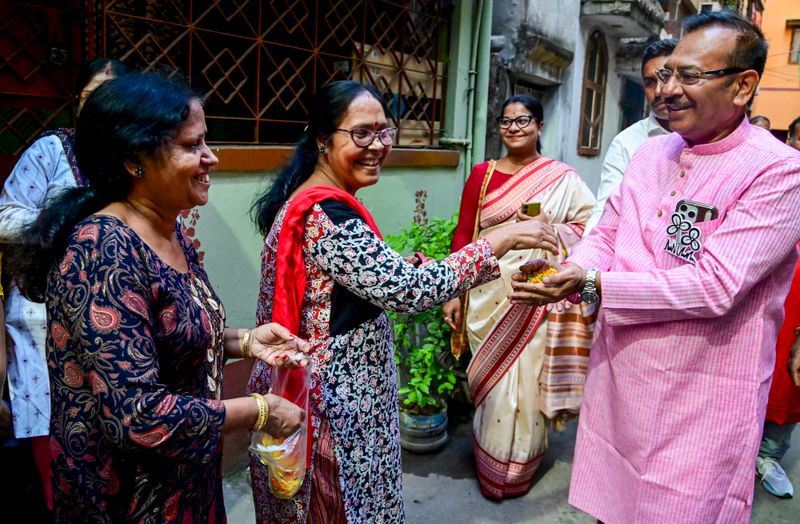
- Individual cases like Rashida Bibi — whose name was removed after adjudication without her knowledge — highlight the human impact
- Questions raised about whether the process has been conducted transparently and whether genuine voters are being disenfranchised
Constitutional Framework
Article 324 — The superintendence, direction, and control of the preparation of electoral rolls for, and the conduct of, all elections to Parliament and State Legislatures shall be vested in the Election Commission. This is the source of ECI’s plenary power over elections.
Article 325 — There shall be one general electoral roll for every territorial constituency. No person shall be ineligible for inclusion in any such roll on grounds only of religion, race, caste, sex, or any of them.
Article 326 — Elections to the House of the People and to the Legislative Assembly of every State shall be on the basis of adult suffrage — every person who is a citizen of India and not less than 18 years of age shall be entitled to be registered as a voter.
CLAT Angle — How This Can Be Asked
- Reading Comprehension: Passage on the SIR controversy — questions on ECI powers, voter rights, and democratic participation
- Legal Reasoning: Scenario — A voter whose name was removed during SIR files a writ petition under Art. 226. Can the High Court interfere with ECI’s decisions under Art. 324?
- Logical Reasoning: If 60.06 lakh voters are under adjudication and elections are in 10 days, and each judicial officer can process 200 cases per day, can 500 officers complete the task in time?
- GK/Current Affairs: Direct questions on Art. 324-326, Representation of People Act 1950, ECI composition, SIR process
Representation of the People Act, 1950
The Representation of the People Act 1950 provides the statutory framework for preparation and revision of electoral rolls:
- Section 21 — Preparation and revision of electoral rolls by the Electoral Registration Officer
- Section 22 — Correction of entries in electoral rolls
- Section 23 — Inclusion of names in electoral rolls — any person may apply for inclusion
- Section 24 — Appeals from orders of Electoral Registration Officers lie to the District Judge or designated authority
The SIR essentially accelerates the revision process under Section 21, but the scale of 60.06 lakh flagged voters raises questions about process adequacy and voter protection.
Key Facts at a Glance
| Voters under adjudication | 60.06 lakh |
| Election dates | April 6 & 9, 2026 |
| Judicial officers appointed (SC order) | 500 |
| Mamata’s deletion claim | 8 lakh |
| Suvendu’s deletion estimate | 14 lakh |
| Flagging criterion | Logical discrepancy (data mismatch) |
| Key statute | Representation of People Act 1950 |
ECI’s Plenary Powers Under Article 324
Article 324 grants the Election Commission plenary powers over elections. The Supreme Court has consistently upheld these powers:
- Mohinder Singh Gill v. CEC (1978) — Where law is silent, Art. 324 fills the gap. ECI has residuary powers to ensure free and fair elections.
- T.N. Seshan v. Union of India (1995) — ECI’s powers under Art. 324 are wide enough to include all powers necessary for smooth conduct of elections.
- However, ECI must act within constitutional bounds and cannot violate fundamental rights, including the right to vote.
Mnemonic: VOTE (Election Articles 324-329)
V — Vested in ECI (Art. 324) — superintendence, direction, control of elections
O — One electoral roll (Art. 325) — no exclusion on religion, race, caste, sex
T — Twenty-one replaced by Eighteen (Art. 326) — adult suffrage at 18 years (61st Amendment, 1989)
E — Election petitions (Art. 329) — no court shall question validity of electoral roll; election disputes only by election petition
The Right to Vote — Fundamental or Statutory?
An important distinction for CLAT:
- The right to vote is a statutory right under the Representation of People Act, not a fundamental right
- However, Art. 326 provides a constitutional foundation for adult suffrage
- The Supreme Court in PUCL v. Union of India (2013) held that the right to vote includes the right to know about candidates (NOTA option)
- Disenfranchising 60.06 lakh voters without proper adjudication could raise Art. 14 (equality) and Art. 21 (personal liberty) concerns
[clat_quiz data-b64=”W3sicSI6ICJIb3cgbWFueSB2b3RlcnMgaW4gV2VzdCBCZW5nYWwgYXJlIHVuZGVyIGFkanVkaWNhdGlvbiBhZnRlciB0aGUgU3BlY2lhbCBJbnRlbnNpdmUgUmV2aXNpb24/IiwgIm9wdGlvbnMiOiBbIjQwLjA2IGxha2giLCAiNTAuMDYgbGFraCIsICI2MC4wNiBsYWtoIiwgIjcwLjA2IGxha2giXSwgImFuc3dlciI6IDIsICJleHBsYW5hdGlvbiI6ICI2MC4wNiBsYWtoIHZvdGVycyBpbiBXZXN0IEJlbmdhbCB3ZXJlIHBsYWNlZCB1bmRlciBhZGp1ZGljYXRpb24gYWZ0ZXIgdGhlIFNwZWNpYWwgSW50ZW5zaXZlIFJldmlzaW9uIChTSVIpIHByb2Nlc3MuIn0sIHsicSI6ICJBcnRpY2xlIDMyNCBvZiB0aGUgQ29uc3RpdHV0aW9uIGRlYWxzIHdpdGg6IiwgIm9wdGlvbnMiOiBbIkFwcG9pbnRtZW50IG9mIEdvdmVybm9ycyIsICJTdXBlcmludGVuZGVuY2UgYW5kIGNvbnRyb2wgb2YgZWxlY3Rpb25zIiwgIkZvcm1hdGlvbiBvZiBuZXcgc3RhdGVzIiwgIkFwcG9pbnRtZW50IG9mIGp1ZGdlcyJdLCAiYW5zd2VyIjogMSwgImV4cGxhbmF0aW9uIjogIkFydGljbGUgMzI0IHZlc3RzIHRoZSBzdXBlcmludGVuZGVuY2UsIGRpcmVjdGlvbiwgYW5kIGNvbnRyb2wgb2YgZWxlY3Rpb25zIGluIHRoZSBFbGVjdGlvbiBDb21taXNzaW9uIG9mIEluZGlhLiJ9LCB7InEiOiAiQXJ0aWNsZSAzMjYgb2YgdGhlIENvbnN0aXR1dGlvbiBwcm92aWRlcyBmb3I6IiwgIm9wdGlvbnMiOiBbIlVuaXZlcnNhbCBhZHVsdCBzdWZmcmFnZSIsICJSZXNlcnZhdGlvbiBvZiBzZWF0cyIsICJFbGVjdGlvbiBkaXNwdXRlcyIsICJFbGVjdG9yYWwgcm9sbHMiXSwgImFuc3dlciI6IDAsICJleHBsYW5hdGlvbiI6ICJBcnRpY2xlIDMyNiBwcm92aWRlcyBmb3IgZWxlY3Rpb25zIHRvIHRoZSBIb3VzZSBvZiB0aGUgUGVvcGxlIGFuZCBMZWdpc2xhdGl2ZSBBc3NlbWJsaWVzIG9uIHRoZSBiYXNpcyBvZiBhZHVsdCBzdWZmcmFnZS4ifSwgeyJxIjogIlRoZSBSZXByZXNlbnRhdGlvbiBvZiB0aGUgUGVvcGxlIEFjdCBnb3Zlcm5pbmcgcHJlcGFyYXRpb24gb2YgZWxlY3RvcmFsIHJvbGxzIHdhcyBlbmFjdGVkIGluOiIsICJvcHRpb25zIjogWyIxOTQ4IiwgIjE5NTAiLCAiMTk1MSIsICIxOTUyIl0sICJhbnN3ZXIiOiAxLCAiZXhwbGFuYXRpb24iOiAiVGhlIFJlcHJlc2VudGF0aW9uIG9mIHRoZSBQZW9wbGUgQWN0IDE5NTAgcHJvdmlkZXMgZm9yIHRoZSBwcmVwYXJhdGlvbiBvZiBlbGVjdG9yYWwgcm9sbHMgYW5kIHJlbGF0ZWQgbWF0dGVycy4ifSwgeyJxIjogIkFydGljbGUgMzI1IHByb2hpYml0cyBleGNsdXNpb24gZnJvbSBlbGVjdG9yYWwgcm9sbHMgb24gdGhlIGJhc2lzIG9mOiIsICJvcHRpb25zIjogWyJBZ2UgYW5kIGVkdWNhdGlvbiIsICJJbmNvbWUgYW5kIHByb3BlcnR5IiwgIlJlbGlnaW9uLCByYWNlLCBjYXN0ZSwgb3Igc2V4IiwgIkRvbWljaWxlIGFuZCBsYW5ndWFnZSJdLCAiYW5zd2VyIjogMiwgImV4cGxhbmF0aW9uIjogIkFydGljbGUgMzI1IHN0YXRlcyB0aGF0IG5vIHBlcnNvbiBzaGFsbCBiZSBpbmVsaWdpYmxlIGZvciBpbmNsdXNpb24gaW4gZWxlY3RvcmFsIHJvbGxzIG9uIGdyb3VuZHMgb2YgcmVsaWdpb24sIHJhY2UsIGNhc3RlLCBvciBzZXguIn0sIHsicSI6ICJIb3cgbWFueSBqdWRpY2lhbCBvZmZpY2VycyBkaWQgdGhlIFN1cHJlbWUgQ291cnQgb3JkZXIgdG8gYmUgYXBwb2ludGVkIGZvciB0aGUgU0lSIHByb2Nlc3M/IiwgIm9wdGlvbnMiOiBbIjIwMCIsICIzMDAiLCAiNTAwIiwgIjcwMCJdLCAiYW5zd2VyIjogMiwgImV4cGxhbmF0aW9uIjogIlRoZSBTdXByZW1lIENvdXJ0IG9yZGVyZWQgdGhlIGFwcG9pbnRtZW50IG9mIDUwMCBqdWRpY2lhbCBvZmZpY2VycyB0byBvdmVyc2VlIHRoZSBTcGVjaWFsIEludGVuc2l2ZSBSZXZpc2lvbiBwcm9jZXNzIGluIFdlc3QgQmVuZ2FsLiJ9LCB7InEiOiAiVGhlIFdlc3QgQmVuZ2FsIEFzc2VtYmx5IGVsZWN0aW9ucyB3ZXJlIHNjaGVkdWxlZCBmb3I6IiwgIm9wdGlvbnMiOiBbIk1hcmNoIDYgYW5kIDkiLCAiQXByaWwgNiBhbmQgOSIsICJNYXkgNiBhbmQgOSIsICJKdW5lIDYgYW5kIDkiXSwgImFuc3dlciI6IDEsICJleHBsYW5hdGlvbiI6ICJUaGUgV2VzdCBCZW5nYWwgQXNzZW1ibHkgcG9sbHMgd2VyZSBzY2hlZHVsZWQgZm9yIEFwcmlsIDYgYW5kIEFwcmlsIDksIDIwMjYuIn0sIHsicSI6ICJUaGUgdGVybSBTSVIgaW4gdGhlIGNvbnRleHQgb2YgZWxlY3Rpb25zIHN0YW5kcyBmb3I6IiwgIm9wdGlvbnMiOiBbIlN0YXRlIEludmVzdGlnYXRpb24gUmVwb3J0IiwgIlNwZWNpYWwgSW50ZW5zaXZlIFJldmlzaW9uIiwgIlN1bW1hcnkgb2YgSW5kaXZpZHVhbCBSZWNvcmRzIiwgIlN5c3RlbWF0aWMgSWRlbnRpZmljYXRpb24gUmV2aWV3Il0sICJhbnN3ZXIiOiAxLCAiZXhwbGFuYXRpb24iOiAiU0lSIHN0YW5kcyBmb3IgU3BlY2lhbCBJbnRlbnNpdmUgUmV2aXNpb24sIGEgcHJvY2VzcyB0byB2ZXJpZnkgYW5kIHVwZGF0ZSBlbGVjdG9yYWwgcm9sbHMuIn0sIHsicSI6ICJWb3RlcnMgZmxhZ2dlZCBkdXJpbmcgU0lSIHdlcmUgaWRlbnRpZmllZCBiYXNlZCBvbjoiLCAib3B0aW9ucyI6IFsiQ3JpbWluYWwgcmVjb3JkcyIsICJMb2dpY2FsIGRpc2NyZXBhbmN5IGluIGRhdGEiLCAiTGFjayBvZiB2b3RlciBJRCIsICJOb24tcGF5bWVudCBvZiB0YXhlcyJdLCAiYW5zd2VyIjogMSwgImV4cGxhbmF0aW9uIjogIlZvdGVycyB3ZXJlIGZsYWdnZWQgZm9yIGxvZ2ljYWwgZGlzY3JlcGFuY3kgbWVhbmluZyBkYXRhIG1pc21hdGNoZXMgaW4gdGhlaXIgZWxlY3RvcmFsIHJvbGwgZW50cmllcy4ifSwgeyJxIjogIlRoZSBFbGVjdGlvbiBDb21taXNzaW9uIG9mIEluZGlhIGlzIGVzdGFibGlzaGVkIHVuZGVyIHdoaWNoIFBhcnQgb2YgdGhlIENvbnN0aXR1dGlvbj8iLCAib3B0aW9ucyI6IFsiUGFydCBYSVYiLCAiUGFydCBYViIsICJQYXJ0IFhWSSIsICJQYXJ0IFhWSUkiXSwgImFuc3dlciI6IDEsICJleHBsYW5hdGlvbiI6ICJUaGUgRWxlY3Rpb24gQ29tbWlzc2lvbiBpcyBlc3RhYmxpc2hlZCB1bmRlciBQYXJ0IFhWIChFbGVjdGlvbnMpIG9mIHRoZSBDb25zdGl0dXRpb24sIEFydGljbGVzIDMyNC0zMjkuIn1d”]