
CURRENT AFFAIRS | 20 APRIL 2026
CLAT GK + CONSTITUTIONAL LAW & RELEVANT AREA
Imagine supply convoys winding through Ladakh at -30 degC while tanker ships dodge missile strikes in the Strait of Hormuz. That is the exact squeeze that has pushed the Indian Armed Forces to finally treat biogas, solar and green hydrogen as strategic assets — not sustainability buzzwords. The shift is happening as West Asia burns, LPG imports wobble, and a soldier’s 125 g/day cooking ration becomes a national-security variable. For CLAT 2027 aspirants, this is where defence + environment + DPSPs collide on a single passage.
What happened?
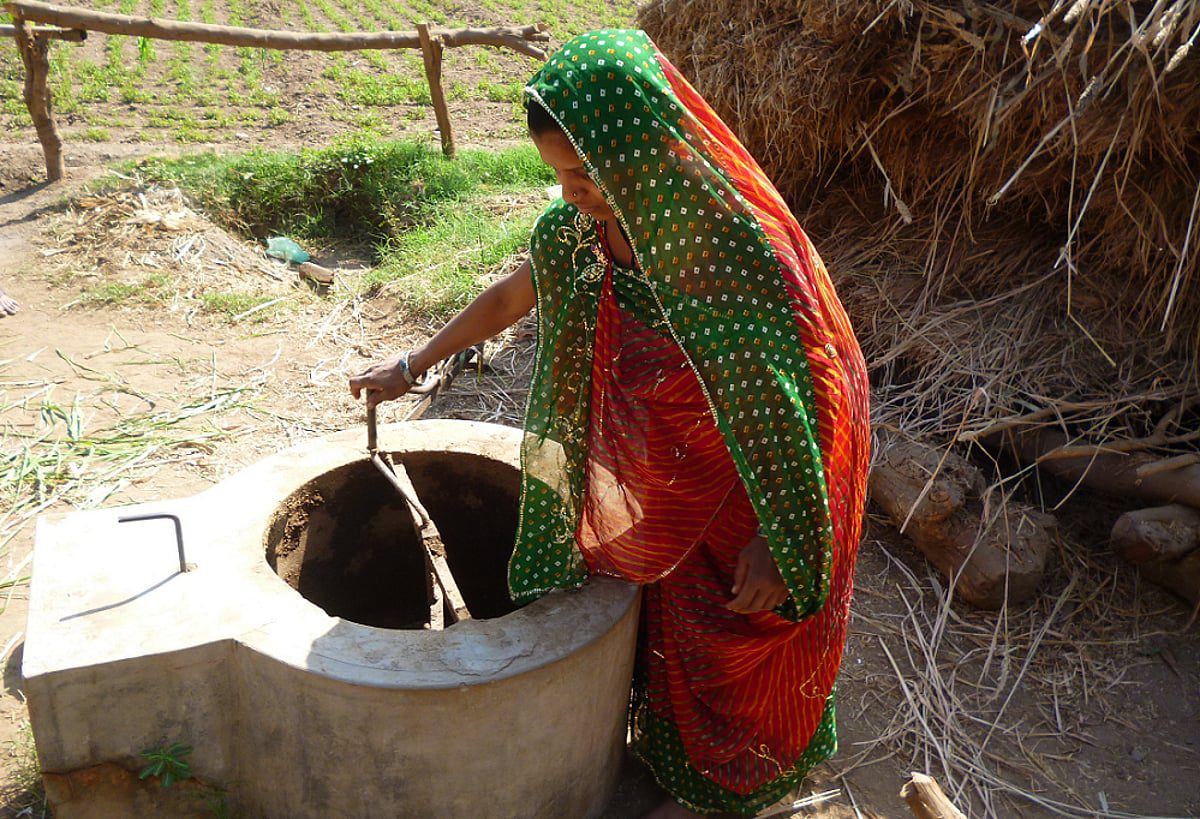
Indian Armed Forces are actively scaling biogas, solar and wind to cut Liquefied Petroleum Gas (LPG) and diesel dependence. Key numbers:
- Army consumes ~1,56,000 kg of LPG every day plus another 30,000 kg of biogas-equivalent cooking fuel.
- A single jawan’s cooking ration is fixed at 125-135 g of LPG per day.
- NTPC + Army commissioned a solar-hydrogen microgrid at Chushul (Ladakh) in October 2024 to feed off-grid forward bases.
- Administrative convoy runs may be capped at 400 km so longer hauls ride the railways — slashing diesel burn.
The trigger: the ongoing West Asia energy shock has disrupted LPG shipping through the Strait of Hormuz, forcing a rapid structural rethink.
Constitutional Framework
- Art 48A (DPSP): State shall protect and improve the environment.
- Art 51 (DPSP): Promotion of international peace and security.
- Art 355: Duty of Union to protect States against external aggression.
- National Solar Mission 2010 — 500 GW non-fossil by 2030.
- National Green Hydrogen Mission 2023 — green H2 for strategic sectors.
- Defence Acquisition Procedure 2020 — sustainability clauses for defence procurement.
- Energy Conservation (Amendment) Act 2022 — carbon market + mandatory use of non-fossil sources.
CLAT 2027 Angle
Art 48A is a non-justiciable DPSP — standing alone. But read with Art 21 (right to life) via the M. C. Mehta line of cases, environmental protection becomes an enforceable fundamental right. Note also the 2019 Supreme Court red-line: defence activities are not automatically exempt from environment laws. Expect a passage testing whether military biogas stations need EIA clearance, or whether operational secrecy trumps Art 48A.
Key Facts at a Glance
| Daily Army LPG burn | ~1,56,000 kg + 30,000 kg biogas equivalent |
| Per-jawan ration | 125-135 g LPG/day for cooking |
| Key pilot (Oct 2024) | NTPC-Army solar-H2 microgrid at Chushul, Ladakh |
| Convoy cap | 400 km (rail beyond that) |
| Solar target | 500 GW non-fossil by 2030 (National Solar Mission) |
| Governing doc | Defence Acquisition Procedure 2020 |
Mnemonic: FUEL
- F — Four-hundred-km convoy cap
- U — Uranium-free renewable path
- E — Electricity from solar & wind
- L — LPG to biogas swap (Chushul pilot)
Test Yourself: 10-Question Current Affairs Quiz
Attempt all 10 — balanced difficulty, all four options distributed.
Practice Quiz — 10 CLAT-Style Questions
Click an option to reveal the answer and explanation.
Final Takeaway
Revise this topic twice before CLAT 2027 — once for the factual trigger, once for the constitutional-law layering. If you cracked 7/10 on the quiz above, you are CLAT-ready on this story. Keep following CLAT Gurukul for daily decoder pieces like this one.