
CURRENT AFFAIRS | 12 APRIL 2026
CLAT GK + ENVIRONMENTAL LAW + CONSTITUTIONAL LAW
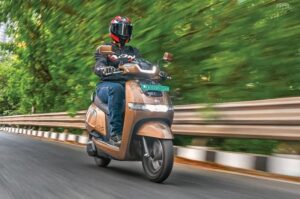
The Delhi government has released the Draft Electric Vehicle Policy 2026, inviting public suggestions till May 10, in what could mark the end of the road for internal combustion engine (ICE) vehicles in the national capital. The ambitious policy, earmarking Rs 3,954.25 crore, proposes a ban on registration of new ICE petrol two-wheelers from April 2028 and a halt on new CNG auto registrations from January 1, 2027. The previous EV policy, launched in 2020, expired on March 31 after multiple extensions.
Key incentives include 50% exemption on road tax and registration fees for strong hybrid vehicles priced up to Rs 30 lakh, and tiered purchase incentives for electric vehicles: Rs 10,000/kWh (Year 1) declining to Rs 6,600/kWh (Year 3) for electric 2-wheelers; Rs 50,000 to Rs 30,000 for electric 3-wheelers; and Rs 1,00,000 to Rs 50,000 for four-wheeler goods vehicles over three years. The policy also mandates gradual electrification of school buses — 10% by Year 2, 20% by Year 3, and 30% by March 2030.
Delhi Chief Minister Rekha Gupta called it a “significant initiative toward clean, accessible, sustainable transport.” A unique feature is the scrappage-linked incentive: buyers must scrap a Delhi-registered vehicle (3/4 years or older) paired with Direct Benefit Transfer (DBT), and only the owner of the scrapped vehicle qualifies for the new EV purchase incentive.
Constitutional & Environmental Legal Framework
- Article 48A (DPSP): The State shall endeavour to protect and improve the environment and to safeguard the forests and wild life of the country
- Article 51A(g) (Fundamental Duty): To protect and improve the natural environment including forests, lakes, rivers and wild life, and to have compassion for living creatures
- Article 21 — Right to Clean Air: Supreme Court has interpreted right to clean air as part of Right to Life (M.C. Mehta v. Union of India; Subhash Kumar v. State of Bihar)
- National Electric Mobility Mission Plan (NEMMP) 2020: Central government’s roadmap for faster adoption of EVs
- Paris Agreement (2015): India’s commitments to reduce carbon intensity by 45% by 2030 and achieve net-zero by 2070
- FAME II Scheme: Faster Adoption and Manufacturing of Electric Vehicles — central incentive scheme
- Vehicle Scrappage Policy (2021): National framework for recycling old, polluting vehicles
CLAT Angle: Why This Matters for CLAT 2027
- GK Section: Specific policy details — ban dates, incentive amounts, budget allocation — are highly testable facts
- Legal Reasoning: Can a state ban ICE vehicles? Does it infringe on Article 19(1)(g) right to trade? Are environmental restrictions “reasonable restrictions”?
- Constitutional Analysis: The interplay between DPSPs (Art 48A), Fundamental Duties (Art 51A(g)), and Fundamental Rights (Art 21) in environmental governance
- Policy Analysis: CLAT passages may present the EV policy and ask students to evaluate government justification, effectiveness, and constitutional validity
- Landmark Cases: M.C. Mehta v. UOI (CNG mandate in Delhi), Vellore Citizens Welfare Forum (precautionary principle), Indian Council for Enviro-Legal Action (polluter pays)
Key Facts at a Glance
| Policy | Delhi Draft EV Policy 2026 |
| Total Budget | Rs 3,954.25 crore |
| ICE 2-Wheeler Ban | From April 2028 |
| CNG Auto Ban | From January 1, 2027 |
| Hybrid Vehicle Tax Exemption | 50% (up to Rs 30 lakh price) |
| E-2W Incentive (Year 1) | Rs 10,000/kWh |
| Public Feedback Deadline | May 10, 2026 |
| Previous Policy | 2020, expired March 31, 2026 |
Mnemonic: “DELHI EV” for Key Points
- D — Draft policy released, public feedback till May 10
- E — Electric 2-wheelers only from April 2028
- L — Lakh (Rs 30 lakh cap for hybrid tax exemption)
- H — Hybrid vehicles get 50% road tax exemption
- I — Incentives: Rs 10,000/kWh for e-2W (Year 1)
- E — Environment: Art 48A + Art 51A(g) + Art 21
- V — Vehicle scrappage linked to DBT for new EV
Practice Quiz — 10 CLAT-Style Questions
Click an option to reveal the answer and explanation.