
CURRENT AFFAIRS | 4 APRIL 2026
CLAT GK + CONSTITUTIONAL LAW & PERSONAL LAW
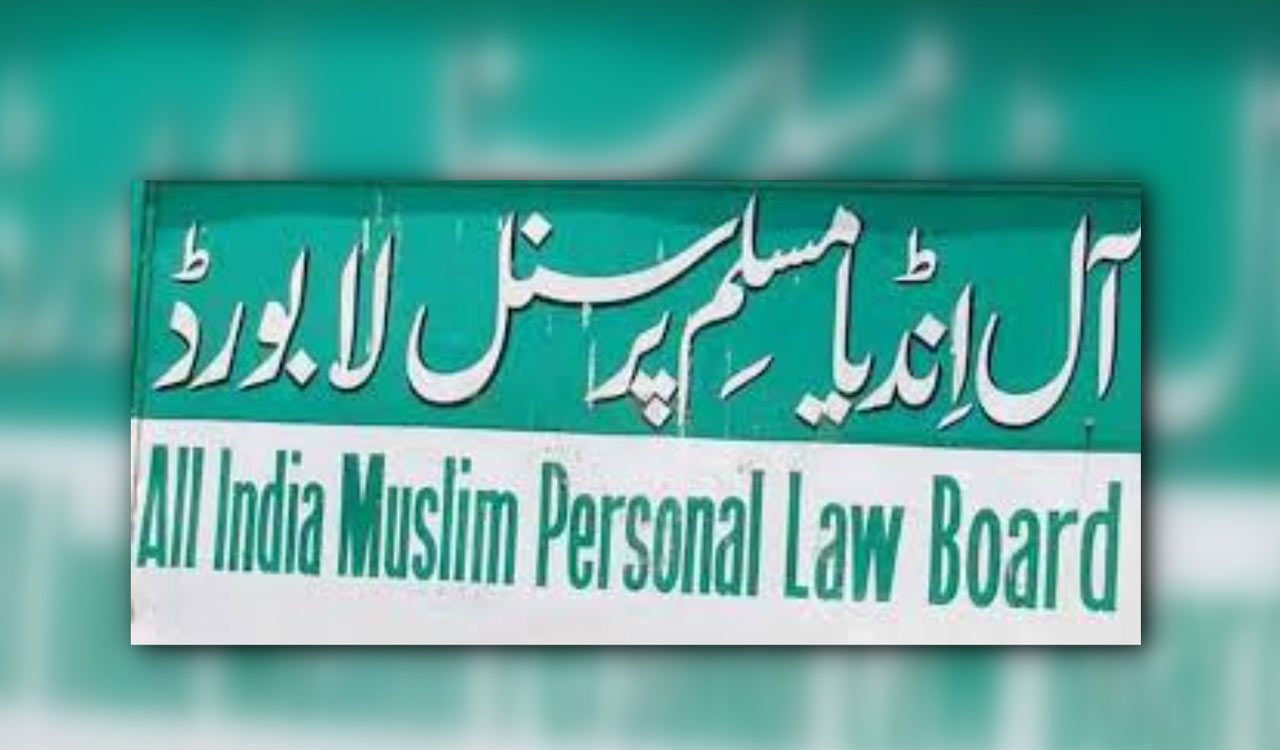
The All India Muslim Personal Law Board (AIMPLB) has announced that it will challenge Gujarat’s Uniform Civil Code (UCC) in the High Court, calling the legislation “unconstitutional” and an infringement on fundamental rights. Gujarat became the second state after Uttarakhand to enact a UCC, establishing a common legal framework for marriage, divorce, succession, and live-in relationships applicable to all citizens irrespective of religion.
The AIMPLB contends that the Gujarat UCC imposes majoritarian social and cultural norms upon minority communities and directly infringes upon fundamental rights guaranteed under Articles 25 and 26 of the Constitution. The Board has also criticised the “opacity surrounding the consultative process” undertaken by the Gujarat government.
Article 44 (DPSP): The State shall endeavour to secure for citizens a uniform civil code throughout India
Article 25: Freedom of conscience and right to freely profess, practise and propagate religion
Article 26: Freedom to manage religious affairs and establish religious institutions
Article 14: Equality before law and equal protection of laws
Article 13: Laws inconsistent with or in derogation of fundamental rights shall be void
Key Tension: DPSPs (Part IV) are non-justiciable but fundamental in governance, while Fundamental Rights (Part III) are enforceable. The UCC debate centres on whether Article 44 can override Articles 25-26.
This news is a CLAT goldmine because it involves the classic constitutional tension between DPSPs and Fundamental Rights. Expect passage-based questions on:
– Whether UCC violates religious freedom under Articles 25-26
– The enforceability of DPSPs vs Fundamental Rights
– Whether personal law falls under “religious practice” or “secular activity”
– The State’s power to legislate on matters in the Concurrent List (Entry 5 — marriage, divorce, succession)
– Judicial approach from Shah Bano to Shayara Bano on personal law reform
| State | Gujarat (2nd state after Uttarakhand) |
| Challenger | AIMPLB (All India Muslim Personal Law Board) |
| Forum | Gujarat High Court (also Jamiat Ulama plans Supreme Court challenge) |
| Key Articles | Art 44 (UCC DPSP), Art 25-26 (Religious Freedom), Art 14 (Equality) |
| UCC Covers | Marriage, Divorce, Succession, Live-in Relationships |
| Core Argument | Fundamental Rights (Part III) vs DPSP (Part IV) — justiciability debate |
Landmark Cases on UCC and Personal Law
1. Shah Bano Case (1985): The Supreme Court held that a Muslim divorced woman is entitled to maintenance under Section 125 CrPC. The Court observed that Article 44 remains a “dead letter” and urged the government to implement UCC. This case sparked massive political controversy and led to the Muslim Women (Protection of Rights on Divorce) Act, 1986.
2. Sarla Mudgal v. Union of India (1995): The Court strongly recommended implementation of UCC under Article 44, particularly in the context of preventing bigamy through religious conversion. Justice Kuldip Singh observed that successive governments had been “wholly remiss” in implementing Article 44.
3. Shayara Bano v. Union of India (2017): The Supreme Court by 3:2 majority struck down instant triple talaq (talaq-e-biddat) as unconstitutional, holding it violative of Article 14. This was a landmark step toward reforming personal law practices.
4. John Vallamattom v. Union of India (2003): The Court struck down Section 118 of the Indian Succession Act as discriminatory against Christians, and once again stressed the need for UCC.
S — Shah Bano (1985) — Muslim woman’s maintenance rights
S — Sarla Mudgal (1995) — Bigamy through conversion
J — John Vallamattom (2003) — Christian succession rights
S — Shayara Bano (2017) — Triple Talaq struck down
Remember: “SSJS — Supreme Steps toward Justice and Secularism”
The DPSP vs Fundamental Rights Debate
The UCC challenge reignites the constitutional debate on whether DPSPs can override Fundamental Rights. In Minerva Mills v. Union of India (1980), the Supreme Court held that there must be a balance between Fundamental Rights and DPSPs — neither can be given absolute primacy over the other. This “harmonious construction” doctrine will be central to any judicial review of state-level UCC laws.
Practice Quiz
Practice Quiz — 10 CLAT-Style Questions
Click an option to reveal the answer and explanation.