
CURRENT AFFAIRS | 16 APRIL 2026
INTERNATIONAL LAW | UNCLOS | INDIA-JAPAN STRATEGIC TIES
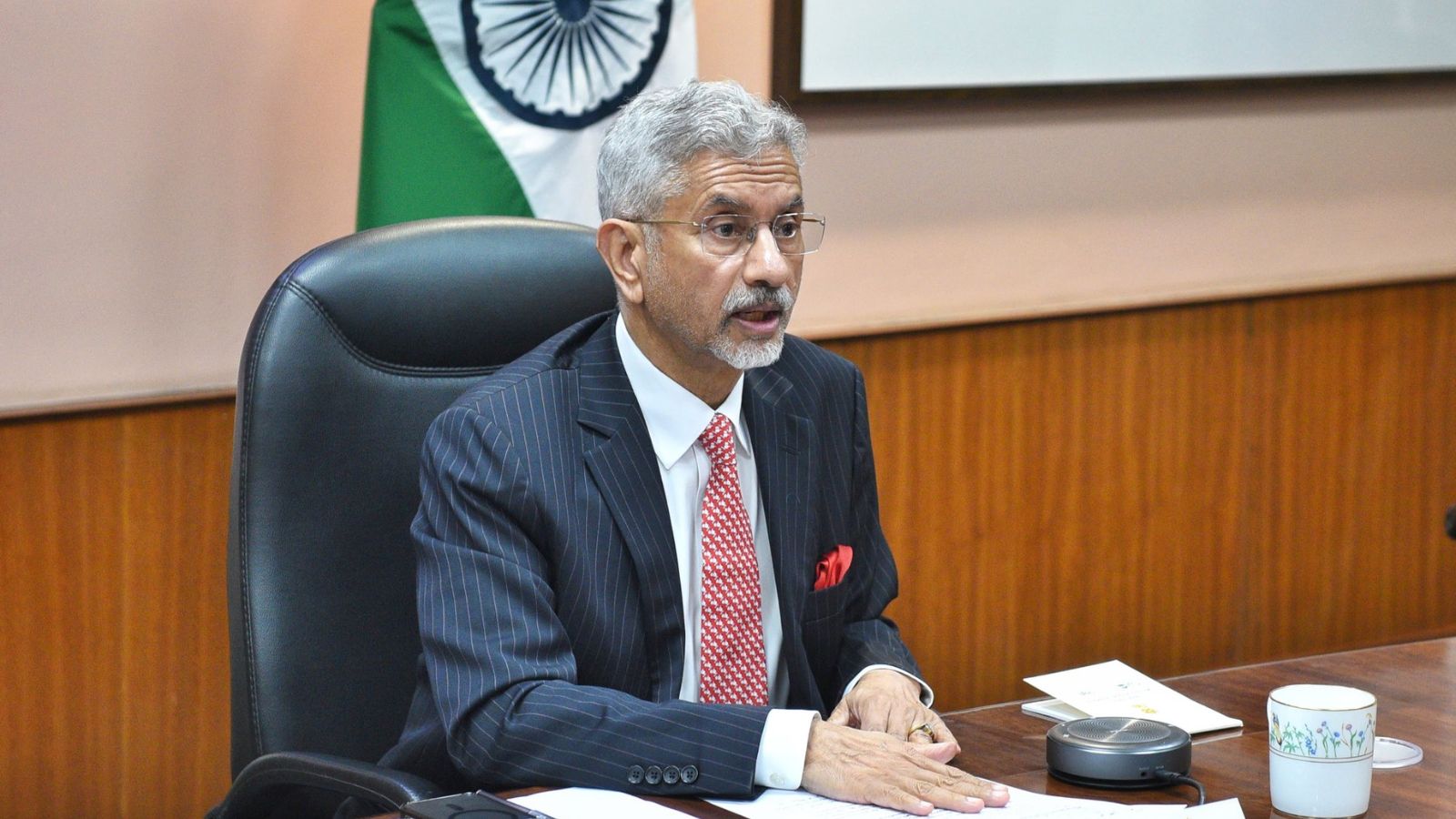
At an AZEC-Plus online meeting on 15 April 2026 convened by Japan, India’s External Affairs Minister S. Jaishankar underlined the country’s strong commitment to “safe and unimpeded” maritime transport, even as attacks in the Red Sea, tensions at the Strait of Hormuz and contested zones in the South China Sea continue to disrupt global energy flows. The statement follows the 7th Japan-India Maritime Affairs Dialogue held in Tokyo on 2 April 2026, and signals the deepening of the India-Japan Special Strategic and Global Partnership first framed in 2014.
Constitutional & Legal Framework
Article 51, Indian Constitution (DPSP): Directs the State to promote international peace and security, maintain just and honourable relations, foster respect for international law and treaty obligations, and encourage settlement of disputes by arbitration.
UNCLOS 1982: Article 87 — freedoms of the high seas (navigation, overflight, cables). Articles 17-19 — innocent passage through territorial sea. Articles 37-45 — transit passage through international straits. Article 57 — 200 nm Exclusive Economic Zone.
Indian statute: The Territorial Waters, Continental Shelf, Exclusive Economic Zone and Other Maritime Zones Act, 1976 is India’s UNCLOS-implementing law, defining 12 nm territorial waters, 24 nm contiguous zone and 200 nm EEZ.
CLAT Angle — Why This Matters
This story is a goldmine for Legal Reasoning passages on international law and Current Affairs GK. CLAT has repeatedly tested UNCLOS concepts: right of innocent passage, freedom of navigation, and the distinction between territorial waters, EEZ and high seas.
Link it with the South China Sea Arbitration (2016), India’s 2023 stand at the UN on Red Sea attacks, and the Article 51 DPSP on international peace — these form ready-made GK comprehension sets.
Key Facts at a Glance
| Concept | Detail |
|---|---|
| UNCLOS Article 87 | Freedom of navigation and overflight on the high seas |
| Territorial sea | Up to 12 nautical miles (Art 3 UNCLOS) |
| EEZ | Up to 200 nm from baseline (Art 57) |
| India-Japan SSGP | Established 2014, elevated in 2022, 2+2 framework since 2019 |
| Key chokepoints | Strait of Hormuz (Iran-Oman), Bab-el-Mandeb (Red Sea), Malacca, South China Sea |
| Indian law | Maritime Zones Act 1976, Merchant Shipping Act 1958 |
Mnemonic — MARINE
Maritime routes safeguarded · Article 87 UNCLOS (high-seas freedoms) · Red Sea and Hormuz chokepoints · Innocent passage Art 17-19 · Navigation freedom core principle · Energy flows the ultimate stake.
Test Yourself — 10 Questions
Attempt this quick quiz to cement UNCLOS provisions, India-Japan ties and DPSP Art 51.
Practice Quiz — 10 CLAT-Style Questions
Click an option to reveal the answer and explanation.