

CURRENT AFFAIRS | 9 APRIL 2026
CLAT GK + ENVIRONMENT & INTERNATIONAL LAW
India No Longer Inclined to Host COP33 in 2028
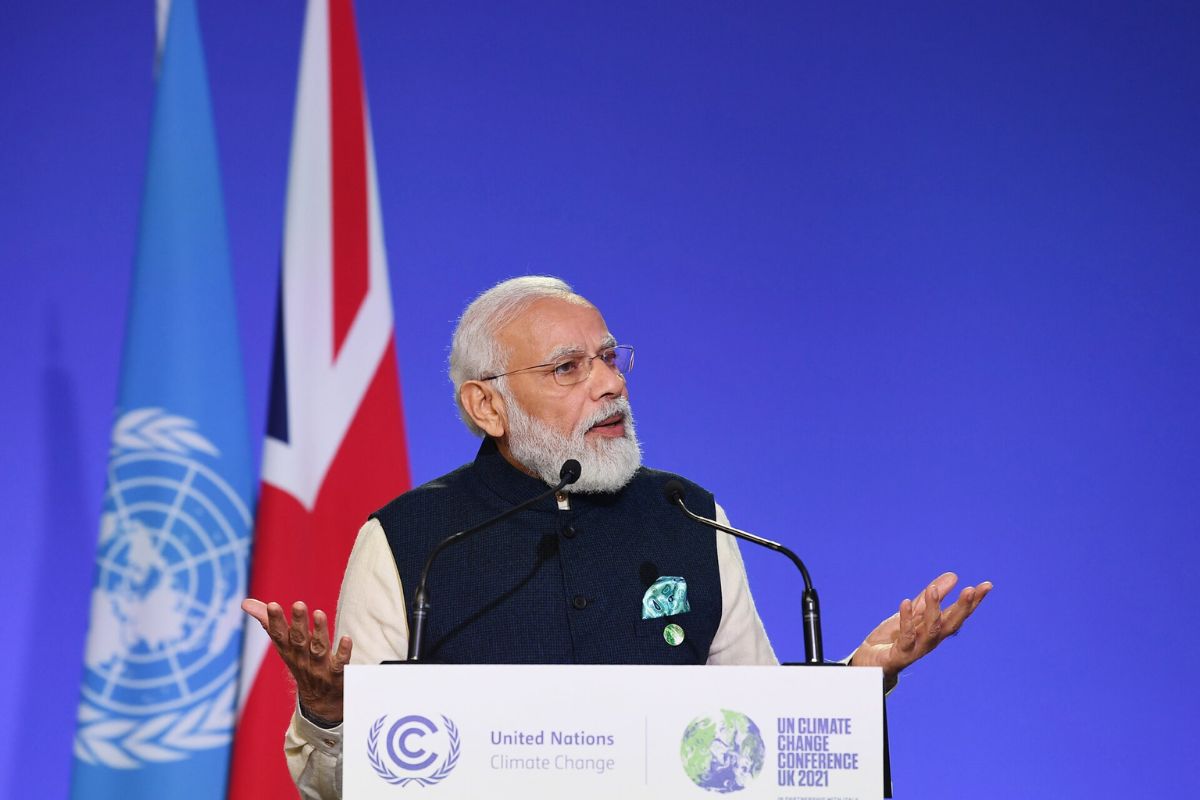
In a significant shift in India’s climate diplomacy, India is learnt to be no longer inclined to host the COP33 climate summit scheduled for 2028. While India had not submitted a formal bid, Prime Minister Modi had made the offer to host COP33 in December 2023 during COP28 in Dubai, signalling India’s willingness to take a leadership role in global climate negotiations.
Sources indicate a rethinking within government circles has led to this change, though the specific reasons have not been officially disclosed.
What is COP? Understanding the Climate Summit Framework
The Conference of Parties (COP) is the annual meeting of all signatories to the United Nations Framework Convention on Climate Change (UNFCCC), which was adopted in 1992 at the Earth Summit in Rio de Janeiro and entered into force in 1994. The COP also serves as the meeting of signatories to two landmark agreements:
- Kyoto Protocol (1997) — Set binding emission reduction targets for developed nations; entered into force in 2005
- Paris Agreement (2015) — Adopted at COP21; aims to limit global warming to well below 2 degrees Celsius
Key COP Milestones
- COP21 (Paris, 2015) — Paris Agreement adopted; NDC framework established
- COP26 (Glasgow, 2021) — Glasgow Climate Pact; coal phase-down language
- COP27 (Sharm el-Sheikh, 2022) — Landmark Loss and Damage Fund established
- COP28 (Dubai, 2023) — First Global Stocktake; PM Modi’s offer to host COP33
India’s Climate Commitments and CBDR Principle
India’s climate policy is guided by the principle of Common But Differentiated Responsibilities (CBDR), which recognises that while all states share the obligation to address climate change, developed nations bear greater responsibility due to their historical contributions to greenhouse gas emissions. India’s Nationally Determined Contributions (NDCs) under the Paris Agreement include targets for renewable energy capacity, emission intensity reduction, and carbon sink creation.
⚖️ Constitutional and Legal Framework
- Article 48A (DPSP) — State shall protect and improve the environment (42nd Amendment, 1976)
- Article 51A(g) — Fundamental duty to protect natural environment
- UNFCCC (1992/1994) — Framework convention; COP is its supreme decision-making body
- Paris Agreement (2015) — Adopted at COP21; NDC framework
- Kyoto Protocol (1997) — Binding targets for developed nations
- CBDR Principle — Common But Differentiated Responsibilities
🎯 Why This Matters for CLAT 2027
Environmental law and international agreements are high-frequency CLAT topics. Expect passage-based questions testing: (1) Difference between UNFCCC, Kyoto Protocol, and Paris Agreement, (2) CBDR principle and its application, (3) Constitutional provisions on environment (Art 48A and Art 51A(g)), (4) COP history and key outcomes.
📋 Key Facts at a Glance
| COP33 Host | India no longer inclined (2028) |
| PM Modi Offer | Made at COP28, Dubai (Dec 2023) |
| UNFCCC | Adopted 1992, in force 1994 |
| Paris Agreement | COP21 (2015); below 2 degrees C |
| Kyoto Protocol | Adopted 1997, in force 2005 |
🧠 Mnemonic to Remember
“COP CLIMATE” — CBDR principle, Offer by PM Modi at COP28, Paris Agreement (COP21), Constitution Art 48A, Loss and Damage Fund (COP27), India steps back, Meeting of UNFCCC parties, Article 51A(g), Treaty (Kyoto 1997), Entered force 1994.
Practice Quiz — 10 CLAT-Style Questions
Click an option to reveal the answer and explanation.