
CURRENT AFFAIRS | 1 APRIL 2026
CLAT GK + INTERNATIONAL TRADE LAW & ENERGY SECURITY
• International economic sanctions — CAATSA & its extraterritorial application
• SWIFT banking system and financial sanctions
• UNCLOS — freedom of navigation for oil tankers
• India’s energy security and foreign policy balancing act
• Foreign Trade (Development & Regulation) Act 1992
What Happened: Iran Oil Returns to India
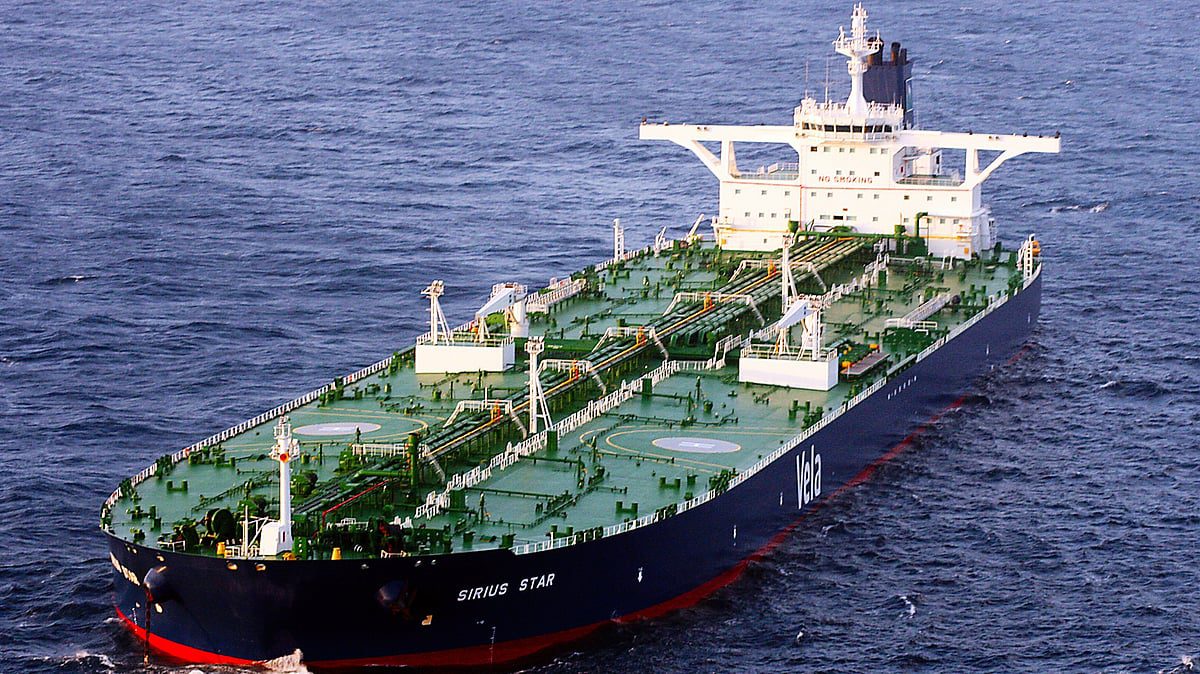
An oil tanker named Ping Shun carrying approximately 600,000 barrels of Iranian crude is heading towards India’s Vadinar port in Gujarat, marking the first potential delivery of Tehran’s crude to India since May 2019. The tanker, which loaded crude from Kharg Island in early March, is expected to arrive on April 4, 2026.
This development follows the US decision to suspend sanctions on tankers carrying Iranian oil for a 30-day window (expiring April 19), aimed at easing global oil prices amid the ongoing West Asia conflict.
Background: Why India Stopped Importing Iranian Oil
- May 2019: India stopped importing Iranian crude after the US ended sanctions waivers for buyers
- Pre-2019: Iran was among India’s major crude suppliers, accounting for up to 11.5% of total imports at its peak
- 2018 imports: ~518,000 barrels per day of Iranian oil
- Jan-May 2019: Declined to ~268,000 barrels per day before completely ceasing
- Vadinar port houses a refinery operated by Nayara Energy, backed by Russian oil major Rosneft
Legal Framework: Sanctions & International Trade Law
1. CAATSA (Countering America’s Adversaries Through Sanctions Act)
• US federal law imposing sanctions on Iran, Russia, and North Korea
• Has extraterritorial application — affects third countries trading with sanctioned nations
• India sought S-400 missile waiver under CAATSA for its defence deal with Russia
• The 30-day waiver for Iranian oil is issued under executive authority
2. SWIFT Sanctions
• SWIFT (Society for Worldwide Interbank Financial Telecommunication) — global financial messaging system
• Iran was disconnected from SWIFT, making international payments extremely difficult
• India previously used rupee-based payment mechanisms to circumvent SWIFT restrictions
• Payment uncertainties remain a key challenge for resuming oil trade
3. UNCLOS (UN Convention on the Law of the Sea)
• Governs freedom of navigation — critical for oil tanker movement through the Strait of Hormuz
• Article 87: Freedom of the high seas includes freedom of navigation
• Article 17: Right of innocent passage through territorial waters
• India negotiated with Iran to allow passage of Indian vessels through the Strait
4. WTO Rules on Trade Sanctions
• MFN principle (Article I GATT) — unilateral sanctions may violate non-discrimination
• National security exception (Article XXI GATT) — allows trade restrictions for security reasons
• Debate: Are US sanctions on Iran justified under WTO security exceptions?
• Extraterritorial sanctions: Can one country impose trade restrictions that bind other sovereign nations? Key international law debate
• India’s balancing act: Maintaining energy security while navigating US sanctions — tests India’s strategic autonomy
• Foreign Trade Act 1992: Provides framework for India’s foreign trade regulation and policy
• Energy security as national interest: India imports ~85% of its crude oil needs — diversification of sources is critical
• CLAT passage-based questions: Expect questions on sanctions, sovereignty, and trade law principles
| Tanker Name | Ping Shun |
| Cargo | ~600,000 barrels of Iranian crude |
| Destination | Vadinar, Gujarat |
| Expected Arrival | April 4, 2026 |
| Last Indian import from Iran | May 2019 |
| Iran’s peak share in India imports | 11.5% |
| US sanctions waiver period | 30 days (expires April 19) |
| Iranian oil at sea | ~95 million barrels |
C — CAATSA (US sanctions law with extraterritorial reach)
R — Rupee payment mechanism (India’s workaround for SWIFT block)
U — UNCLOS (freedom of navigation for tankers)
D — Diversification (India’s energy security strategy)
E — Extraterritorial sanctions (key international law issue)
Source: Business Standard, National Herald India, Reuters — March/April 2026
Practice Quiz
Test your understanding with these 10 MCQs:
Practice Quiz — 10 CLAT-Style Questions
Click an option to reveal the answer and explanation.