CURRENT AFFAIRS | 4 APRIL 2026
CLAT GK + INTERNATIONAL LAW & USE OF FORCE
What Happened?
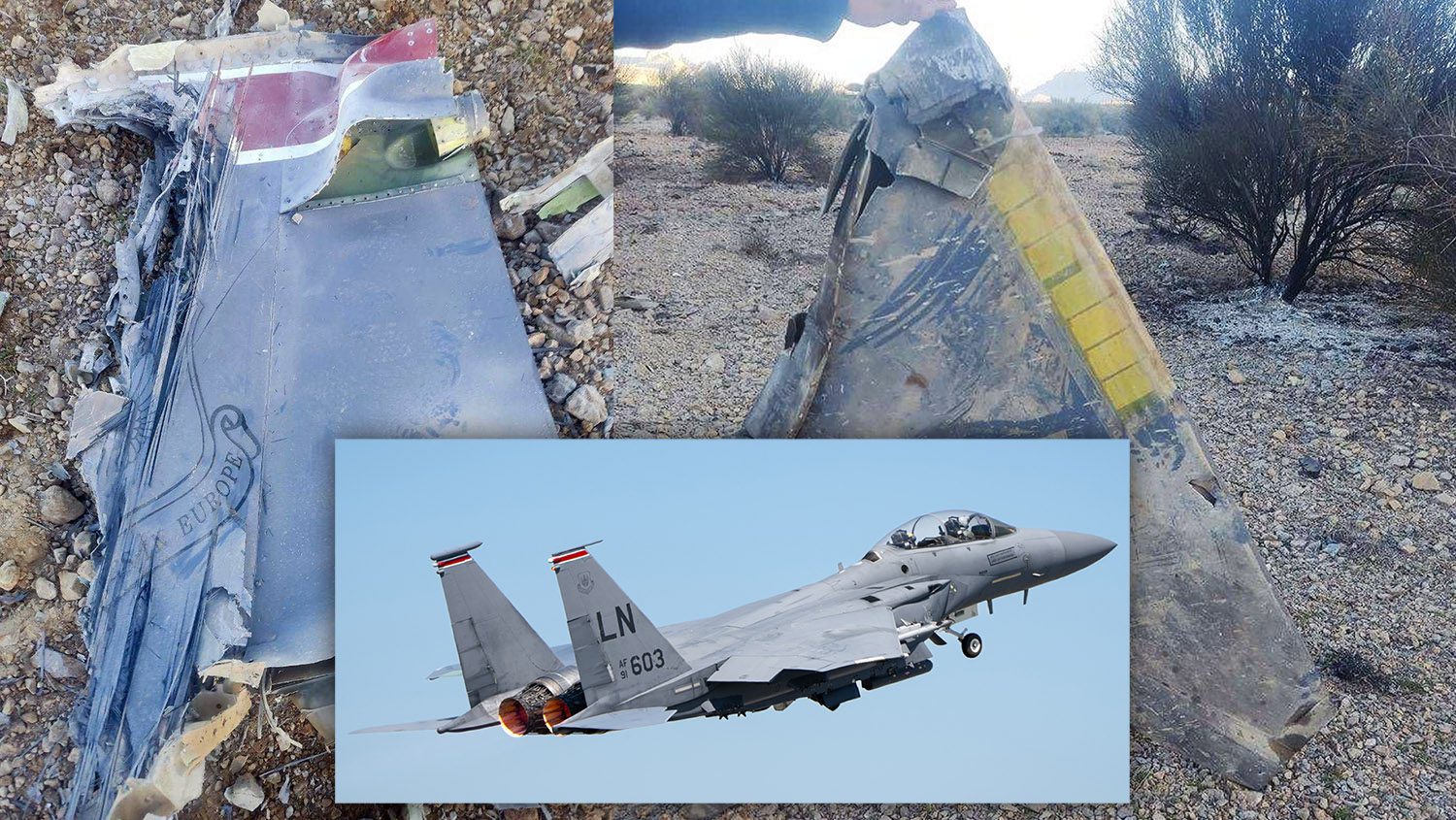
On April 3, 2026, Iran shot down a US F-15E Strike Eagle fighter jet — marking the first time a US aircraft was downed by enemy fire since the beginning of the Iran conflict. Of the two crew members who ejected, one was rescued alive on Iranian territory by US special forces, while a search and rescue operation continued for the second crew member.
In related incidents, Iran also claimed to have struck a US A-10 attack aircraft and a US Blackhawk helicopter participating in the rescue mission. The Blackhawk was confirmed hit with crew injuries but remained flyable.
The incident came despite repeated claims by US Defence Secretary Pete Hegseth that the US had achieved dominance of Iranian skies, raising serious questions about the escalation of hostilities and the application of international humanitarian law.
Constitutional & International Law Framework
UN Charter Article 2(4): Prohibits the threat or use of force against the territorial integrity or political independence of any state.
Article 51 — Self-Defence: Preserves the inherent right of individual or collective self-defence if an armed attack occurs against a UN member state.
Geneva Conventions (1949): Govern the treatment of wounded soldiers, prisoners of war (Third Convention), and protection of civilians (Fourth Convention) during armed conflict.
Jus ad Bellum vs Jus in Bello: The right to go to war (ad bellum) is distinct from the rules governing conduct during war (in bello), both of which are engaged in the Iran conflict.
CLAT Exam Angle
This topic is critical for CLAT 2027 from multiple perspectives:
- International Law: Questions on UN Charter provisions (Art 2(4), Art 51), principles of self-defence, and proportionality in armed conflict
- ICJ Precedents: Nicaragua v. United States (1986) — the ICJ held the US violated international law by supporting Contras and mining Nicaraguan harbours, breaching the principle of non-intervention
- Humanitarian Law: Geneva Conventions, treatment of POWs, distinction between combatants and civilians
- GK/Current Affairs: Geopolitical dynamics, impact on global oil supply and India-bound energy routes
Key Facts at a Glance
| Aircraft Downed | US F-15E Strike Eagle |
| Date | April 3, 2026 |
| Crew Status | 1 rescued, 1 missing (SAR underway) |
| Significance | First US jet downed by enemy fire in this conflict |
| UN Charter Art 2(4) | Prohibition on use of force |
| UN Charter Art 51 | Inherent right of self-defence |
| Key ICJ Case | Nicaragua v. USA (1986) |
| Relevant Conventions | Geneva Conventions (1949), Hague Conventions |
Memory Aid for CLAT
Remember “SAFE” for International Use of Force Law:
- S — Self-Defence (Article 51)
- A — Article 2(4) prohibition
- F — Force must be proportionate (IHL principle)
- E — Exceptions only via Security Council (Chapter VII)
Nicaragua v. USA mnemonic — “MINES”: Mining harbours, Intervention prohibited, Non-use of force, Erga omnes obligations, Sovereignty respected
Practice Quiz
Practice Quiz — 10 CLAT-Style Questions
Click an option to reveal the answer and explanation.