
CURRENT AFFAIRS | 17 APRIL 2026
CLAT GK + CONSTITUTIONAL LAW & RELEVANT AREA
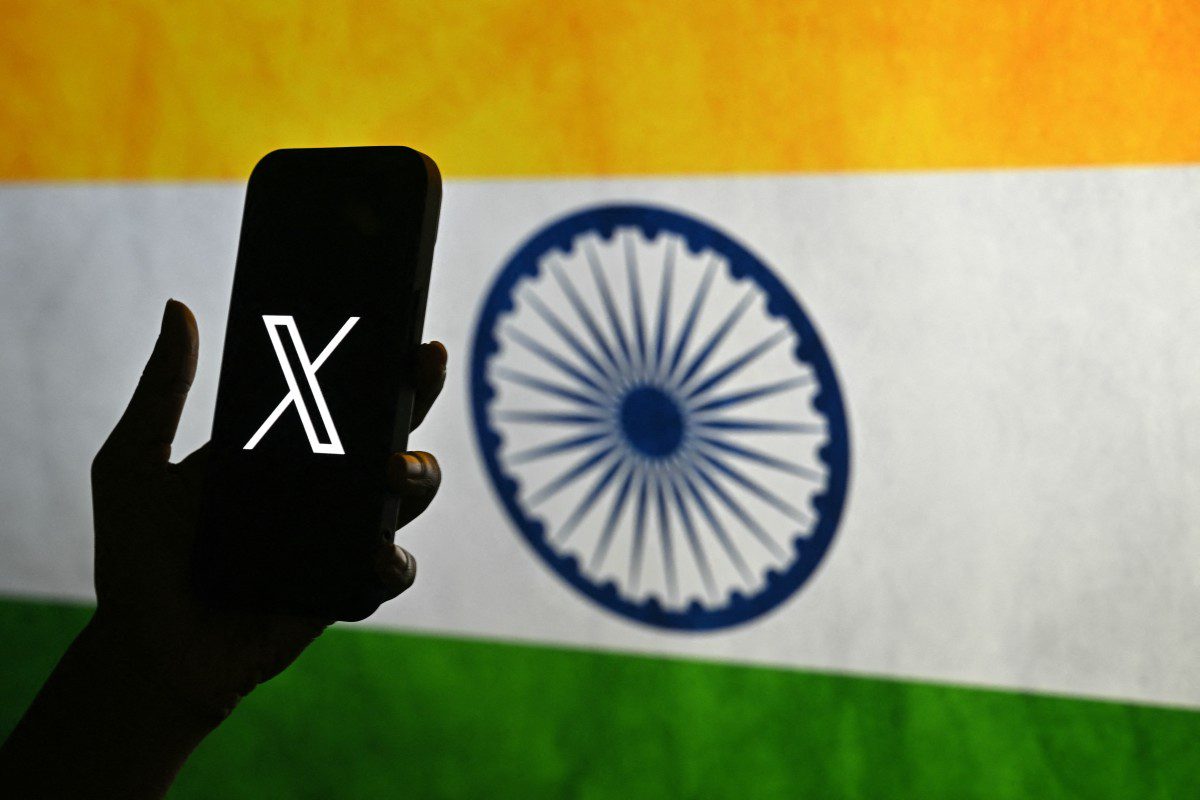
The Centre’s proposed IT Rules amendments 2026 — open for public consultation until 29 April — seek to extend a “code of ethics” previously applied only to large streaming services and broadcasters to individual content creators, including independent journalists who publish news and current affairs on social media. Six major press bodies, Amnesty International and the Committee to Protect Journalists have flagged widespread pre-censorship and self-censorship fears. The Government says the change is needed to combat misinformation and deepfakes.
The core constitutional question: does a regime that pre-empts “misleading or problematic” user content breach Article 19(1)(a) (freedom of speech and expression), and does it survive the eight reasonable restrictions under Article 19(2)? CLAT 2027 candidates should expect a passage-based question on prior restraint, the Shreya Singhal (2015) safeguards, and the internet-shutdowns doctrine of Anuradha Bhasin (2020).
Constitutional & Legal Framework
Article 19(1)(a) guarantees freedom of speech and expression. Article 19(2) permits “reasonable restrictions” only on eight listed grounds: sovereignty and integrity of India, security of the State, friendly relations with foreign States, public order, decency or morality, contempt of court, defamation, and incitement to an offence.
IT Act 2000 Section 69A empowers the Government to block public access to information, upheld (and “read down”) by the Supreme Court in Shreya Singhal v UoI (2015) — but only because it includes procedural safeguards (written reasons, review committee, specific grounds mapped to Article 19(2)). Strip those safeguards, and Section 69A itself would be vulnerable.
IT Act Section 79(3)(b) removes “safe harbour” immunity from intermediaries on “actual knowledge” of unlawful content — the fulcrum of intermediary liability debates.
Pre-censorship precedents: Brij Bhushan v State of Delhi (1950) — pre-censorship of the weekly Organiser struck down. Romesh Thappar v State of Madras (1950) — ban on Cross Roads struck down. Sakal Papers (1962) — indirect burdens on circulation also unconstitutional. Anuradha Bhasin v UoI (2020) — internet-shutdown orders must be reasoned, proportionate and reviewed.
Why This Matters for CLAT 2027
The Supreme Court has consistently treated prior restraint on speech as more suspect than post-publication penalties. Pre-censorship tilts the incentive of platforms and creators toward over-removal — a documented “chilling effect” on legitimate speech.
- Section 69A survived Shreya Singhal because it was “read down” with procedural safeguards. Any rule that dilutes those safeguards invites fresh constitutional challenge.
- V.G. Row (1952) gave us the classic test of “reasonableness” — procedural + substantive. A vague, over-broad rule fails V.G. Row.
- Intermediary “safe harbour” under Section 79 is conditional, not absolute. The 2021 Rules (and now the 2026 amendments) tighten those conditions.
- Trap: Sections 66A (struck down) and 69A (upheld) are confused by many candidates. Know the difference.
Key Facts at a Glance
| Provision / Case | Import |
|---|---|
| Article 19(1)(a) & 19(2) | Free speech + 8 reasonable restrictions |
| IT Act Sec 69A | Blocking power; reasoned orders; read down in Shreya Singhal |
| IT Act Sec 79 | Intermediary safe harbour (conditional) |
| Shreya Singhal (2015) | Sec 66A struck down; Sec 69A upheld with safeguards |
| Brij Bhushan (1950) | Pre-censorship of press prima facie unconstitutional |
| Anuradha Bhasin (2020) | Internet shutdowns must be reasoned & proportionate |
| V.G. Row (1952) | Classic reasonableness test under Art 19(2) |
Mnemonic: BLOCK
Brij Bhushan baseline · Limited Article 19(2) grounds · Online speech · Creators burdened · Knowledge (actual) for safe harbour loss
Practice Quiz — 10 CLAT-Style Questions
Click an option to reveal the answer and explanation.
The public-consultation window for the IT Amendment Rules 2026 closes on 29 April — a rare opportunity to practise reading subordinate legislation against constitutional text. Attempt the quiz above before you dive in.