

CURRENT AFFAIRS | 12 APRIL 2026
CLAT GK + INTERNATIONAL LAW + CURRENT AFFAIRS
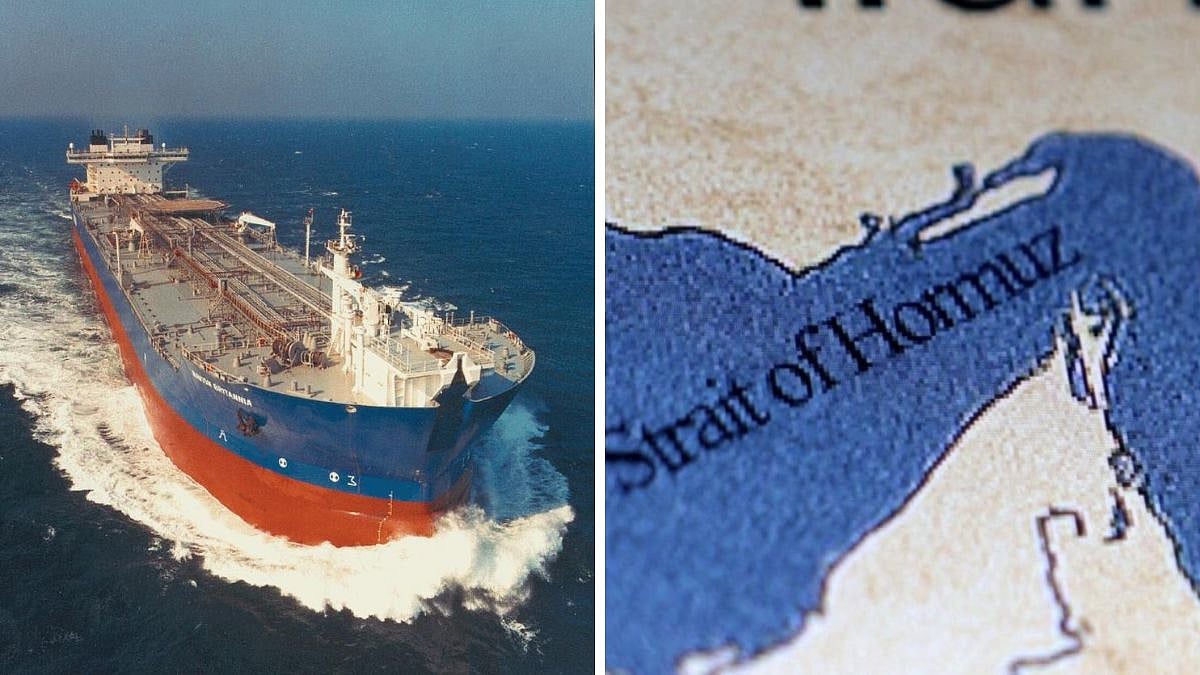
In a significant development for India’s energy security, the LPG tanker Jag Vikram became the first India-flagged vessel to cross the Strait of Hormuz following the announcement of a temporary two-week ceasefire between the United States and Iran. The vessel, a mid-sized gas carrier owned by Mumbai-based Great Eastern Shipping Company, crossed the vital waterway between Friday night and Saturday morning carrying approximately 20,000 tonnes of LPG with 24 seafarers onboard. It is expected to arrive at Mumbai on April 15.
The transit marks a major breakthrough as Jag Vikram is the ninth Indian ship to exit the Persian Gulf since early March. At the time, 15 India-flagged vessels remained in the Persian Gulf, including 9 crude oil tankers and 4 LPG tankers. Nearly 90% of India’s LPG imports are sourced from nations in the Gulf region, making the Strait of Hormuz — which handles about 20% of global oil and LNG shipments — critically important for India’s energy supply chain.
The situation had been complicated by reports that Iran was charging a “toll” from some vessels before allowing them to cross. However, the Indian government has been categorically denying any payment of toll. India maintains its long-held position under the United Nations Convention on the Law of the Sea (UNCLOS), which guarantees transit passage through international straits — though notably, neither Iran nor the US have ratified UNCLOS.
International Law & Legal Framework
- UNCLOS (1982): United Nations Convention on the Law of the Sea — the comprehensive legal framework governing all uses of the oceans
- Articles 37-44 (Part III, Section 2): Specifically deal with transit passage through straits used for international navigation
- Transit Passage (Art 38): The exercise of freedom of navigation and overflight solely for continuous and expeditious transit through a strait — cannot be suspended
- Innocent Passage vs Transit Passage: Transit passage is broader — it applies to straits connecting two areas of high seas/EEZ, cannot be suspended by the strait state
- India’s Position: India ratified UNCLOS in 1995 and maintains its rights under the convention
- Key Fact: Neither the US nor Iran have ratified UNCLOS, yet customary international law obligations still apply
CLAT Angle: Why This Matters for CLAT 2027
- GK Section: Strait of Hormuz geography, the US-Iran ceasefire context, India’s energy dependence on the Gulf — all high-probability questions
- Legal Reasoning: Principle-application on transit passage rights — can a strait state charge tolls? Can transit be suspended during conflict?
- International Law: UNCLOS is a frequently tested topic — know the difference between territorial sea, contiguous zone, EEZ, and high seas
- Critical Thinking: Questions may test whether UNCLOS obligations apply to non-ratifying states through customary international law
- India’s Energy Security: This connects to broader GK themes about India’s oil dependence, trade routes, and foreign policy
Key Facts at a Glance
| Vessel Name | Jag Vikram (LPG tanker) |
| Owner | Great Eastern Shipping Company, Mumbai |
| Cargo | ~20,000 tonnes of LPG, 24 seafarers |
| Strait of Hormuz | Handles ~20% of global oil & LNG |
| India-flagged vessels in Gulf | 15 (9 crude oil + 4 LPG + 2 others) |
| Ceasefire Between | US and Iran (two-week temporary) |
| UNCLOS Transit Passage | Articles 37-44 |
| India’s LPG Gulf Dependence | ~90% of LPG imports from Gulf nations |
Mnemonic: “JAG SAILS” for Key Points
- J — Jag Vikram, first Indian vessel post-ceasefire
- A — Articles 37-44 UNCLOS (transit passage)
- G — Great Eastern Shipping Company (owner)
- S — Strait of Hormuz (20% global oil & LNG)
- A — America (US) – Iran ceasefire (two weeks)
- I — India denies paying any toll to Iran
- L — LPG tanker carrying 20,000 tonnes
- S — Seafarers: 24 onboard, arriving Mumbai April 15
Practice Quiz — 10 CLAT-Style Questions
Click an option to reveal the answer and explanation.






