
CURRENT AFFAIRS | 25 APRIL 2026
CLAT GK + Constitutional Law & Reservation Jurisprudence
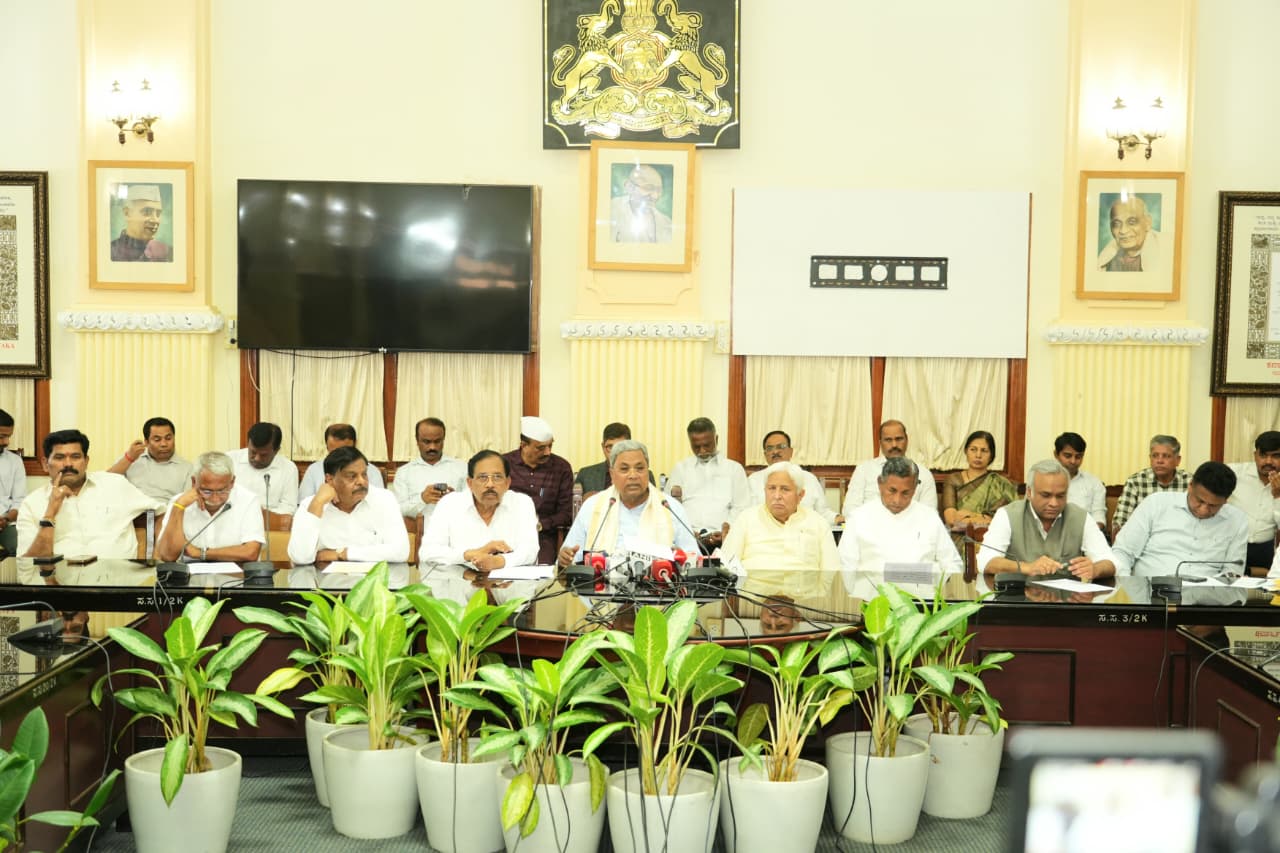
The Karnataka Cabinet, led by CM Siddaramaiah, on 24 April 2026 approved internal sub-classification of the 17% Scheduled Caste quota in the State — splitting it into 5.25% for SC ‘left’ castes, 5.25% for SC ‘right’ castes, 4.5% for 59 nomadic SC castes, and 2% for ‘others’. The decision is anchored in the Supreme Court’s landmark 2024 seven-judge Constitution Bench ruling in State of Punjab v. Davinder Singh, which overruled E.V. Chinnaiah v. State of A.P. (2004) and held that sub-classification within Scheduled Castes IS constitutionally permissible.
Constitutional / Legal Framework
- Article 341: Presidential notification of SC list for each State; only Parliament can amend.
- Article 15(4) and 16(4): Special provisions and reservation in public employment for backward classes.
- Article 46 (DPSP): State to promote educational and economic interests of SC/ST/weaker sections.
- State of Punjab v. Davinder Singh (2024, 7-judge): Sub-classification IS permissible — overrules Chinnaiah.
- E.V. Chinnaiah v. State of A.P. (2004, 5-judge): Earlier held SC list was a homogeneous class — now overruled.
- Indra Sawhney (1992, 9-judge): 50% reservation ceiling; creamy layer for OBCs.
- M Nagaraj (2006) + Jarnail Singh (2018): Creamy-layer test extended to SC/ST in promotions.
Why This Matters for CLAT 2027
Reservation jurisprudence is a perennial CLAT favourite, and Davinder Singh is the freshest Constitution Bench ruling to overrule a five-judge precedent — exactly the kind of doctrinal pivot examiners use to test reading skill on judicial discipline. Expect a passage anchored on Articles 341 + 15(4) + 16(4), inferential questions on the heterogeneity-within-SC argument that Ambedkar himself acknowledged, and traps comparing Chinnaiah’s homogeneity holding with Davinder Singh’s sub-classification doctrine.
Key Facts at a Glance
| Date | 24 April 2026 |
| CM | Siddaramaiah |
| Total SC Quota | 17% |
| Sub-Split | 5.25% Left + 5.25% Right + 4.5% Nomadic + 2% Others |
| Anchor Judgment | State of Punjab v. Davinder Singh (2024) |
| Bench Strength | 7 judges (overruled 5-judge Chinnaiah) |
| Key DPSP | Article 46 |
| Reservation Ceiling | 50% (Indra Sawhney 1992) |
| Architect of SC Jurisprudence | Dr. B.R. Ambedkar |
Mnemonic / Memory Hook
D-S-7 — Davinder Singh, 7 judges, overrules Chinnaiah-5. Karnataka split: 5.25 / 5.25 / 4.5 / 2 = “five-and-a-quarter twice, four-and-a-half once, two”.
Test Yourself — 10 MCQs
Practice Quiz — 10 CLAT-Style Questions
Click an option to reveal the answer and explanation.