
CURRENT AFFAIRS | 15 APRIL 2026
CLAT GK + INTERNATIONAL RELATIONS + CONSTITUTIONAL LAW
In a diplomatic breakthrough the world has not seen in decades, Lebanon has agreed to hold direct, unprecedented talks with Israel, breaking from the stranglehold of Hezbollah and signalling a dramatic reset in West Asia. These would be the first direct government-to-government talks between Beirut and Tel Aviv in more than 30 years, potentially ending 70 plus years of formal hostility since the 1948 Arab-Israeli war.
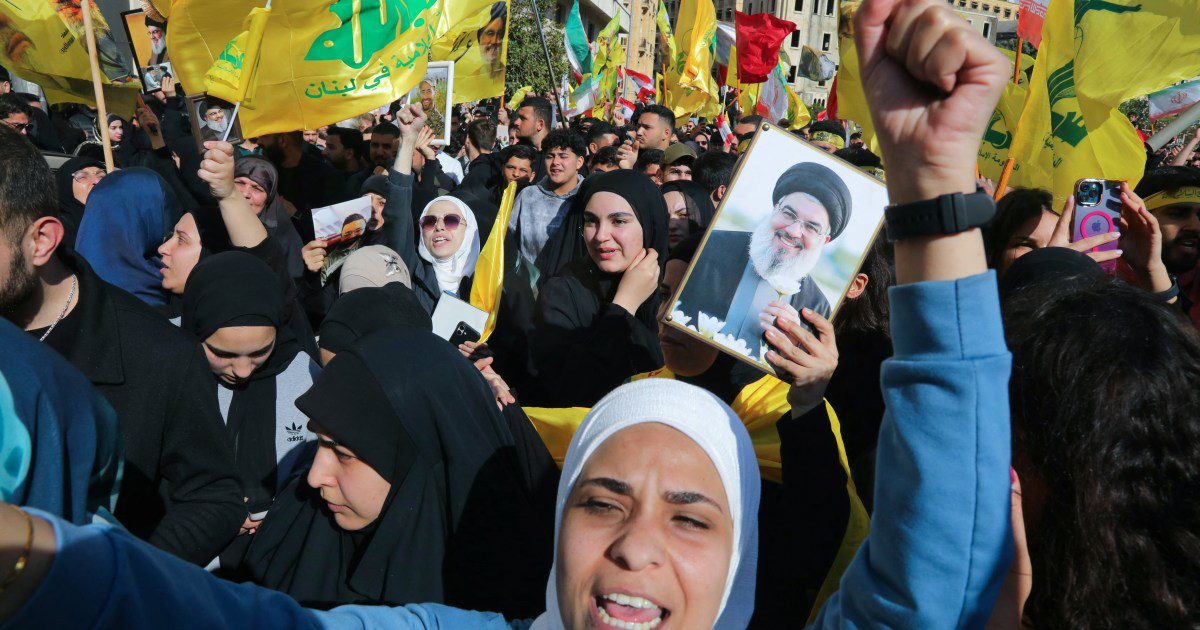
The meeting, being hosted in Washington under the auspices of US Secretary of State Marco Rubio, is being described as “preparatory” but marks the first major high-level engagement between the two governments since 1993. Hezbollah, the Iran-backed militant group that effectively controls Lebanon’s south, has urged the Lebanese government to pull out of the talks, calling them “futile”.
Constitutional & Legal Framework
- UNSC Resolution 1701 (2006) — Ceasefire framework that ended the 2006 Israel-Hezbollah war; created a buffer zone south of the Litani river monitored by UNIFIL.
- UNSC Resolution 425 (1978) — Established UNIFIL (UN Interim Force in Lebanon) after Israel’s first invasion.
- Taif Accord (1989) — Ended the 15-year Lebanese Civil War and restructured Lebanon’s sectarian confessional system.
- Blue Line (2000) — UN-demarcated de facto boundary between Israel and Lebanon, drawn to confirm Israeli withdrawal.
- Article 51, Indian Constitution — DPSP directing India to promote international peace, respect international law and treaty obligations.
Why This Matters for CLAT 2027
This story is a goldmine of International Relations concepts that CLAT loves to test: State responsibility, peacekeeping law, sovereignty versus non-State actors, and the Abraham Accords framework. Expect passages contrasting the 2020 Abraham Accords (UAE, Bahrain, Morocco, Sudan normalised with Israel) with this potential Lebanon breakthrough. Also expect questions on the Oslo framework, India’s balanced West Asia policy, and the role of UNSC in authorising peacekeepers (Chapter VI vs Chapter VII of the UN Charter).
Key Facts at a Glance
| Event | First direct Lebanon-Israel talks in 30+ years |
| Venue | US State Department, Washington D.C. |
| Host | Secretary of State Marco Rubio |
| Ceasefire framework | UNSC Resolution 1701 (2006) |
| Peacekeeping force | UNIFIL (deployed since 1978) |
| Blue Line | UN-drawn de facto boundary (2000) |
| India’s stance | Two-state solution, Art 51 DPSP |
| Hezbollah position | Rejects talks as “futile” |
Mnemonic to Remember
“1701 = 1 Peace, 7 Tries, 0 Wars, 1 Blue Line” — helps you remember that UNSC Resolution 1701 is the Lebanon ceasefire, while Resolution 242 is the Israel-Palestine (post-1967) framework. Also: “TAIF = Truce After Internal Fight” for the 1989 Lebanon Civil War accord.
Test Your Knowledge
Practice Quiz — 10 CLAT-Style Questions
Click an option to reveal the answer and explanation.