
April 3, 2026 — Environmental Law
The National Green Tribunal stays Assam’s order deploying forest staff for election duty, invoking Art. 48A, Art. 51A(g), Forest Conservation Act 1980, and Wildlife Protection Act 1972.
What Happened?
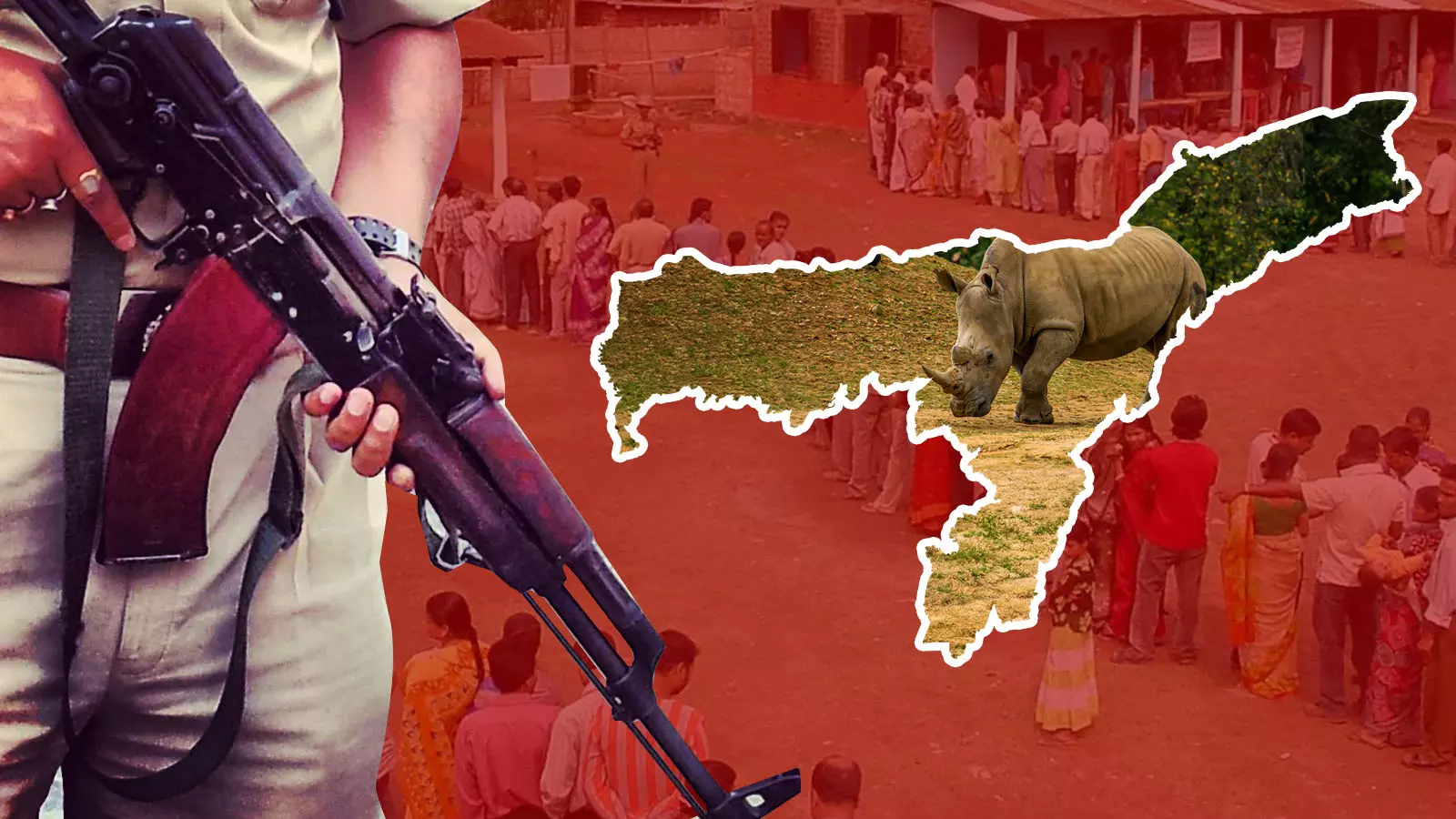
The National Green Tribunal (NGT) has stayed an Assam government order that deployed forest staff for election poll duty, terming it “bad in law.” The NGT observed that diverting forest officers from their primary conservation duties for election work could seriously harm wildlife protection and forest conservation efforts.
This case highlights the tension between election administration needs and environmental protection obligations. While the Election Commission requires large numbers of government staff for conducting elections, the NGT held that forest officers have specialized duties under environmental statutes that cannot be disrupted without legal authority.
Constitutional and Legal Framework
Constitutional and Statutory Provisions
- Article 48A (DPSP): Directs the State to protect and improve the environment and to safeguard forests and wildlife. Diverting forest staff undermines this constitutional directive.
- Article 51A(g) (Fundamental Duty): Makes it a duty of every citizen to protect and improve the natural environment including forests, lakes, rivers, and wildlife, and to have compassion for living creatures.
- Forest Conservation Act, 1980: Regulates the diversion of forest land for non-forest purposes and mandates dedicated forest staff for conservation.
- Wildlife Protection Act, 1972: Provides for the protection of wild animals, birds, and plants, requiring dedicated officers for enforcement.
- NGT Act, 2010: Established the National Green Tribunal for effective and expeditious disposal of cases relating to environmental protection.
Why This Matters for CLAT 2027
CLAT Angle
- MC Mehta v UOI: The foundational environmental case establishing the polluter pays principle and precautionary principle. The NGT’s Assam order follows this tradition of prioritizing environmental protection.
- TN Godavarman Thirumulpad v UOI (1996): Expanded the definition of “forests” and strengthened forest conservation. The case established that forest officers have irreplaceable duties.
- NGT Jurisdiction: CLAT frequently tests knowledge of the NGT’s jurisdiction — it covers 7 statutes: EPA 1986, FCA 1980, WPA 1972, Water Act 1974, Air Act 1981, Biodiversity Act 2002, and the NGT Act itself.
- Conflict of Rights: This case presents a classic CLAT passage scenario — the tension between democratic processes (elections) and environmental protection.
Key Facts at a Glance
Quick Reference Table
| Parameter | Detail |
|---|---|
| Body | National Green Tribunal (NGT) |
| State | Assam |
| Order | Stay on deploying forest staff for election duty |
| NGT Observation | “Bad in law” |
| Key Articles | Art. 48A, Art. 51A(g) |
| Key Acts | FCA 1980, WPA 1972, NGT Act 2010 |
| Key Cases | MC Mehta v UOI, TN Godavarman v UOI |
| Core Issue | Election needs vs. Environmental protection |
Memory Aid
Mnemonic: “FOREST” for Environmental Law
- F — Forest Conservation Act, 1980
- O — Obligation under Art. 48A (DPSP)
- R — Rights of wildlife under WPA 1972
- E — EPA 1986 (Environment Protection Act)
- S — Seven statutes under NGT jurisdiction
- T — TN Godavarman expanded forest definition
Remember: Art. 48A = State’s DUTY (DPSP) | Art. 51A(g) = Citizen’s DUTY (Fundamental Duty)
Practice Quiz
Practice Quiz — 10 CLAT-Style Questions
Click an option to reveal the answer and explanation.