
CURRENT AFFAIRS | 4 MAY 2026
CLAT GK + CONSTITUTIONAL LAW & RELEVANT AREA
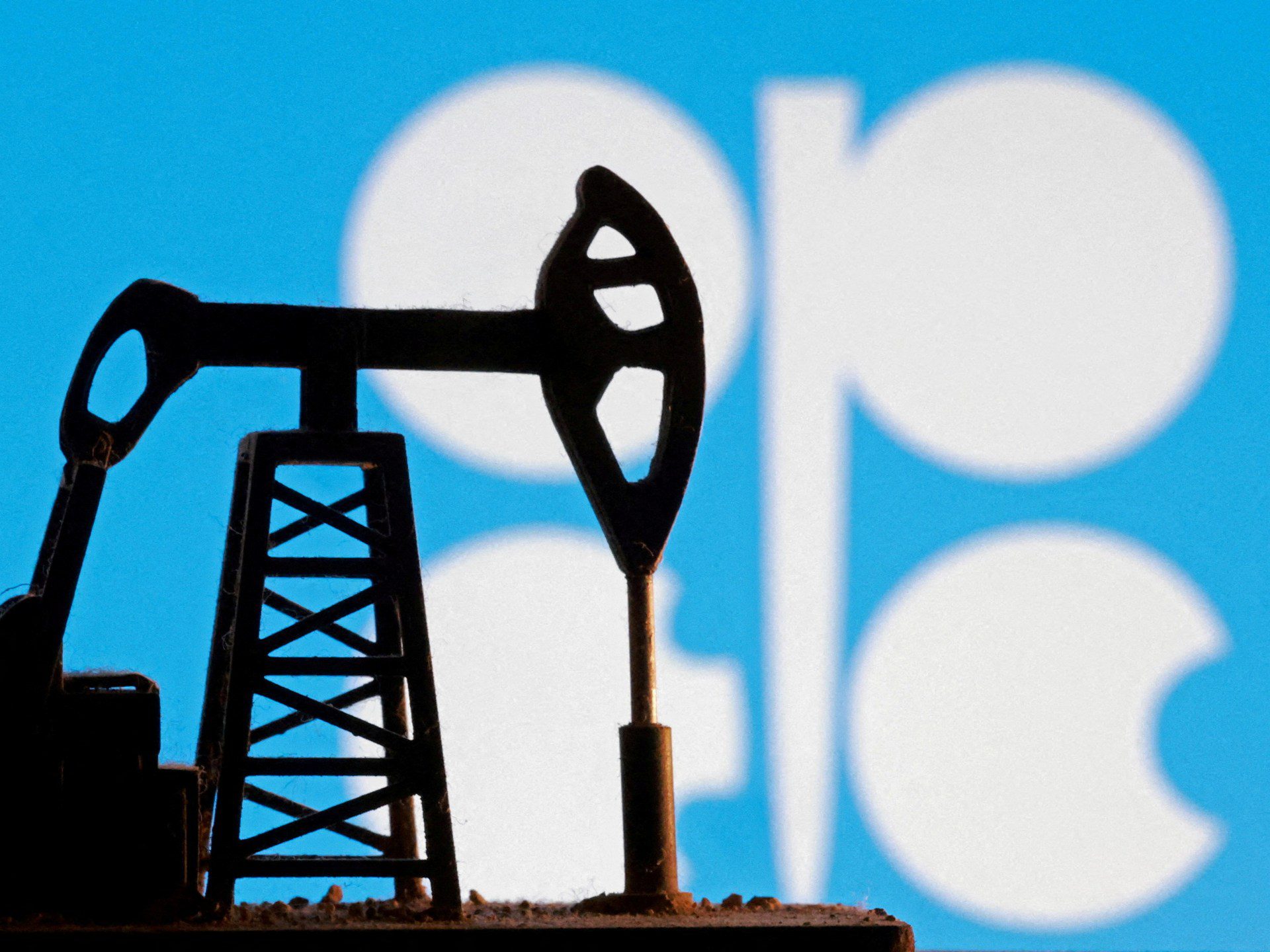
OPEC+ on May 3, 2026 approved its third consecutive output increase since the Strait of Hormuz war-closure began, raising production by 188,000 barrels per day in June. The decision came a day after the UAE formally exited OPEC and OPEC+ on May 1, leaving only seven members in monthly production decisions: Saudi Arabia, Iraq, Kuwait, Algeria, Kazakhstan, Russia and Oman. Brent crude, which peaked at $126/barrel, traded at $108 last week.
The Strait of Hormuz handles roughly 20% of global oil and 33% of LNG flows. Its closure has reignited debate around UNCLOS Article 38 (transit passage), India’s strategic petroleum reserve adequacy, and the long-discussed Asian Energy Collaborative Compact (AECC) as a counterweight to the OECD-tilted IEA. For CLAT 2027 aspirants, this is a richly multi-disciplinary topic spanning international law, economics, and energy security.
Legal & Institutional Framework
- UNCLOS, 1982 — Article 38: transit passage right through straits used for international navigation; cannot be suspended.
- UNCLOS Article 17 & 19: innocent passage through territorial seas (different from transit passage).
- OPEC Statute, 1961: governs OPEC’s coordinated production decisions; ratification of UAE exit notification triggers Article-based withdrawal.
- Indian Petroleum Act, 1934: governs storage, transport and refining of petroleum domestically.
- Article 73: Union executive power over foreign trade and energy diplomacy.
CLAT Angle — Why This Matters
If Iran blocks Hormuz, it isn’t just an act of war — it is a UNCLOS Article 38 violation. Iran has historically disputed the Strait’s status as ‘international’ (Iran is a signatory but not a ratifier of UNCLOS). For Legal Reasoning, the strongest distractor is ‘innocent passage’ under Article 17 — this applies to territorial seas, not straits, and can be suspended by the coastal state. Transit passage cannot.
Watch for the Asian Premium trap: it is a price differential of $3-6/bbl that Asian buyers (India, China, Japan, South Korea) pay over European refiners for the same Saudi crude. Reform attempts have repeatedly failed without an Asian buyers’ cartel.
Key Facts at a Glance
| OPEC+ Hike Date | May 3, 2026 |
| June Increase | 188,000 bpd |
| UAE Exit | May 1, 2026 (OPEC and OPEC+) |
| Remaining Members | Saudi, Iraq, Kuwait, Algeria, Kazakhstan, Russia, Oman |
| Hormuz Oil Share | ~20% of global flows |
| Hormuz LNG Share | ~33% of global flows |
| Brent Peak | $126/bbl |
| India SPR Capacity | ~5.33 MMT (Vizag, Mangalore, Padur) |
Mnemonic — HORMUZ
Hormuz chokepoint — OPEC+ output hike — Refiner pain in Asia — Maritime UNCLOS Art 38 — UAE exits May 2026 — Zero-Asian-cartel = Asian Premium.
India’s Energy Calculus
India imports ~85% of its crude. Of that, ~60% transits Hormuz. The current SPR (~5.33 MMT) covers roughly 9-10 days of consumption — well below the IEA’s 90-day standard. Phase-II SPRs at Chandikhol (Odisha) and Padur expansion are pending. The OPEC+ output hike, paradoxically, is good news for India: more supply caps prices. UAE’s exit may herald a multi-polar oil order where individual producers cut bilateral deals with consumer nations — the kind of structural shift CLAT examiners love to anchor on Article 73 (executive treaty-making) and Article 253 (Parliament’s implementing power).
Test Yourself: 10 CLAT-Style MCQs
Lock in your understanding with this concept-check quiz.
Practice Quiz — 10 CLAT-Style Questions
Click an option to reveal the answer and explanation.