
ECONOMY & TRADE POLICY
The Hindu & Indian Express — April 3, 2026
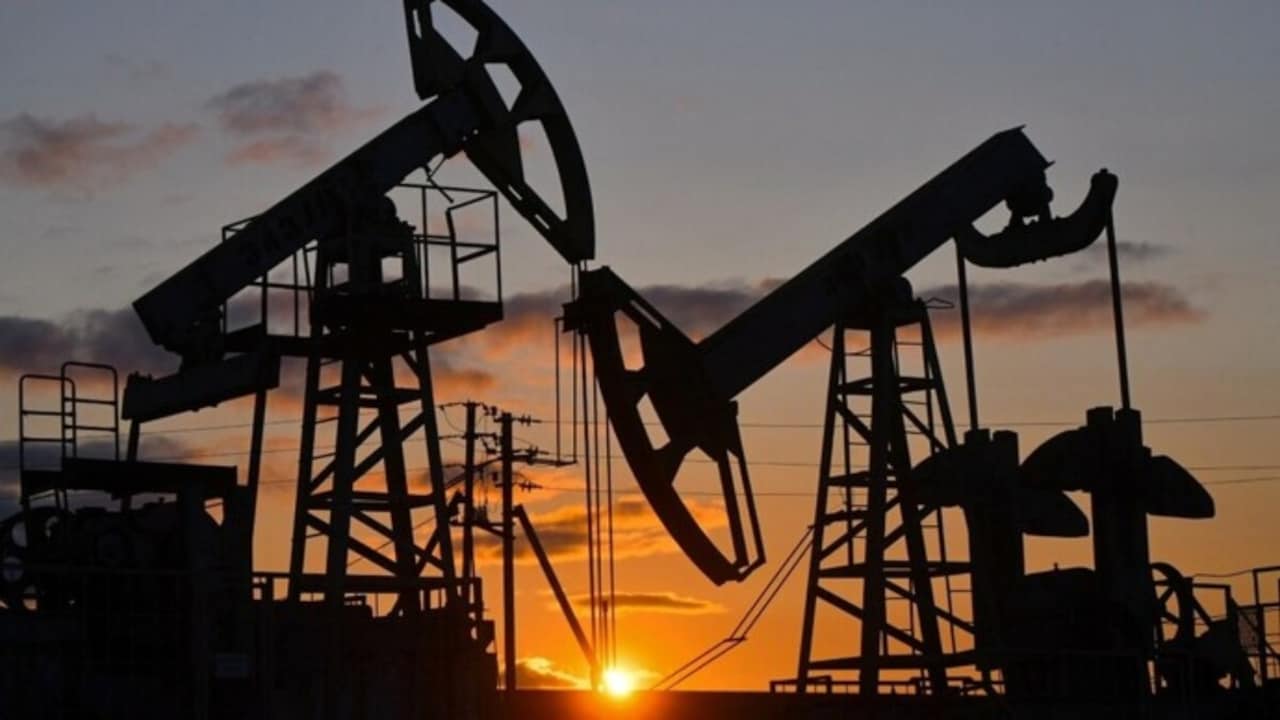
The Centre has granted full customs duty exemption on critical petrochemical products to ensure availability of essential inputs to domestic industry. Described as a “timely boost to safeguard sectors,” this temporary and targeted relief comes amid global trade disruptions triggered by tariff wars.
In related developments, the government directed refineries to reroute LPG feedstock to industries, put the 60% free seats mandate for flights on hold, and saw the rupee log its steepest single-day gain since 2013 as stock markets recouped earlier losses. These measures collectively reflect the government’s proactive approach to insulating the economy from external shocks.
Constitutional & Legal Framework
- Article 265: “No tax shall be levied or collected except by authority of law” — all customs duty changes must have statutory backing
- Article 246 read with Union List Entry 83: Duties of customs, including import and export duties, are an exclusive Union subject
- Customs Act, 1962: The primary statute governing import/export of goods, tariff classification, and duty exemptions
- Section 25 of Customs Act: Empowers the Central Government to grant exemptions from customs duty in public interest
- WTO Compliance: India’s duty exemptions must align with its bound tariff commitments under the WTO framework
CLAT Exam Perspective
This topic is a goldmine for Legal Reasoning in CLAT 2027. Key testable areas include:
- The constitutional mandate under Art. 265 — can the executive levy tax without legislative approval?
- The distinction between Union List (customs) and Concurrent List (trade and commerce) entries
- The power of the executive to grant exemptions under Section 25 of Customs Act vs. parliamentary sovereignty
- WTO obligations and their interaction with domestic trade policy
Watch for: Passage-based questions presenting a scenario where customs duty changes are challenged in court on Art. 265 grounds.
Key Facts at a Glance
| Products Exempted | Critical petrochemical products |
| Exemption Type | Full customs duty exemption (temporary & targeted) |
| LPG Feedstock | Redirected from export to domestic industry |
| Flight Mandate on Hold | 60% free seats rule suspended |
| Rupee Performance | Steepest single-day gain since 2013 |
| Key Legal Provision | Art. 265 + Customs Act 1962, Sec. 25 |
CLAT Mnemonic: “P-R-F-S”
P — Petrochemical duty exemption (full customs relief)
R — Rupee surges (steepest gain since 2013)
F — Flight free-seats mandate (60%) put on hold
S — Section 25 of Customs Act (exemption power)
Remember: “PRFS — the government PReFerreD Swift economic relief!”
The Bigger Economic Picture
These measures come at a time when global trade is under severe stress from escalating tariff wars. The customs duty exemption on petrochemicals protects downstream industries like plastics, textiles, and packaging from input cost spikes. Combined with the rupee’s recovery, these interventions suggest coordinated fiscal and monetary policy responses to external volatility. For CLAT aspirants, understanding the interplay between trade policy, constitutional provisions, and international obligations is essential.
Test Your Knowledge
Practice Quiz — 10 CLAT-Style Questions
Click an option to reveal the answer and explanation.