
CURRENT AFFAIRS | 20 APRIL 2026
CLAT GK + CONSTITUTIONAL LAW & RELEVANT AREA
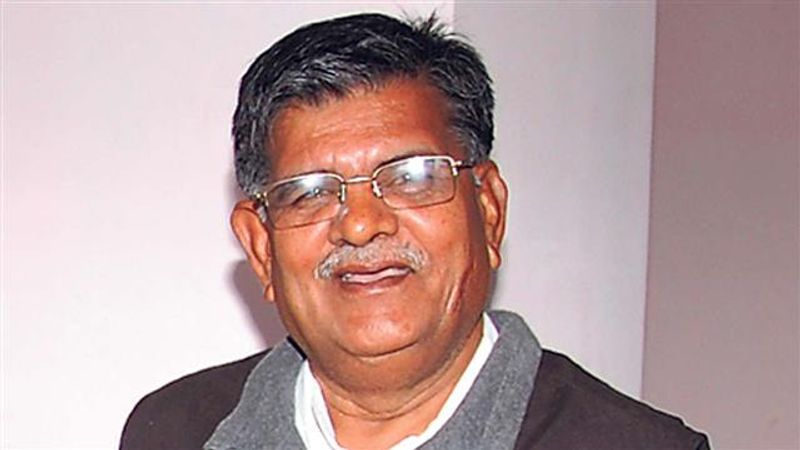
On 19 April 2026, Punjab Governor Gulab Chand Kataria signed off on the Jaagat Jot Sri Guru Granth Sahib Satkar (Amendment) Bill, 2026 — closing a decade-long loop that had seen two earlier Punjab sacrilege Bills stall at the Centre. The law, unanimously passed on Baisakhi (13 April) in a special session, prescribes a minimum 7 years imprisonment (extendable to 20) and life imprisonment for conspiracies. For CLAT aspirants, this is a textbook Art 25 vs State police power problem, topped with a federalism garnish on Art 200/201.
What happened?
- Governor granted assent on 19 April 2026 to the Jaagat Jot Sri Guru Granth Sahib Satkar (Amendment) Bill 2026.
- Passed unanimously by the Punjab Vidhan Sabha on Baisakhi, 13 April 2026.
- Punishments: Minimum 7 years, up to 20 years; fine Rs 2-10 lakh; life imprisonment + Rs 5-20 lakh for criminal conspiracy disturbing communal harmony.
- Offences are cognisable, non-bailable and triable by a Sessions Court.
- This is Punjab’s third attempt — the 2016 and 2018 Bills lapsed after being reserved for Presidential assent.
- Builds on the parent Punjab Prevention of Sacrilege Act, 2008.
Constitutional Framework
- Art 25: Freedom of conscience, profession, practice and propagation of religion.
- Art 26: Right of a religious denomination to manage its own religious affairs.
- Art 200: Governor’s options on a Bill — assent, withhold, return, or reserve for President.
- Art 201: Bills reserved for Presidential consideration.
- Art 246 + Concurrent List Entries 1 (criminal law) & 2 (CrPC): Authorises States to legislate on criminal offences.
- BNS 2023 Sec 298 & 299 (formerly IPC 295 / 295A) — wounding religious feelings.
- Key cases: Ramji Lal Modi v State of UP (1957) upheld IPC 295A; Superintendent v Ram Manohar Lohia (1960) on proximate restrictions; Mithu v State of Punjab (1983) struck down mandatory life/death.
CLAT 2027 Angle
The new Punjab law risks Art 14 scrutiny because it carves out protection only for the Guru Granth Sahib — raising classification concerns. It also tests the proportionality doctrine: post Mithu (1983), mandatory minimum sentences linked to religion-specific classifications are vulnerable. Expect a CLAT passage contrasting State police power with Art 25 freedom — the BNS already covers sacrilege generically via Sec 298.
Key Facts at a Glance
| Governor who assented | Gulab Chand Kataria |
| Date of assent | 19 April 2026 |
| Passed by Assembly on | Baisakhi, 13 April 2026 (unanimous) |
| Minimum punishment | 7 years imprisonment |
| Maximum punishment | 20 years + life imprisonment for conspiracy |
| Fine range | Rs 2-10 lakh (up to Rs 20 lakh for conspiracy) |
| Nature of offence | Cognisable + non-bailable, Sessions Court |
| Parent law | Punjab Prevention of Sacrilege Act, 2008 |
Mnemonic: SATKAR
- S — Seven-year minimum
- A — Assent by Kataria (19 Apr 2026)
- T — Twenty-year maximum term
- K — Kataria ends decade-long log-jam
- A — AAP’s third attempt clears
- R — Religion-specific carve-out (Art 14 risk)
Test Yourself: 10-Question Current Affairs Quiz
Attempt all 10 — balanced difficulty, all four options distributed.
Practice Quiz — 10 CLAT-Style Questions
Click an option to reveal the answer and explanation.
Final Takeaway
Revise this topic twice before CLAT 2027 — once for the factual trigger, once for the constitutional-law layering. If you cracked 7/10 on the quiz above, you are CLAT-ready on this story. Keep following CLAT Gurukul for daily decoder pieces like this one.