CURRENT AFFAIRS | MARCH 29, 2026
CLAT GK + BANKING LAW & CONSTITUTIONAL LAW
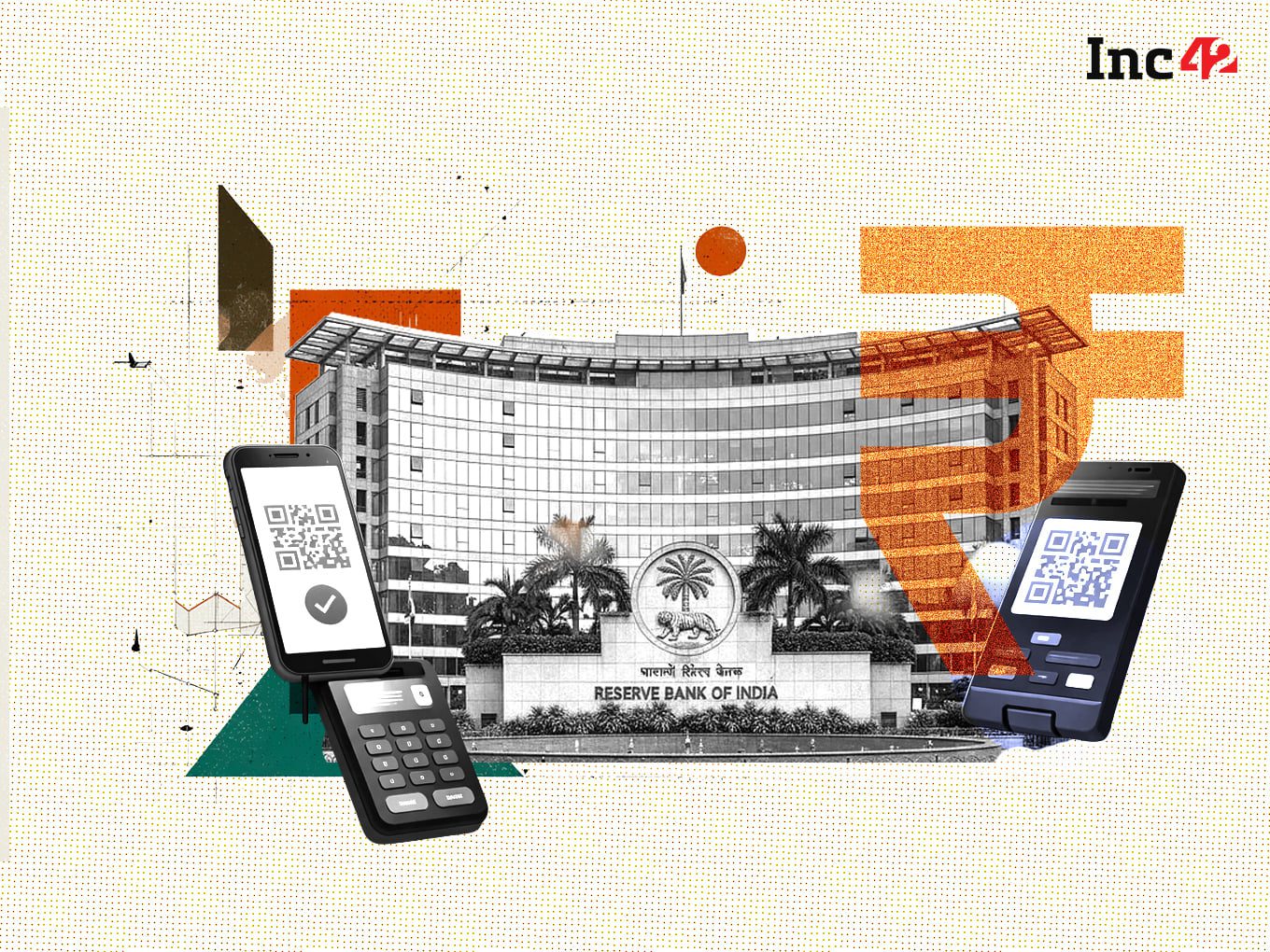
The Reserve Bank of India has proposed the introduction of electronic cheques (e-cheques) as part of its ambitious Payments Vision 2028 document released on March 27, 2026. Themed “Shaping India’s Payment Frontier”, the strategic roadmap outlines 15 concrete initiatives to modernise India’s payment ecosystem by December 2028. Building on existing CTS-2010 (Cheque Truncation System) standards, the RBI aims to merge traditional cheque reliability with digital speed while strengthening fraud prevention.
An e-cheque is a digital version of a paper cheque — created, signed, and sent online instead of on paper. The initiative will identify and adopt best practices from global payment systems, making them applicable across all cheque instruments in India.
Other Key Proposals in Payments Vision 2028
- Shared Fraud Liability: Both the sender’s bank and receiver’s bank will be jointly liable in cases of unauthorized digital payment fraud — a major shift from current rules
- Switch On/Off for Digital Payments: Facility for users to enable or disable transactions on any digital payment mode, similar to existing card transaction controls
- Payments Switching Service (PaSS): Will facilitate seamless migration of customers between banking institutions with minimal friction
- Cross-Border Payments Overhaul: Complete restructuring of cross-border payments framework to reduce friction, lower remittance costs, and simplify MSME international trade
- E-Commerce Regulation: RBI may extend direct regulations to e-commerce marketplaces that have assumed significant roles in the payments ecosystem
- Cyber Risk Framework: New Cyber Key Risk Indicators (KRI) for non-bank Payment System Operators
Legal & Constitutional Framework
- RBI Act, 1934: Establishes the Reserve Bank of India and empowers it to regulate the monetary and credit system of India, including payment and settlement systems.
- Negotiable Instruments Act, 1881: Section 6 defines a cheque as a bill of exchange drawn on a specified banker, payable on demand. E-cheques will need to be accommodated within or alongside this definition.
- Payment and Settlement Systems Act, 2007: Gives RBI the authority to regulate and supervise payment systems in India, providing the legal basis for introducing new payment instruments like e-cheques.
- Information Technology Act, 2000: Provides legal recognition to electronic records and digital signatures, which is essential for the legal validity of e-cheques.
- Article 246, Entry 45, List I (Union List): Places “banking” as a Union subject, giving Parliament exclusive legislative competence over banking regulation and enabling the RBI’s regulatory authority.
CLAT Exam Angle
- GK Section: RBI’s regulatory powers, Payments Vision 2028, CTS system, digital payment infrastructure, UPI evolution
- Legal Reasoning: Definition of negotiable instruments under NI Act, legal recognition of electronic records under IT Act, RBI’s regulatory framework under PSS Act 2007
- Passage-Based Questions: Arguments for digital payment modernisation vs. privacy concerns, shared fraud liability implications
- Constitutional Law: Union List Entry 45 (banking), RBI’s statutory authority, legislative competence for financial regulation
Key Facts at a Glance
| Document | RBI Payments Vision 2028 |
| Release Date | March 27, 2026 |
| Theme | Shaping India’s Payment Frontier |
| Key Proposal | Introduction of Electronic Cheques (e-cheques) |
| Initiatives Count | 15 concrete initiatives |
| Timeline | Implementation by December 2028 |
| Existing Standard | CTS-2010 (Cheque Truncation System) |
| Key Laws | RBI Act 1934, NI Act 1881, PSS Act 2007, IT Act 2000 |
Mnemonic: CHEQUE
Remember the key legal framework with CHEQUE:
- C — CTS-2010 standards (Cheque Truncation System)
- H — Harnessing IT Act 2000 for electronic record validity
- E — Entry 45, List I (banking is Union subject)
- Q — Quality controls via PSS Act 2007
- U — Unified fraud liability (sender + receiver bank)
- E — E-cheque = digital version of NI Act Section 6 cheque
Conclusion
The RBI’s Payments Vision 2028 marks a significant step in India’s digital payment evolution. The proposed e-cheque system, shared fraud liability, and cross-border payment reforms will reshape India’s financial landscape. For CLAT aspirants, understanding the interplay between the RBI Act 1934, Negotiable Instruments Act 1881, Payment and Settlement Systems Act 2007, and IT Act 2000 is crucial — these statutes frequently appear in GK and Legal Reasoning sections. The constitutional basis under Article 246 (Entry 45, List I) establishing banking as a Union subject underpins the entire regulatory framework.
Practice Quiz — 10 CLAT-Style Questions
Click an option to reveal the answer and explanation.