
CURRENT AFFAIRS | 10 APRIL 2026
CLAT GK + INTERNATIONAL MARITIME LAW
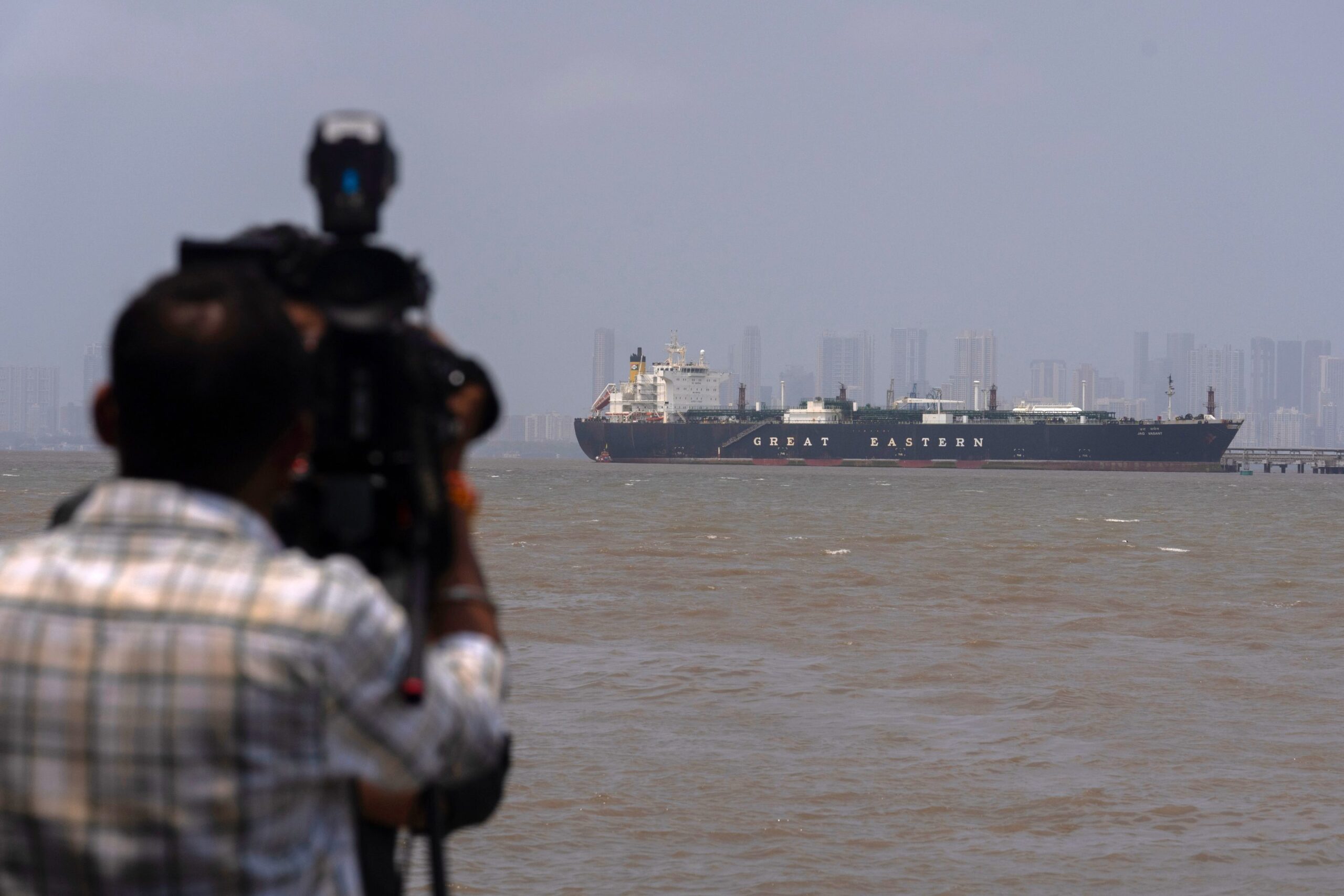
India is working with international partners to ensure free and safe navigation through the Strait of Hormuz, one of the world’s most strategically important waterways. Iran has proposed charging a toll on merchant vessels crossing the strait — a move that could disrupt global energy markets. Approximately 20% of the world’s energy supply passes through this narrow channel connecting the Persian Gulf to the Gulf of Oman. India’s Ministry of External Affairs has stated that navigation must remain free and safe, given India’s heavy dependence on West Asian oil and gas imports.
Why This Matters for CLAT 2027
Maritime law questions have appeared consistently in CLAT, particularly in GK and Legal Reasoning sections. The Strait of Hormuz dispute engages UNCLOS (United Nations Convention on the Law of the Sea), the concept of transit passage, and India’s energy security — all high-probability topics for CLAT 2027. The Bosphorus comparison involving the Montreux Convention adds a comparative international law dimension.
Constitutional & Legal Framework
- UNCLOS Part III (Articles 34-44): Governs straits used for international navigation; establishes the right of transit passage
- UNCLOS Article 38: Defines transit passage as freedom of navigation solely for continuous and expeditious transit
- UNCLOS Article 17: Establishes the right of innocent passage through territorial sea
- Montreux Convention (1936): Special treaty giving Turkey control over the Bosphorus and Dardanelles straits — the exception Iran cites as precedent
- Article 51 DPSP (India): Directs the State to foster respect for international law and treaty obligations
- UNCLOS Part V (Articles 55-75): Establishes the Exclusive Economic Zone regime (200 nautical miles)
Understanding Transit Passage vs Innocent Passage
This is a critical distinction for CLAT aspirants. Under UNCLOS, transit passage (Part III) applies to international straits and cannot be suspended — ships and aircraft exercise freedom of navigation for continuous and expeditious transit. Innocent passage (Part II) applies to territorial seas and can be temporarily suspended by the coastal state for security reasons. The Strait of Hormuz falls under the transit passage regime because it connects two parts of the high seas (or EEZs).
Iran’s proposal to charge a toll finds no basis in UNCLOS. However, Iran points to Turkey’s Bosphorus and Dardanelles straits as a precedent. Turkey charges transit fees under the Montreux Convention of 1936 — a special treaty that predates UNCLOS and is specifically preserved under UNCLOS Article 35(c), which states that existing international conventions governing specific straits remain valid. This exception does not apply to Hormuz, which has no such treaty.
India’s Energy Security Dimension
India imports approximately 60-65% of its crude oil from West Asian countries, making the Strait of Hormuz a lifeline for India’s energy security. Any disruption — whether through military action, toll imposition, or blockade — would directly impact India’s economy. India’s position is grounded in both UNCLOS obligations and its strategic energy interests.
CLAT Exam Angle
- Legal Reasoning: Passage-based questions on UNCLOS — transit passage vs innocent passage, rights of coastal states vs flag states
- GK/Current Affairs: Strait of Hormuz geography, India’s oil dependence, UNCLOS framework
- Comparative Law: Montreux Convention (Bosphorus) vs UNCLOS Part III (Hormuz) — why Turkey can charge tolls but Iran cannot
- India Connection: Article 51 DPSP, India’s maritime policy, energy security strategy
- Key Distinction: Transit passage (cannot be suspended, no toll) vs Innocent passage (can be suspended, coastal state authority)
Key Facts at a Glance
| Strait of Hormuz width | ~33 km at narrowest point |
| Global energy share | ~20% of world oil supply |
| Connects | Persian Gulf to Gulf of Oman |
| India’s oil dependence on West Asia | ~60-65% of crude imports |
| UNCLOS adopted | 1982 (entered into force 1994) |
| Montreux Convention | 1936 (governs Turkish Straits) |
| EEZ extent under UNCLOS | 200 nautical miles |
Mnemonic: UNCLOS Maritime Zones — “TICE”
T — Territorial Sea (12 nm — full sovereignty)
I — Internal Waters (inside baseline — absolute sovereignty)
C — Contiguous Zone (24 nm — customs, immigration enforcement)
E — EEZ (200 nm — resource rights, not full sovereignty)
Practice Quiz — Test Your Understanding
Practice Quiz — 10 CLAT-Style Questions
Click an option to reveal the answer and explanation.