

CURRENT AFFAIRS | 20 APRIL 2026
CLAT GK + CONSTITUTIONAL LAW & RELEVANT AREA
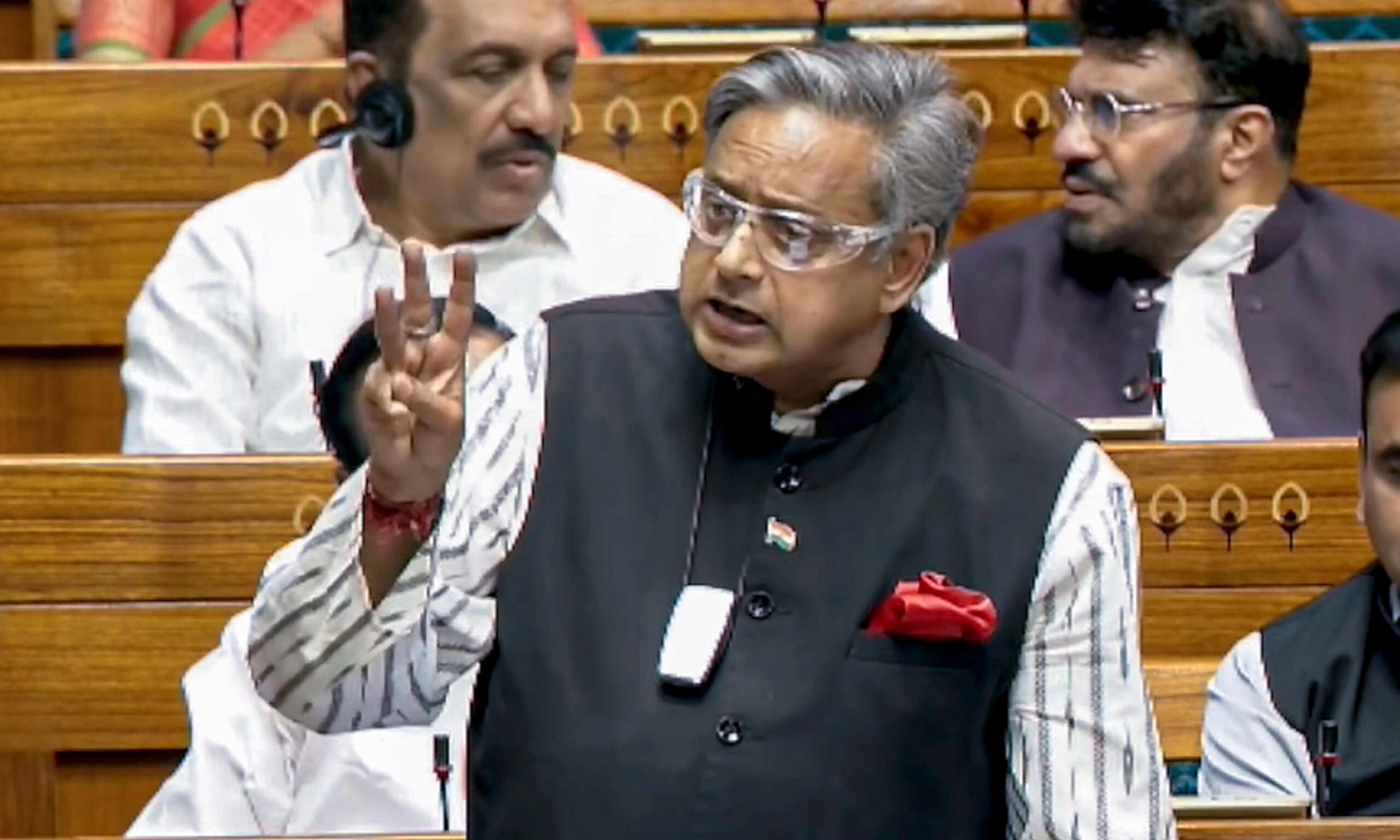
Writing on The Ideas Page (20 April 2026), Shashi Tharoor called for a ‘great national consultation’ before the next delimitation exercise, warning that one-person-one-vote in a 145-crore country would perversely punish southern states that controlled population growth. He proposed examining the US Connecticut Compromise (House vs Senate split) and floated rebuilding the Rajya Sabha as a ‘House of States’ with equal representation. Even an 850-seat Lok Sabha post-delimitation would leave 1.7 lakh voters per MP — worse than China’s ceremonial NPC.
Why it matters for CLAT: Classic CLAT federalism seesaw — Art 81 (one-person-one-vote) vs basic-structure federalism (Bommai 1994). The 84th (2001) and 87th (2003) Constitutional Amendments froze seat distribution till the first census taken after 2026. The Connecticut Compromise inspires the US Senate (equal state representation); the EU’s ‘degressive proportionality’ is a parallel model for balancing big and small states.
Constitutional Framework
- Art 81 — composition of Lok Sabha; seats population-based
- Art 82 — readjustment after each census by Delimitation Commission
- Art 80 — composition of Rajya Sabha; state-wise allocation (Fourth Schedule)
- 84th CAA 2001 + 87th CAA 2003 — froze seat distribution till first census after 2026
- Art 329 — bar on judicial interference in electoral matters; read with Sec 10(2) Delimitation Act 2002
- S R Bommai v UoI (1994) — federalism is part of the basic structure
- R C Poudyal v UoI (1993) — tolerable deviation from one-person-one-vote for federal balance
- Kuldip Nayar v UoI (2006) — upheld removal of domicile requirement for Rajya Sabha
- Kishorechandra Chhaganlal Rathod (2024) — Delimitation orders reviewable only if ‘manifestly arbitrary’
CLAT Angle — How This Gets Tested
- Direct Principle–Application: “No electoral order shall be called in question in any court.” Fact: Delimitation Commission divides a constituency unevenly. Can it be challenged? Answer: only if it ‘manifestly violates’ the Constitution (Rathod 2024).
- Federalism-as-basic-structure (Bommai) is the constitutional anchor for any inter-state equity argument.
- Degressive proportionality (EU Parliament) = ratio of citizens to MP rises as state population rises — smaller states over-represented. Connecticut Compromise (USA 1787) = population-based House + equal-state Senate.
- Remember the trigger clause of the 84th/87th CAA: seats frozen ‘until the relevant figures for the first census taken after the year 2026 have been published’. The 2027/28 census will arm the next delimitation.
Key Facts
| Author | Shashi Tharoor (The Ideas Page) |
| Publication Date | 20 April 2026 |
| Current Population | ~1.45 billion (145 crore) |
| Proposed LS Ceiling Cited | 850 seats |
| Ratio After 850 Seats | 1.7 lakh voters per MP |
| Constitutional Amendments Freezing Seats | 84th CAA 2001 + 87th CAA 2003 |
| Unfreeze Trigger | First census post-2026 |
| International Models Cited | US Connecticut Compromise; EU degressive proportionality |
Mnemonic
BRIDGE — Bommai federalism, Rajya Sabha rebuild idea, Indian Art 81 stress, Degressive proportionality (EU), Great national consultation, Eight-hundred-fifty seat ceiling
Test Yourself — 10 MCQ Quiz
Practice Quiz — 10 CLAT-Style Questions
Click an option to reveal the answer and explanation.