
CURRENT AFFAIRS | 2 APRIL 2026
CLAT GK + INTERNATIONAL LAW & STRATEGIC AFFAIRS
What Happened?
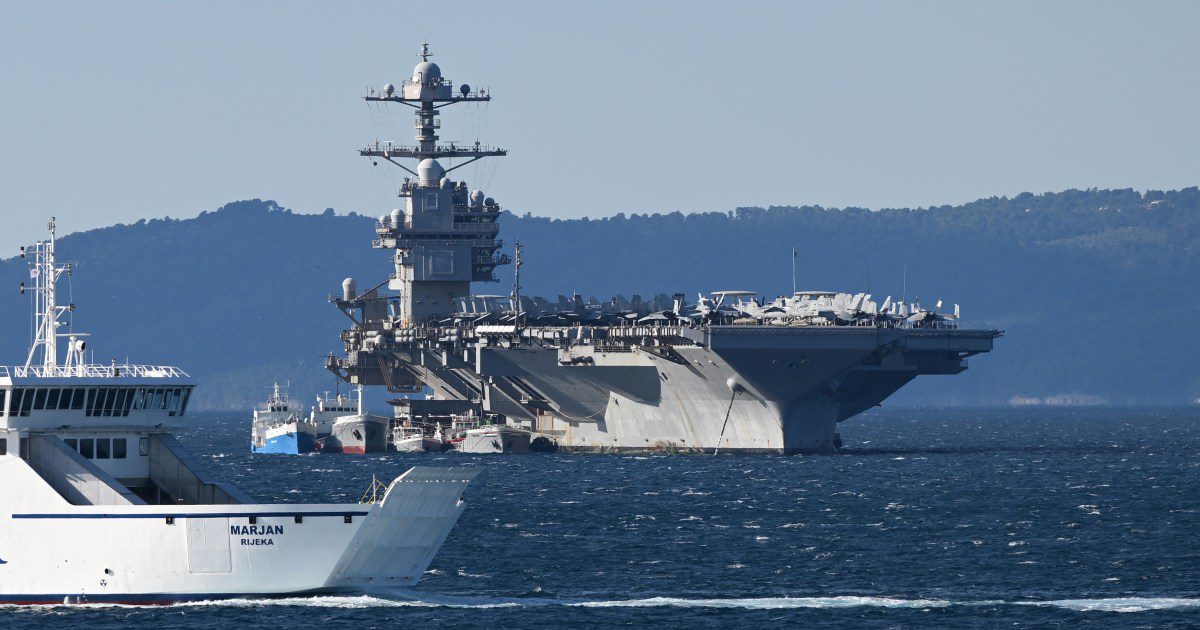
The transatlantic rift between the United States and its NATO allies has deepened dramatically. President Donald Trump has stated he is “strongly considering” pulling the US out of NATO, calling the 77-year-old alliance a “paper tiger” after European members refused to actively support the US war on Iran. The crisis centres on European allies’ refusal to send warships to reopen the Strait of Hormuz and their denial of military basing rights for US operations against Iran.
Spain became the most vocal European opponent, closing its airspace to US military planes and denying access to jointly operated bases. PM Pedro Sanchez called the war “unjustifiable and dangerous.” Britain initially withheld permission for US use of air bases, prompting Trump to publicly rebuke UK PM Keir Starmer. Secretary of State Marco Rubio said the US may need to “re-examine” its relationship with NATO.
NATO: The Architecture of Collective Security
The North Atlantic Treaty Organization was established by the Washington Treaty of 4 April 1949 as a collective defence alliance among Western nations during the Cold War. Its cornerstone is Article 5 — the collective defence clause stipulating that an armed attack against one member is an attack against all. NATO currently has 32 member states after Finland (2023) and Sweden (2024) joined.
However, a 2023 US Congressional law bars the President from withdrawing from NATO without legislative approval. Legal experts note Trump could try to cite executive authority to sidestep this, which would trigger major constitutional litigation within the US.
Constitutional & Legal Framework
- NATO Article 5 — Collective defence: attack on one = attack on all
- Washington Treaty, 1949 — Founding treaty of NATO
- Article 51, Indian Constitution — DPSP: State shall promote international peace and security, respect for international law
- Article 2(4), UN Charter — Prohibition on use of force against territorial integrity of any state
- UNCLOS (1982) — United Nations Convention on the Law of the Sea; governs the Strait of Hormuz as an international waterway
- Strait of Hormuz — Connects Persian Gulf to Gulf of Oman; ~20% of global oil passes through it
India’s Position: Strategic Autonomy
India is not a NATO member and follows a policy of strategic autonomy — maintaining independent foreign policy decisions while engaging with multiple global blocs. Article 51 of the Indian Constitution (a Directive Principle) directs the State to promote international peace, maintain just and honourable relations, and foster respect for international law and treaty obligations.
The Strait of Hormuz crisis directly affects India as one of the largest importers of oil from the Persian Gulf. Any disruption to this maritime chokepoint would impact India’s energy security, trade balance, and inflation outlook.
CLAT Angle: Why This Matters
- International Law — NATO Art 5, UN Charter Art 2(4), collective security doctrine
- UNCLOS — Freedom of navigation, international straits regime, transit passage rights
- Indian DPSP — Art 51: international peace, treaty obligations, arbitration (frequently tested in CLAT)
- Comparative Constitutionalism — US presidential treaty powers vs Indian Parliament’s role in foreign policy
- India’s Energy Security — Strait of Hormuz, oil imports, DPSP Art 39(b) on equitable resource distribution
Key Facts at a Glance
| NATO Founded | 4 April 1949 (Washington Treaty) |
| Members | 32 (latest: Sweden, 2024) |
| Core Clause | Article 5 — Collective Defence |
| Strait of Hormuz | Persian Gulf to Gulf of Oman (~20% global oil) |
| India’s Stance | Strategic autonomy (non-aligned tradition) |
| Indian Constitutional Link | Art 51 (DPSP — international peace) |
Mnemonic: Article 51 (DPSP) — “PART” (Peace, Arbitration, Respect, Treaties)
- P — Promote international peace and security
- A — Arbitration of international disputes
- R — Respect for international law
- T — Treaty obligations — honour them
NATO Tip: Washington Treaty 1949, Article 5 = collective defence. UNCLOS 1982 = law of the sea. Both are frequent CLAT international law topics.
Practice Quiz
Practice Quiz — 10 CLAT-Style Questions
Click an option to reveal the answer and explanation.