
CURRENT AFFAIRS | 2 APRIL 2026
CLAT GK + COMPARATIVE CONSTITUTIONAL LAW & CITIZENSHIP
What Happened?
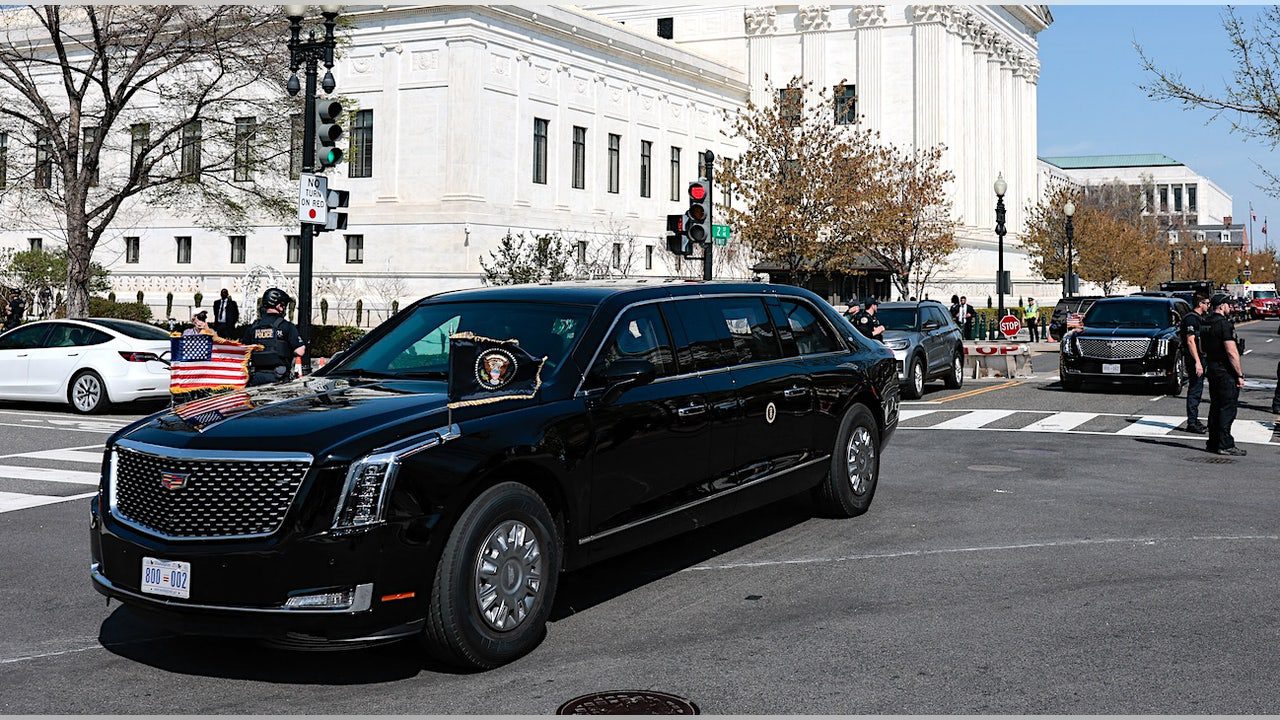
In an unprecedented move, President Donald Trump became the first sitting US President to attend Supreme Court oral arguments, as the Court heard the landmark case Trump v. Barbara on birthright citizenship. Trump’s executive order had sought to restrict automatic citizenship for babies born on US soil to parents who are undocumented immigrants — challenging over 150 years of legal interpretation of the 14th Amendment.
A majority of justices, including several conservatives, appeared skeptical of the administration’s arguments. Chief Justice Roberts questioned how the government could expand the restriction to “a whole class of illegal aliens” from what he called a “tiny and sort of idiosyncratic group.” Justice Gorsuch noted the 14th Amendment focuses on the child’s birthright, not the parents’ status. A decision is expected by late June 2026.
The 14th Amendment and Jus Soli
The 14th Amendment (ratified 1868) states: “All persons born or naturalized in the United States, and subject to the jurisdiction thereof, are citizens of the United States.” This established the principle of jus soli (right of the soil) — automatic citizenship by birth on US territory. Originally designed to grant citizenship to newly freed slaves after the Civil War, it has been interpreted broadly for over 150 years.
Trump’s Solicitor General D. John Sauer argued the Amendment was meant only for former slaves, not as a blanket citizenship provision. ACLU attorney Cecillia Wang — herself born in Oregon to Taiwanese parents on student visas — countered: “Ask any American what our citizenship rule is, and they’ll tell you, everyone born here is a citizen alike.”
India’s Approach: Jus Sanguinis
Unlike the US, India primarily follows jus sanguinis (right of blood) — citizenship based on parentage rather than place of birth. The Citizenship Act, 1955 has been amended multiple times (1986, 2003, 2019) to progressively restrict birth-based citizenship:
- Before 1987: Anyone born in India was a citizen (pure jus soli)
- 1987-2004: At least one parent must be an Indian citizen
- After 2004: Both parents must be citizens, OR one parent citizen and other not an illegal migrant
Constitutional & Legal Framework
- US 14th Amendment — Birthright citizenship (jus soli), ratified 1868
- Articles 5-11, Indian Constitution — Citizenship at commencement of Constitution
- Article 5 — Citizenship by domicile at commencement
- Article 11 — Parliament’s power to regulate citizenship by law
- Citizenship Act, 1955 — Five modes: birth, descent, registration, naturalisation, incorporation of territory
- Citizenship Amendment Act (CAA), 2019 — Fast-track citizenship for persecuted minorities from Pak, Afghanistan, Bangladesh
- Judicial Review — Art 13 (laws inconsistent with FR void), Art 32 (SC), Art 136 (SLP)
Comparative Constitutional Analysis
This case presents a rich opportunity for comparative constitutionalism — a favourite CLAT topic:
- US: Jus soli (14th Amendment) — ~36 countries follow this, mostly in the Americas
- India: Jus sanguinis (Citizenship Act 1955) — modified jus soli abandoned progressively since 1987
- UK/France: Mixed systems with conditional jus soli elements
- Trump v. Barbara may reshape the global debate on citizenship by birth
CLAT Angle: Why This Matters
- Comparative Constitutionalism — Jus soli (US) vs jus sanguinis (India): the most frequently tested citizenship concept in CLAT
- Indian Citizenship — Art 5-11 (constitutional provisions) + Citizenship Act 1955 (statutory law)
- Judicial Review — SC’s power to review executive orders/laws: US parallel to India’s Art 13 + Art 32
- CAA 2019 Connection — India’s own citizenship debates, SC pending hearings on CAA
- Separation of Powers — Can an executive order override a constitutional amendment?
Key Facts at a Glance
| US Constitutional Basis | 14th Amendment (1868) — jus soli |
| Case Name | Trump v. Barbara |
| India’s System | Jus sanguinis (Citizenship Act, 1955) |
| Indian Constitutional Articles | Articles 5-11 (citizenship) |
| Countries with Jus Soli | ~36 (mostly Americas) |
| Expected Ruling | Late June/early July 2026 |
Mnemonic: Indian Citizenship Articles — “5 to 11 = DRAM-PNC”
- D — Domicile (Art 5: domiciled at commencement)
- R — Refugees from Pakistan (Art 6)
- A — Abroad Indians who registered (Art 8)
- M — Migrants to Pakistan who returned (Art 7)
- P — Parliament’s power to regulate (Art 11)
- N — No dual citizenship (Art 9)
- C — Continuance of existing rights (Art 10)
Key Distinction: Jus soli = soil (where you’re born). Jus sanguinis = blood (who your parents are). India shifted from soli to sanguinis over time (1987, 2004).
Practice Quiz
Practice Quiz — 10 CLAT-Style Questions
Click an option to reveal the answer and explanation.