
CURRENT AFFAIRS | MARCH 26, 2026
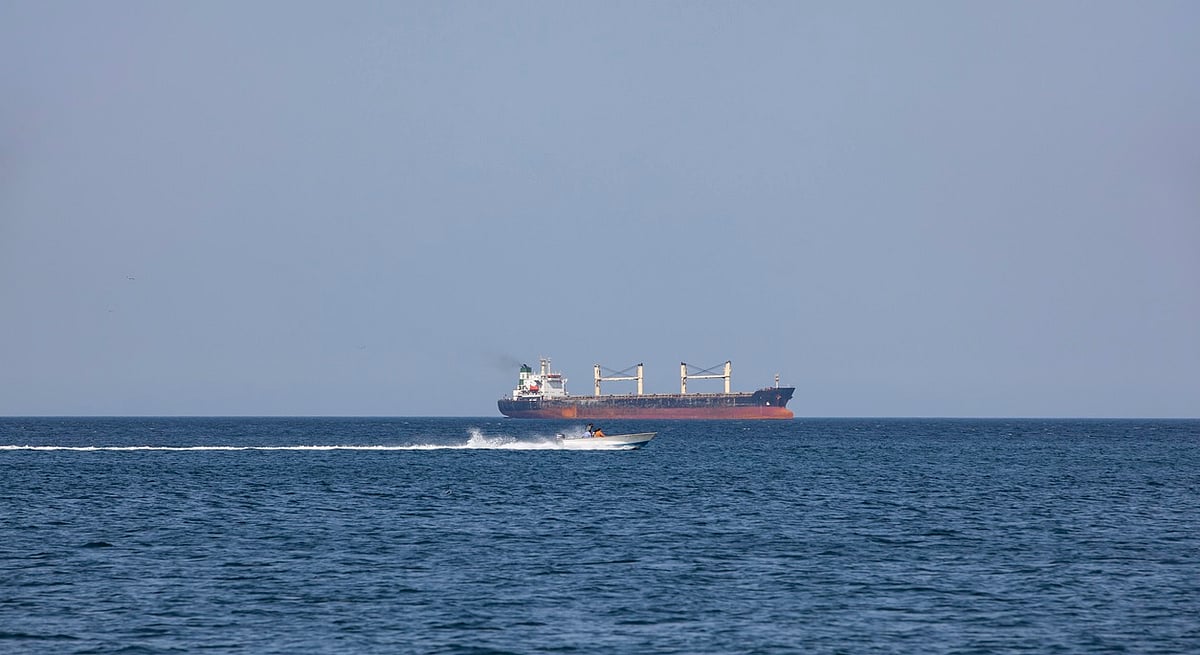
The escalating West Asia crisis and the effective closure of the Strait of Hormuz have sent shockwaves through Indian manufacturing. From steel and aluminium to textiles, chemicals, and beverages, the energy crisis is disrupting supply chains, inflating costs, and threatening India’s economic stability. For CLAT 2027 aspirants, this story sits at the intersection of international trade law, fundamental rights, and economic policy.
What Has Happened?
The ongoing conflict in West Asia has disrupted one of the world’s most critical maritime chokepoints — the Strait of Hormuz, through which approximately 20% of global oil supply transits. The immediate fallout for India includes:
- Surging freight rates — shipping costs have risen 40-60% on key routes
- Stock shortages — a Mumbai textile brand reports only 30 days of stock remaining
- Payment disruptions — banking channels for trade settlements face delays
- Fertilizer crisis — supply of Diammonium Phosphate (DAP) and Mono Ammonium Phosphate (MAP) disrupted, pushing prices up
- Aluminium sector impact — of India’s 450 aluminium extrusion companies, 250 are affected, with 90% being non-MSMEs
India imports 85% of its crude oil, making it acutely vulnerable to West Asian disruptions. The ripple effects touch GDP growth, inflation, fiscal deficit, and the current account balance.
Constitutional Framework
Article 301 — Subject to the other provisions of Part XIII, trade, commerce, and intercourse throughout the territory of India shall be free. This is the foundational guarantee for free trade within India.
Articles 302-304 — Parliament may by law impose restrictions on the freedom of trade, commerce, or intercourse between States or within any part of India (Art. 302). States may impose reasonable restrictions with Presidential assent (Art. 304).
Article 19(1)(g) — All citizens shall have the right to practise any profession, or to carry on any occupation, trade, or business. This right is subject to reasonable restrictions under Article 19(6).
CLAT Angle — How This Can Be Asked
- Reading Comprehension: Passage on India’s energy dependence and trade disruption with questions on inference, tone, and central argument
- Legal Reasoning: Scenario — Government imposes price controls on essential commodities during supply crisis. Test whether Essential Commodities Act 1955 overrides Art. 19(1)(g)
- Logical Reasoning: Cause-effect chain — Hormuz closure → crude price rise → input cost increase → inflation → CAD widening
- GK/Current Affairs: Direct questions on Art. 301, India’s oil import dependency (85%), DAP/MAP as fertilizers
Key Legislation: Essential Commodities Act, 1955
The Essential Commodities Act (ECA) 1955 empowers the Central Government to control the production, supply, and distribution of certain commodities it declares as essential. During supply chain disruptions like the current crisis:
- Government can fix maximum retail prices
- Can regulate or prohibit hoarding and black marketing
- Can control movement of goods between states
- Commodities covered include foodstuffs, fertilizers, petroleum products, and raw materials
The 2020 amendment to the ECA removed cereals, pulses, oilseeds, and onions from the list of essential commodities — but fertilizers, petroleum, and raw materials remain covered.
Key Facts at a Glance
| India’s crude oil import dependency | 85% |
| Strait of Hormuz — global oil share | ~20% of world supply |
| Aluminium extrusion companies in India | 450 (250 affected) |
| Freight rate increase | 40-60% on key routes |
| Fertilizers disrupted | DAP & MAP (phosphatic) |
| Essential Commodities Act | 1955 (amended 2020) |
Economic Impact Analysis
The disruption creates a multi-layered economic crisis:
- Inflation: Rising energy costs feed into wholesale and consumer price indices. Every $10/barrel rise in crude adds approximately 0.3-0.4% to CPI inflation.
- Current Account Deficit (CAD): Higher oil import bills widen the trade deficit. India’s oil import bill could rise by $15-20 billion annually.
- Fiscal Deficit: Government may need to increase fuel subsidies or cut excise duty, straining fiscal resources.
- GDP Growth: Higher input costs reduce manufacturing output and consumer spending, potentially shaving 0.5-1% off GDP growth.
Mnemonic: TRADE (Articles on Trade Freedom)
T — Three-Oh-One (Art. 301) — Freedom of trade throughout India
R — Restrictions by Parliament (Art. 302) — Parliament can restrict inter-state trade
A — Art. 303 — Restrictions on legislative powers of Union and States
D — Discriminatory taxes prohibited (Art. 304(a)) — States cannot discriminate against other states’ goods
E — Exceptions with Presidential assent (Art. 304(b)) — States can impose reasonable restrictions
Sectors Most Affected
The crisis has a differential impact across Indian industries:
- Steel: Rising coking coal and energy costs push up production costs by 8-12%
- Textiles: Raw material shortages and freight costs threaten export competitiveness; Mumbai brands running on 30-day stockpiles
- Chemicals: Petrochemical feedstock disruptions affect pharmaceuticals, plastics, and paints
- Agriculture: DAP and MAP shortages could impact Kharif sowing season if unresolved
- Aluminium: Energy-intensive smelting becomes costlier; 250 of 450 extrusion firms face margin squeeze
Way Forward
India’s response options include strategic petroleum reserve releases, diversifying energy sources, diplomatic engagement for de-escalation, and invoking ECA provisions to prevent hoarding. The crisis underscores the need for energy security as a pillar of national security policy.
[clat_quiz data-b64=”W3sicSI6ICJXaGljaCBBcnRpY2xlIG9mIHRoZSBJbmRpYW4gQ29uc3RpdHV0aW9uIGd1YXJhbnRlZXMgZnJlZWRvbSBvZiB0cmFkZSwgY29tbWVyY2UsIGFuZCBpbnRlcmNvdXJzZSB0aHJvdWdob3V0IEluZGlhPyIsICJvcHRpb25zIjogWyJBcnRpY2xlIDE5KDEpKGcpIiwgIkFydGljbGUgMzAxIiwgIkFydGljbGUgMzAyIiwgIkFydGljbGUgMzA0Il0sICJhbnN3ZXIiOiAxLCAiZXhwbGFuYXRpb24iOiAiQXJ0aWNsZSAzMDEgZ3VhcmFudGVlcyBmcmVlZG9tIG9mIHRyYWRlLCBjb21tZXJjZSwgYW5kIGludGVyY291cnNlIHRocm91Z2hvdXQgdGhlIHRlcnJpdG9yeSBvZiBJbmRpYS4ifSwgeyJxIjogIldoYXQgcGVyY2VudGFnZSBvZiBJbmRpYSdzIGNydWRlIG9pbCBpcyBpbXBvcnRlZD8iLCAib3B0aW9ucyI6IFsiNjUlIiwgIjc1JSIsICI4NSUiLCAiOTUlIl0sICJhbnN3ZXIiOiAyLCAiZXhwbGFuYXRpb24iOiAiSW5kaWEgaW1wb3J0cyBhcHByb3hpbWF0ZWx5IDg1JSBvZiBpdHMgY3J1ZGUgb2lsIHJlcXVpcmVtZW50cywgbWFraW5nIGl0IGhpZ2hseSB2dWxuZXJhYmxlIHRvIFdlc3QgQXNpYSBkaXNydXB0aW9ucy4ifSwgeyJxIjogIlRoZSBFc3NlbnRpYWwgQ29tbW9kaXRpZXMgQWN0IHdhcyBlbmFjdGVkIGluIHdoaWNoIHllYXI/IiwgIm9wdGlvbnMiOiBbIjE5NTAiLCAiMTk1NSIsICIxOTYwIiwgIjE5NjUiXSwgImFuc3dlciI6IDEsICJleHBsYW5hdGlvbiI6ICJUaGUgRXNzZW50aWFsIENvbW1vZGl0aWVzIEFjdCB3YXMgZW5hY3RlZCBpbiAxOTU1IHRvIGNvbnRyb2wgcHJvZHVjdGlvbiwgc3VwcGx5LCBhbmQgZGlzdHJpYnV0aW9uIG9mIGVzc2VudGlhbCBjb21tb2RpdGllcy4ifSwgeyJxIjogIldoaWNoIEFydGljbGUgZW1wb3dlcnMgUGFybGlhbWVudCB0byBpbXBvc2UgcmVzdHJpY3Rpb25zIG9uIGZyZWVkb20gb2YgdHJhZGUgYmV0d2VlbiBzdGF0ZXM/IiwgIm9wdGlvbnMiOiBbIkFydGljbGUgMzAxIiwgIkFydGljbGUgMzAyIiwgIkFydGljbGUgMzA1IiwgIkFydGljbGUgMzA3Il0sICJhbnN3ZXIiOiAxLCAiZXhwbGFuYXRpb24iOiAiQXJ0aWNsZSAzMDIgZW1wb3dlcnMgUGFybGlhbWVudCB0byBpbXBvc2UgcmVzdHJpY3Rpb25zIG9uIGZyZWVkb20gb2YgdHJhZGUsIGNvbW1lcmNlLCBhbmQgaW50ZXJjb3Vyc2UgYmV0d2VlbiBzdGF0ZXMgaW4gdGhlIHB1YmxpYyBpbnRlcmVzdC4ifSwgeyJxIjogIlRoZSBTdHJhaXQgb2YgSG9ybXV6IGNvbm5lY3RzIHRoZSBQZXJzaWFuIEd1bGYgd2l0aCB3aGljaCBib2R5IG9mIHdhdGVyPyIsICJvcHRpb25zIjogWyJSZWQgU2VhIiwgIkFyYWJpYW4gU2VhIiwgIkd1bGYgb2YgT21hbiIsICJJbmRpYW4gT2NlYW4iXSwgImFuc3dlciI6IDIsICJleHBsYW5hdGlvbiI6ICJUaGUgU3RyYWl0IG9mIEhvcm11eiBjb25uZWN0cyB0aGUgUGVyc2lhbiBHdWxmIHdpdGggdGhlIEd1bGYgb2YgT21hbiwgdGhyb3VnaCB3aGljaCBhYm91dCAyMCUgb2YgZ2xvYmFsIG9pbCBzdXBwbHkgcGFzc2VzLiJ9LCB7InEiOiAiREFQIGFuZCBNQVAgYXJlIHR5cGVzIG9mIHdoaWNoIGNvbW1vZGl0eT8iLCAib3B0aW9ucyI6IFsiU3RlZWwgYWxsb3lzIiwgIkNoZW1pY2FsIHNvbHZlbnRzIiwgIkZlcnRpbGl6ZXJzIiwgIlRleHRpbGUgZHllcyJdLCAiYW5zd2VyIjogMiwgImV4cGxhbmF0aW9uIjogIkRpYW1tb25pdW0gUGhvc3BoYXRlIChEQVApIGFuZCBNb25vIEFtbW9uaXVtIFBob3NwaGF0ZSAoTUFQKSBhcmUgcGhvc3BoYXRpYyBmZXJ0aWxpemVycyBjcml0aWNhbCBmb3IgSW5kaWFuIGFncmljdWx0dXJlLiJ9LCB7InEiOiAiQXJ0aWNsZSAxOSgxKShnKSBvZiB0aGUgQ29uc3RpdHV0aW9uIHByb3RlY3RzIHRoZSByaWdodCB0bzoiLCAib3B0aW9ucyI6IFsiRnJlZWRvbSBvZiBzcGVlY2giLCAiRnJlZWRvbSBvZiBhc3NlbWJseSIsICJQcmFjdGlzZSBhbnkgcHJvZmVzc2lvbiBvciBjYXJyeSBvbiB0cmFkZSIsICJGcmVlZG9tIG9mIG1vdmVtZW50Il0sICJhbnN3ZXIiOiAyLCAiZXhwbGFuYXRpb24iOiAiQXJ0aWNsZSAxOSgxKShnKSBndWFyYW50ZWVzIGFsbCBjaXRpemVucyB0aGUgcmlnaHQgdG8gcHJhY3Rpc2UgYW55IHByb2Zlc3Npb24sIG9yIHRvIGNhcnJ5IG9uIGFueSBvY2N1cGF0aW9uLCB0cmFkZSwgb3IgYnVzaW5lc3MuIn0sIHsicSI6ICJXaGljaCBBcnRpY2xlcyBkZWFsIHdpdGggU3RhdGUgcmVzdHJpY3Rpb25zIG9uIHRyYWRlIGFuZCBjb21tZXJjZT8iLCAib3B0aW9ucyI6IFsiQXJ0aWNsZXMgMzAzLTMwNCIsICJBcnRpY2xlcyAzMDUtMzA3IiwgIkFydGljbGVzIDMwOC0zMTAiLCAiQXJ0aWNsZXMgMzEyLTMxNCJdLCAiYW5zd2VyIjogMCwgImV4cGxhbmF0aW9uIjogIkFydGljbGVzIDMwMyBhbmQgMzA0IGRlYWwgd2l0aCByZXN0cmljdGlvbnMgb24gbGVnaXNsYXRpdmUgcG93ZXJzIG9mIFVuaW9uIGFuZCBTdGF0ZXMgcmVnYXJkaW5nIHRyYWRlIGFuZCBjb21tZXJjZS4ifSwgeyJxIjogIkhvdyBtYW55IGFsdW1pbml1bSBleHRydXNpb24gY29tcGFuaWVzIGV4aXN0IGluIEluZGlhIGFjY29yZGluZyB0byB0aGUgQWx1bWluaXVtIEV4dHJ1c2lvbiBBc3NvY2lhdGlvbj8iLCAib3B0aW9ucyI6IFsiMjUwIiwgIjM1MCIsICI0NTAiLCAiNTUwIl0sICJhbnN3ZXIiOiAyLCAiZXhwbGFuYXRpb24iOiAiQWNjb3JkaW5nIHRvIHRoZSBBbHVtaW5pdW0gRXh0cnVzaW9uIEFzc29jaWF0aW9uLCB0aGVyZSBhcmUgYXBwcm94aW1hdGVseSA0NTAgYWx1bWluaXVtIGV4dHJ1c2lvbiBjb21wYW5pZXMgaW4gSW5kaWEuIn0sIHsicSI6ICJBIHJpc2UgaW4gY3J1ZGUgb2lsIHByaWNlcyBkaXJlY3RseSBpbXBhY3RzIEluZGlhJ3M6IiwgIm9wdGlvbnMiOiBbIkNhcGl0YWwgYWNjb3VudCBzdXJwbHVzIiwgIkN1cnJlbnQgYWNjb3VudCBkZWZpY2l0IiwgIlJldmVudWUgZGVmaWNpdCBvbmx5IiwgIlByaW1hcnkgZGVmaWNpdCBvbmx5Il0sICJhbnN3ZXIiOiAxLCAiZXhwbGFuYXRpb24iOiAiUmlzaW5nIGNydWRlIG9pbCBwcmljZXMgaW5jcmVhc2UgSW5kaWEncyBpbXBvcnQgYmlsbCwgd2lkZW5pbmcgdGhlIGN1cnJlbnQgYWNjb3VudCBkZWZpY2l0IGFzIEluZGlhIGltcG9ydHMgODUlIG9mIGl0cyBjcnVkZSBvaWwuIn1d”]