

CURRENT AFFAIRS | 20 APRIL 2026
CLAT GK + CONSTITUTIONAL LAW & RELEVANT AREA
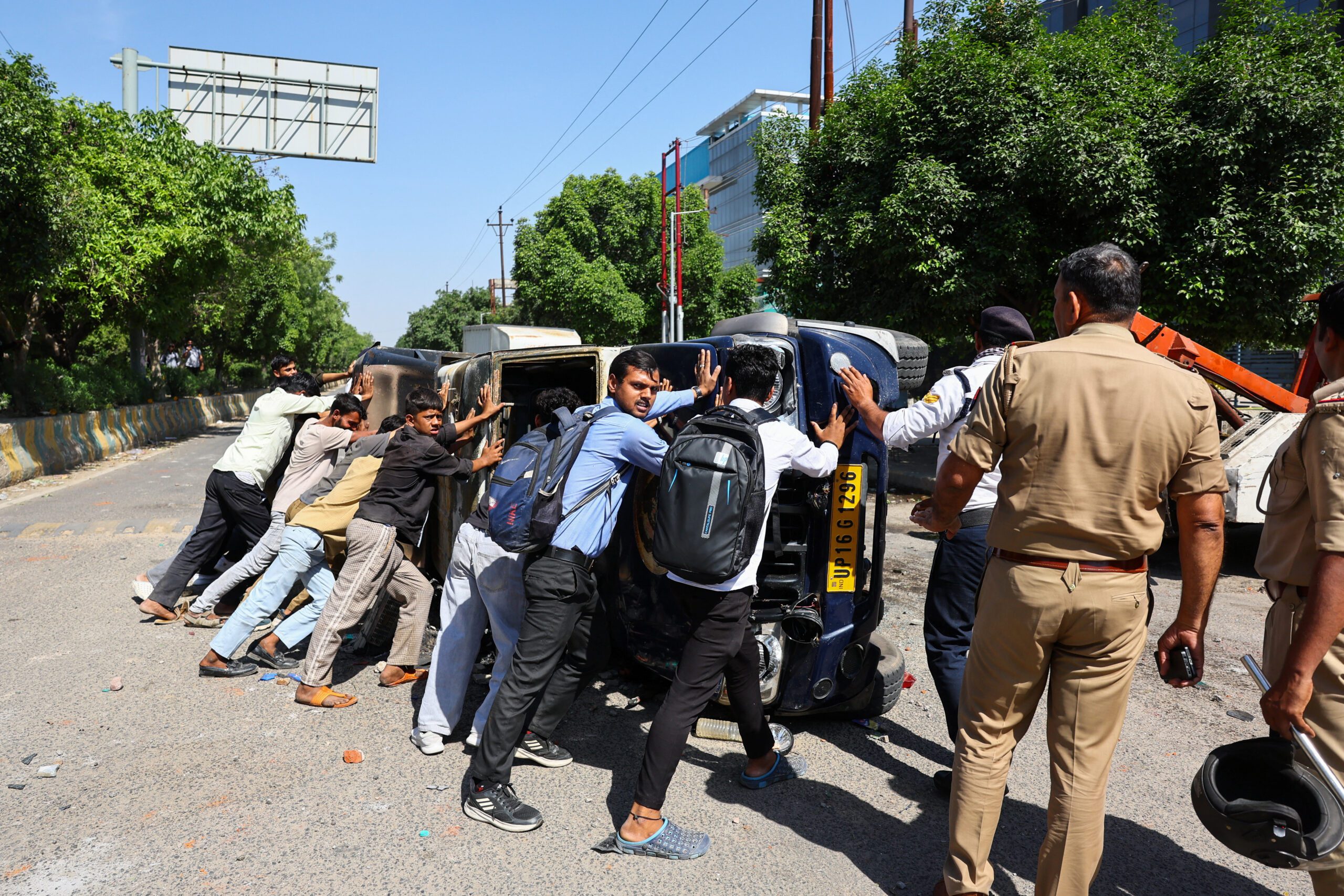
Nikhil Dey writes on The Ideas Page (20 April 2026) that the Noida worker violence on 13 April is NOT a law-and-order breakdown but a systemic dignity crisis. A Rs 10,000-15,000/month NCR wage is sub-minimum and, in the Supreme Court’s language, amounts to ‘forced labour’. The Four Labour Codes (2019-20) took effect 1 April 2026, formalising a pro-capital paradigm. The 8-hour day is eroding — Karnataka, Maharashtra, TN extended shifts. Police detained union leaders, strangling the safety valve. MGNREGA budget was frozen in 2026-27 despite inflation. The Anoop Satpathy Committee 2019 had recommended a floor wage of Rs 375/day — still unimplemented; the Centre set Rs 178/day.
Why it matters for CLAT: Art 23 prohibition of forced labour + Art 24 child labour + Art 43 living wage form the constitutional spine. The Supreme Court in PUDR v UoI (1982) held payment below minimum wage equals ‘forced labour’ under Art 23. The 2019-20 Labour Codes consolidated 29 central laws — lauded by industry, condemned by worker-rights groups.
Constitutional Framework
- Art 23 — prohibition of traffic in human beings and begar/forced labour
- Art 24 — prohibition of employment of children below 14 in hazardous work
- Art 39(a), (d), (e) — adequate livelihood, equal pay, protection of workers’ health
- Art 41 — right to work, to education and to public assistance
- Art 42 — just and humane conditions of work; maternity relief
- Art 43 — living wage and decent standard of life (DPSP)
- PUDR v UoI (1982) — sub-minimum wage is ‘forced labour’ under Art 23
- Bandhua Mukti Morcha (1984) — bonded labour bar under Art 23
- Code on Wages 2019 + IR Code 2020 + OSH Code 2020 + Social Security Code 2020 — consolidated 29 central labour laws
CLAT Angle — How This Gets Tested
- Reasoning–Principle: “Payment of wages below the statutory minimum amounts to forced labour prohibited under Art 23.” Question: a contractor pays Rs 10,000/month against a minimum of Rs 13,690 in NCR. Is Art 23 violated? — Yes, per PUDR (1982).
- Labour is in Concurrent List (Entry 22, 23, 24) — both Centre and State can legislate; in case of conflict, Union law prevails (Art 254).
- Minimum Wages Act 1948 is repealed — subsumed into the Code on Wages 2019 which introduces a ‘national floor wage’ binding on states.
- MGNREGA 2005 is a statutory right to 100 days of guaranteed employment — challenged budget cuts are justiciable under Art 21 (Swaraj Abhiyan-type PIL).
Key Facts
| Date of Violent Protest | 13 April 2026, Noida Phase 2 / Sectors 60, 62, 84 |
| Workers Participating | 40,000-45,000 across 80+ locations |
| NCR Monthly Wage (Actual) | Rs 10,000-15,000 (sub-minimum) |
| Revised UP Min Wage (post-protest) | Rs 13,690 unskilled / 15,059 semi-skilled / 16,868 skilled |
| Anoop Satpathy Committee 2019 Recommendation | Rs 375/day floor wage |
| Centre’s Actual Floor Wage | Rs 178/day |
| Four Labour Codes Effective Date | 1 April 2026 |
| Key Case Law | PUDR v UoI (1982); Bandhua Mukti Morcha (1984) |
Mnemonic
DIGNITY — Dey writes, Inflation-adjusted floor demanded, Gig workers trapped, Noida detentions, Industrial Relations Code, Twenty-thousand rent in NCR, Year of Labour Codes
Test Yourself — 10 MCQ Quiz
Practice Quiz — 10 CLAT-Style Questions
Click an option to reveal the answer and explanation.






