

CURRENT AFFAIRS | 28 APRIL 2026
CLAT GK + CONSTITUTIONAL LAW & RELEVANT AREA
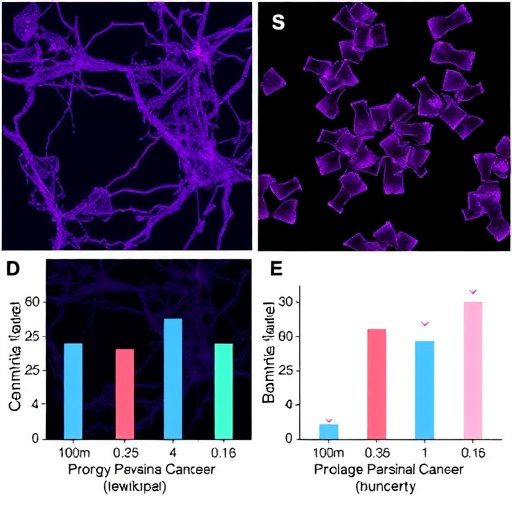
An Indian research team led by Dr Amit Dutt (AIIMS South Campus, Tata Memorial Hospital and Delhi University South Campus) has identified the CDKN1B gene as the missing driver of resistance to standard hormonal therapy in HR+ (hormone-receptor-positive) breast cancer — the most common form of the disease, accounting for roughly 70 per cent of India’s nearly 200,000 annual breast cancer cases. The discovery, published in the British Journal of Cancer, opens a path to personalised oncology: a simple test for CDKN1B status before therapy.
The mechanism: CDKN1B produces the p27 protein, a natural brake on cancer cell division. When CDKN1B is mutated or deleted, tumours stop responding to tamoxifen and similar drugs — the failure rate is roughly 40 per cent within months to years. The team’s mouse models show that adding a CDK4/6 inhibitor (palbociclib) to tamoxifen restores the response, giving clinicians a ready re-purposable combination.
⚖️ Constitutional & Legal Framework
- Article 21 — Right to Health is read into the Right to Life. Paschim Banga Khet Mazdoor Samity v State of WB (1996), State of Punjab v Mohinder Singh Chawla (1997).
- Article 47 (DPSP) — duty of the State to raise the level of nutrition and standard of living and to improve public health.
- Indian Council of Medical Research (ICMR) — apex biomedical research body under Department of Health Research, Ministry of Health & FW.
- Drugs and Cosmetics Act, 1940 + New Drugs and Clinical Trials Rules, 2019 — regulate drug approval, including biomarker-driven personalised medicine.
- National Medical Commission Act, 2019 — governs oncology curriculum and specialist training.
- Patents Act, 1970 (Section 3(d)) — Novartis v UoI (2013) — bars evergreening of pharmaceutical patents; relevant when CDK4/6 inhibitors come off-patent.
- Right to access affordable medicine — derives from Art 21 (Mohini Jain v State of Karnataka (1992) lineage applied to health).
📚 Why This Matters for CLAT 2027
This topic is a Science & Tech + Constitutional Rights crossover that CLAT increasingly tests. Static GK: CDKN1B (gene), p27 (protein), CDK4/6 inhibitors (drug class), British Journal of Cancer (publishing forum), Tata Memorial Hospital (Mumbai, the apex national cancer institute), Dr Amit Dutt (Principal Investigator, ACTREC).
Legal Reasoning: any passage on the right to access an experimental therapy will route through Article 21 + DPSP Article 47 + the State’s positive obligations. The Supreme Court’s recent jurisprudence on healthcare access (Common Cause v UoI 2018 on passive euthanasia and patient autonomy) is the doctrinal twin.
📊 Key Facts at a Glance
| Feature | Detail |
|---|---|
| Gene | CDKN1B (encodes p27 protein) |
| Cancer type | HR+ (hormone receptor positive) breast cancer |
| Indian incidence | ~200,000 cases/yr; ~70% are HR+ |
| Failure rate of hormonal therapy | ~40% within months to years |
| Failing drug | Tamoxifen (and similar SERMs) |
| Restoring combination | Tamoxifen + Palbociclib (CDK4/6 inhibitor) |
| Patient cohort studied | 186 patients (98 drug-resistant) |
| Lead investigator | Dr Amit Dutt (Tata Memorial / ACTREC) |
| Publishing journal | British Journal of Cancer (Nature group) |
| Constitutional anchor | Art 21 (Right to Health) + Art 47 DPSP |
🧠 Memory Hook
“CDK-1B BRAKES OFF — PALBOCICLIB ON”
C — CDKN1B gene · D — Drug-resistance driver · K — Knocks out p27 brake · 1B — One in seven women globally · BRAKES OFF — Tumour growth uncontrolled · PALBOCICLIB ON — CDK4/6 inhibitor combination restores response
The CDKN1B discovery shifts breast-cancer treatment from one-size-fits-all to biomarker-stratified personalised oncology, and demonstrates Indian research capacity at the global frontier. Watch for the National Cancer Grid (Tata Memorial-led) to operationalise CDKN1B testing across its 343 partner centres.
For CLAT, lock in the gene-protein-drug triad (CDKN1B → p27 → CDK4/6 inhibitor) and the constitutional architecture of the right to health. A passage asking whether the State must subsidise CDK4/6 inhibitors for HR+ patients is exam-ready material.
Practice Quiz — 10 CLAT-Style Questions
Click an option to reveal the answer and explanation.






