
CURRENT AFFAIRS | MARCH 28, 2026
CLAT GK + CONSTITUTIONAL LAW
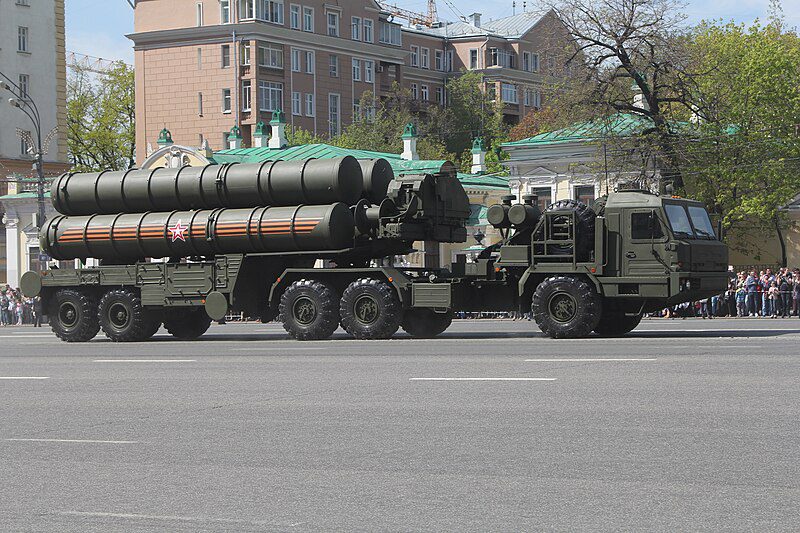
The Defence Acquisition Council (DAC), chaired by Defence Minister Rajnath Singh, approved capital acquisitions worth Rs 2.38 lakh crore in a single sitting — the largest-ever defence procurement clearance in India’s history. The acquisitions include additional S-400 Triumf air defence missile systems from Russia, indigenous Advanced Medium Combat Aircraft (AMCA), naval multi-role helicopters, and a range of precision-guided munitions and surveillance systems. The decision comes against the backdrop of heightened geopolitical tensions in the Middle East and India’s push to modernise its armed forces under the Atmanirbhar Bharat framework.
The S-400 component of the deal is particularly significant. India had previously contracted for five S-400 squadrons from Russia in 2018 for approximately $5.43 billion. The new acquisition adds further squadrons to bolster India’s integrated air defence network, particularly along the western and northern borders. The S-400 system, manufactured by Russia’s Almaz-Antey, can simultaneously track and engage multiple aerial threats at ranges up to 400 km, including ballistic missiles, aircraft, and drones. The procurement has diplomatic implications due to the US CAATSA (Countering America’s Adversaries Through Sanctions Act) 2017, which threatens sanctions against nations making significant defence purchases from Russia.
Constitutional & Legal Framework
- Article 53: Executive power of the Union vested in the President; supreme command of the Defence Forces vests in the President, exercised as per law.
- Article 246, Entry 1, Union List (List I): “Defence of India and every part thereof” is exclusively a Union subject.
- Article 352: National Emergency — President can proclaim emergency when India’s security is threatened by war, external aggression, or armed rebellion.
- Defence Acquisition Council (DAC): Apex body chaired by the Defence Minister; created in 2001 post-Kargil War reforms on recommendations of the Group of Ministers.
- Defence Acquisition Procedure (DAP) 2020: Replaced the Defence Procurement Procedure (DPP); categorises procurement into Buy (Indian-IDDM), Buy (Indian), Buy and Make (Indian), Buy and Make, Buy (Global), and Make categories.
- CAATSA 2017 (US law): Section 231 imposes sanctions on entities engaging in significant transactions with Russian defence sector. India received a presidential waiver consideration.
- Chief of Defence Staff (CDS): Post created January 2020 for inter-services integration; heads the Department of Military Affairs.
A significant portion of the Rs 2.38 lakh crore package is earmarked for indigenous platforms, reflecting the government’s push to achieve 75% domestic procurement by 2027. The Buy (Indian-IDDM) category — Indigenously Designed, Developed, and Manufactured — now accounts for over 68% of total capital expenditure approvals. The Advanced Medium Combat Aircraft (AMCA), a fifth-generation stealth fighter being developed by the Aeronautical Development Agency (ADA) and Hindustan Aeronautics Limited (HAL), received full development funding. The aircraft is expected to enter service by 2035 and will replace ageing MiG-29 and Jaguar fleets.
Why This Matters for CLAT 2027
Defence procurement is a recurring CLAT GK theme. Questions can test Article 53 (supreme command vesting in the President), Entry 1 of the Union List (defence as Union subject), Article 352 (National Emergency grounds), the DAC structure, DAP 2020 procurement categories, and the CAATSA diplomatic challenge. The topic also connects to India’s foreign policy — the strategic autonomy doctrine that allows India to purchase from Russia while maintaining a strong US partnership. Constitutional emergency provisions and their link to external aggression are high-probability CLAT questions.
The DAC’s decision also approved a comprehensive drone warfare strategy, including armed Medium Altitude Long Endurance (MALE) drones and counter-drone systems for forward deployments. This reflects the lessons learned from recent conflicts where unmanned systems have played decisive roles. The Indian Army’s requirement for loitering munitions and the Navy’s need for ship-launched unmanned combat aerial vehicles (UCAVs) were both addressed in the acquisition package. The entire procurement process will be governed under DAP 2020, which mandates a maximum timeline of 100 weeks from the Acceptance of Necessity (AoN) to contract signing.
Key Facts at a Glance
| What | DAC clears Rs 2.38 lakh crore in defence acquisitions |
| Key Items | Additional S-400 systems, AMCA, naval helicopters, drones, precision munitions |
| DAC Chair | Defence Minister Rajnath Singh |
| When | March 2026 |
| S-400 Manufacturer | Almaz-Antey (Russia) |
| Indigenous Share | 68% under Buy (Indian-IDDM) category |
| Legal Provisions | Article 53, Article 246 (Entry 1 List I), Article 352, DAP 2020, CAATSA 2017 |
Memory Mnemonic
SHIELD: S — S-400 Triumf from Russia (Almaz-Antey) | H — Highest-ever single DAC clearance (Rs 2.38L Cr) | I — Indigenous 68% under IDDM category | E — Entry 1, Union List (Defence) | L — Led by Defence Minister (DAC Chair) | D — DAP 2020 replaces DPP
Practice Quiz — 10 CLAT-Style Questions
Click an option to reveal the answer and explanation.