
CURRENT AFFAIRS | MARCH 28, 2026
CLAT GK + CONSTITUTIONAL LAW
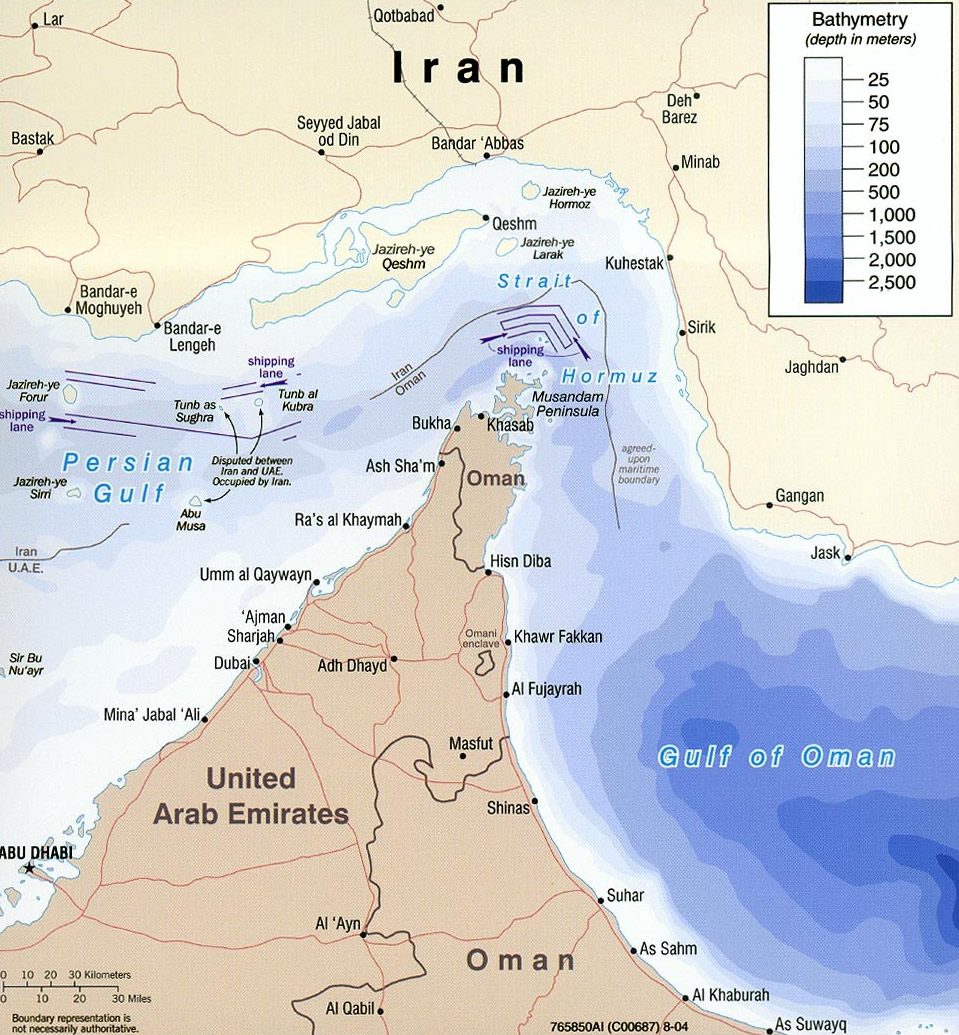
In a dramatic escalation of Middle Eastern tensions, military strikes targeted key Iranian nuclear facilities, including the uranium enrichment complexes at Natanz and Fordow. The strikes, reportedly involving advanced bunker-busting munitions, significantly damaged Iran’s nuclear infrastructure and have been described as the most consequential military action in the region since the 2003 Iraq War. Iran responded by threatening to close the Strait of Hormuz, the world’s most critical oil chokepoint, through which approximately 20-30% of global oil supply transits daily.
The crisis has sent shockwaves through global energy markets. Brent crude surged past $110 per barrel within hours of the strikes, and shipping insurers began reassessing risk premiums for tankers transiting the Persian Gulf. Iran’s Islamic Revolutionary Guard Corps (IRGC) deployed fast-attack boats and anti-ship missiles along the Strait’s 21-nautical-mile-wide corridor, though no commercial vessels had been targeted as of the latest reports. The United States deployed additional carrier strike groups to the region, while China and Russia called for emergency UN Security Council sessions.
Constitutional & Legal Framework
- Article 51 (Indian Constitution, DPSP): Directs the State to promote international peace and security, maintain just relations between nations, and foster respect for international law and treaty obligations.
- Article 2(4), UN Charter: Prohibits the threat or use of force against the territorial integrity of any state.
- Article 51, UN Charter: Recognises the inherent right of individual or collective self-defence if an armed attack occurs.
- Chapter VII, UN Charter: Empowers the Security Council to determine threats to peace and authorise collective action, including use of force.
- Nuclear Non-Proliferation Treaty (NPT) 1968: Iran is a signatory; India has neither signed nor ratified the NPT, considering it discriminatory.
- JCPOA (Iran Nuclear Deal) 2015: Signed between Iran and P5+1; US withdrew in 2018 under Trump; negotiations for revival have been ongoing.
- IAEA Statute: The International Atomic Energy Agency conducts nuclear safeguards and inspections to verify peaceful use of nuclear technology.
- UNCLOS (UN Convention on the Law of the Sea) 1982: Governs transit passage through international straits including the Strait of Hormuz.
For India, the crisis carries severe economic and strategic implications. India imports approximately 85% of its crude oil requirements, and any disruption to the Strait of Hormuz directly threatens energy security. The Indian Strategic Petroleum Reserve (SPR), maintained at Visakhapatnam, Mangalore, and Padur with a capacity of 5.33 million metric tonnes (approximately 10 days of import cover), provides limited buffer. The government activated its emergency energy response plan, coordinating with the International Energy Agency (IEA) on potential coordinated stock releases.
Why This Matters for CLAT 2027
This topic spans international law, constitutional law, and general knowledge. CLAT can test Article 51 of the Indian Constitution (DPSP on international peace), the UN Charter provisions on use of force (Article 2(4)) vs. self-defence (Article 51 of UN Charter — different from Article 51 of Indian Constitution), India’s NPT stance, the JCPOA framework, UNCLOS provisions on strait transit, and India’s energy dependence. The geopolitical analysis also connects to India’s foreign policy principles of strategic autonomy and multi-alignment.
India’s diplomatic response has been carefully calibrated. New Delhi issued a statement calling for “restraint by all parties” and the resolution of disputes through dialogue, consistent with its long-standing policy of strategic autonomy. India has maintained close ties with both Iran (through the Chabahar Port agreement and historical civilisational links) and Israel (a major defence and technology partner). The Ministry of External Affairs activated consular operations for the approximately 8,000 Indian nationals working in Iran, while Air India and other carriers suspended flights over Iranian airspace.
Key Facts at a Glance
| What | Military strikes on Iran’s Natanz and Fordow nuclear facilities; Hormuz crisis |
| Strait of Hormuz | Connects Persian Gulf to Gulf of Oman; 20-30% of global oil transits daily |
| When | March 2026 |
| India’s Oil Import Dependency | ~85% of crude oil requirements are imported |
| India’s NPT Position | Neither signed nor ratified (considers NPT discriminatory) |
| Legal Provisions | Art. 51 (Indian Constitution); Art. 2(4), Art. 51, Ch. VII (UN Charter); NPT 1968; JCPOA 2015; UNCLOS 1982 |
Memory Mnemonic
HORMUZ: H — Hormuz Strait (Persian Gulf to Gulf of Oman) | O — Oil (20-30% of global supply) | R — Right of self-defence (Art. 51, UN Charter) | M — Military strikes on Natanz & Fordow | U — UNCLOS governs transit passage | Z — Zero tolerance by India for NPT discrimination
Practice Quiz — 10 CLAT-Style Questions
Click an option to reveal the answer and explanation.