
CURRENT AFFAIRS | MARCH 30, 2026
CLAT GK + RIGHT TO PROTEST & JUDICIAL REVIEW
In a significant judicial observation on the right to protest and academic freedom, the Delhi High Court has questioned Delhi University’s blanket ban on student protests, observing that “there cannot be a blanket ban” under BNSS Section 163 (the successor to the widely-used CrPC Section 144). The bench headed by Chief Justice D.K. Upadhyaya raised fundamental questions about the proportionality of restrictions on campus dissent and the pre-conditions for invoking prohibitory orders.
What Happened?
Delhi University had imposed sweeping restrictions on student protests, including:
- A blanket ban on assemblies under Section 163 of BNSS (equivalent to Section 144 CrPC)
- New rules requiring 72-hour advance written notice for any protest or gathering
- Physical applications with complete speaker lists to be submitted in advance
- Warnings of suspension or rustication for violations
- Advisories against sharing protest-related content on social media
The restrictions were imposed during protests against the UGC’s draft Equity Regulations 2026, banning gatherings of five or more people on campus.
Delhi High Court’s Key Observations
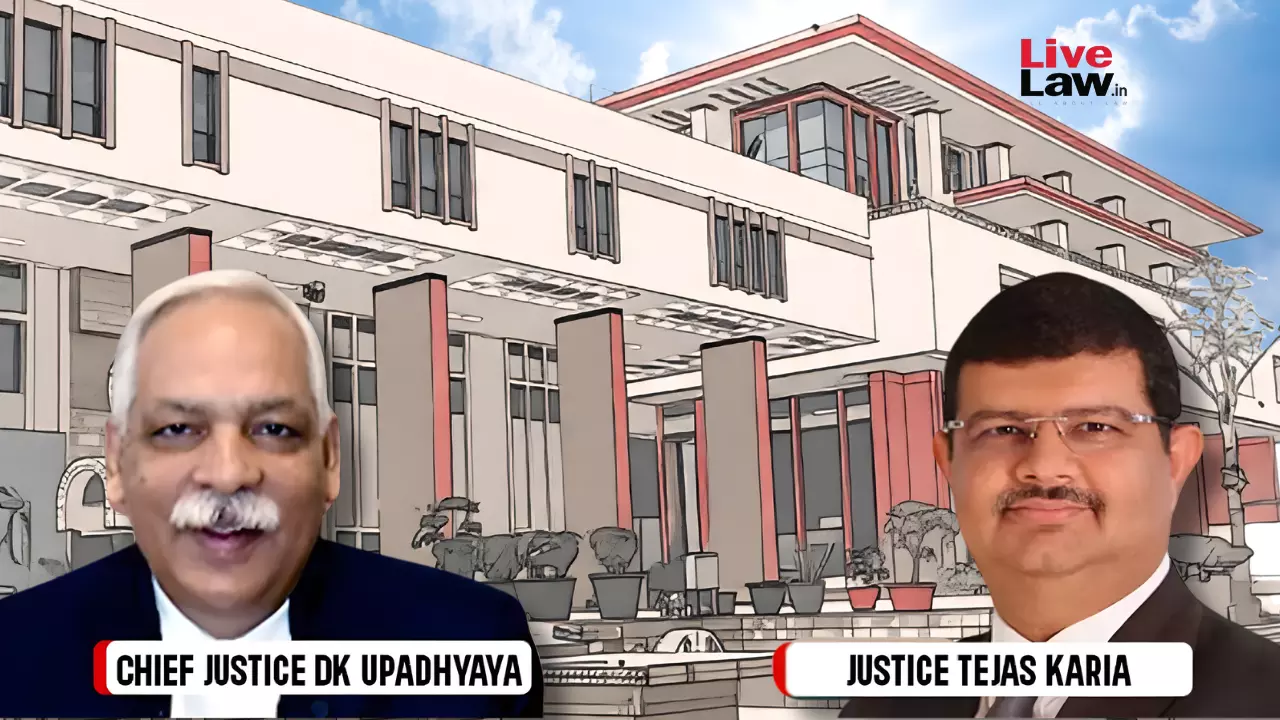
A bench of Chief Justice D.K. Upadhyaya and Justice Tejas Karia made several critical observations in the case of Uday Bhadoriya v University of Delhi & Ors:
- “There are pre-conditions before passing any order under BNSS Section 163” — the power cannot be exercised mechanically
- “There cannot be a blanket ban” — the language of DU’s directive appeared broad enough to include even peaceful gatherings
- If a Section 144 order was already in force, the University’s separate order was unnecessary — enforcement should have been left to police
- Individual liberties cannot be misused, but the court was examining the matter given it involves fundamental rights under Article 19
However, the Court refused to grant an interim stay on the ban, seeking replies from DU and Delhi Police within a week.
Constitutional Framework
- Article 19(1)(a) — Freedom of Speech: The right to express dissent, including through protests, is a core component of free speech.
- Article 19(1)(b) — Right to Assemble: Guarantees the right to assemble peaceably and without arms, subject to reasonable restrictions under Article 19(3) in the interests of public order.
- BNSS Section 163 (replaces CrPC Section 144): Empowers a District Magistrate to issue prohibitory orders in cases of urgent nuisance or apprehended danger. Key limitations — must be based on specific grounds, not a general or perpetual ban.
- Article 14 — Non-Arbitrariness: As held in E.P. Royappa v State of Tamil Nadu, arbitrariness is the antithesis of equality. A blanket ban without specific justification violates Article 14.
- Article 21 — Right to Life: The Supreme Court has recognized the right to protest as part of the right to life with dignity.
CLAT Exam Angle
This case is a treasure trove for CLAT 2027 preparation — it combines multiple high-frequency topics:
- New Criminal Laws: BNSS Section 163 replacing CrPC Section 144 — a staple in CLAT legal reasoning passages
- Right to Protest: Ramlila Maidan Incident v Home Secretary (2012) — Section 144 cannot suppress peaceful protests
- Proportionality Doctrine: Modern Dental College v State of MP (2016) and K.S. Puttaswamy v Union of India (2017) — restrictions must be proportionate to legitimate aims
- Academic Freedom: University campuses as spaces for democratic dissent — historically important from the Emergency era to anti-CAA protests
- Judicial Review: High Court’s power to examine executive orders restricting fundamental rights
Student Protests at DU: A Historical Context
Delhi University has been a crucible of student activism throughout India’s democratic history — from protests during the Emergency (1975-77) to anti-Mandal agitations (1990) to anti-CAA protests (2019-20). The University’s attempt to impose a blanket ban on this tradition raises serious constitutional concerns about the chilling effect on democratic participation.
BNSS Section 163 vs CrPC Section 144: What Changed?
The Bharatiya Nagarik Suraksha Sanhita (BNSS), which came into effect on 1 July 2024, replaced the Code of Criminal Procedure. Section 163 of BNSS largely mirrors Section 144 CrPC but includes some procedural changes. Critically, the provision still requires specific grounds and cannot be used as a general, indefinite prohibition on fundamental rights.
Key Facts at a Glance
| Case Name | Uday Bhadoriya v University of Delhi & Ors |
| Bench | CJ D.K. Upadhyaya & Justice Tejas Karia |
| Key Observation | “There cannot be a blanket ban” under BNSS S.163 |
| DU Protest Rules | 72-hour notice, physical application, full speaker lists |
| BNSS S.163 | Replaces CrPC S.144; prohibitory orders for urgent danger |
| Key Precedent | Ramlila Maidan v Home Secretary (2012) |
Mnemonic: “PROTEST” for Right to Protest Framework
P — Proportionality doctrine (Modern Dental College, Puttaswamy)
R — Ramlila Maidan precedent (S.144 cannot suppress peaceful protests)
O — Orders under BNSS S.163 need specific grounds
T — Twenty-four hours: initial limit for prohibitory orders
E — Equality (Art 14) — blanket bans are arbitrary
S — Speech + Assembly (Art 19(1)(a) and 19(1)(b))
T — Tejas Karia & CJ Upadhyaya bench
This case reinforces the principle that the right to protest is a fundamental right that cannot be extinguished through blanket prohibitory orders. For CLAT aspirants, understanding the interplay between BNSS provisions and fundamental rights guarantees — along with landmark precedents — is crucial for the Legal Reasoning section.
Practice Quiz — 10 CLAT-Style Questions
Click an option to reveal the answer and explanation.