CURRENT AFFAIRS | APRIL 7, 2026
CLAT GK + ENVIRONMENTAL LAW & CONSTITUTIONAL LAW
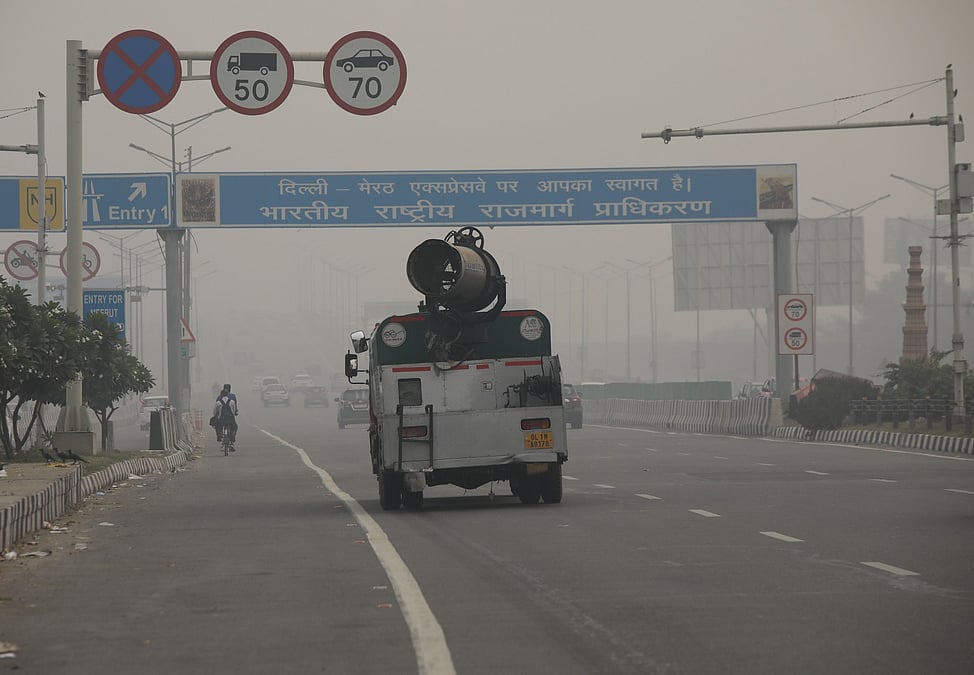
As Delhi braces for another pollution season, The Indian Express analyses the capital’s new comprehensive plan to achieve cleaner winters. The Commission for Air Quality Management (CAQM) and its Graded Response Action Plan (GRAP) form the backbone of this strategy, which encompasses structural reforms in waste management, stubble burning solutions, and transportation. The plan signals a shift from reactive crisis management to proactive, year-round pollution control.
Delhi’s air quality crisis has generated some of the most significant environmental jurisprudence in Indian legal history. From MC Mehta’s landmark petitions to the creation of the CAQM through a dedicated Act of Parliament in 2021, pollution control in the National Capital Region sits at the intersection of constitutional rights (Article 21), directive principles (Article 48A), fundamental duties (Article 51A(g)), and a robust body of environmental legislation. For CLAT aspirants, this is a goldmine of legal principles and landmark precedents.
Constitutional & Legal Framework
- Article 21: Right to Life — includes right to clean air (Subhash Kumar v. State of Bihar, 1991)
- Article 48A: DPSP — State shall protect and improve the environment (42nd Amendment)
- Article 51A(g): Fundamental Duty to protect and improve the natural environment
- CAQM Act, 2021: Commission for Air Quality Management in NCR and Adjoining Areas
- Environment Protection Act, 1986: Umbrella legislation for environmental protection
- National Green Tribunal Act, 2010: Specialised environmental tribunal
- Air (Prevention and Control of Pollution) Act, 1981
Right to Clean Air: Article 21 Jurisprudence
The Supreme Court’s expansive interpretation of Article 21 has been central to environmental protection in India. In Subhash Kumar v. State of Bihar (1991), the Court declared that the right to live in a pollution-free environment is part of the fundamental right to life. This landmark ruling transformed environmental protection from a mere policy directive into an enforceable fundamental right — giving citizens the legal standing to challenge governmental inaction on pollution.
The MC Mehta series of cases further strengthened this jurisprudence. Justice Mehta filed numerous public interest litigations addressing vehicular pollution, industrial emissions, and solid waste management in Delhi, resulting in transformative orders including the conversion of public transport to CNG, relocation of polluting industries, and the creation of monitoring mechanisms.
CAQM: From EPCA to Statutory Commission
The Commission for Air Quality Management was established through a dedicated Act of Parliament in 2021, replacing the EPCA (Environment Pollution Prevention and Control Authority) that had been functioning as a Supreme Court-mandated body since 1998. The CAQM has overriding powers over state governments in matters of air quality in the NCR and adjoining areas, making it a powerful instrument of environmental governance. Its jurisdiction extends to NCR and areas in Haryana, Punjab, Rajasthan, and Uttar Pradesh that are deemed to affect Delhi’s air quality.
GRAP: Graded Response Action Plan
GRAP operates on four stages based on Air Quality Index (AQI) levels: Stage I (Poor: 201-300), Stage II (Very Poor: 301-400), Stage III (Severe: 401-450), and Stage IV (Severe+: above 450). Each stage triggers progressively stringent measures — from dust control and construction restrictions to banning diesel vehicles and school closures. The new plan aims to implement pre-emptive actions before pollution levels deteriorate, rather than reactive measures after the crisis has begun.
Environmental Law Principles in Indian Jurisprudence
Two foundational principles shape India’s environmental law framework. In Vellore Citizens Welfare Forum v. Union of India (1996), the Supreme Court formally adopted the Precautionary Principle (the State must anticipate and prevent environmental harm) and the Polluter Pays Principle (the polluter must bear the cost of remediation). In Indian Council for Enviro-Legal Action v. Union of India (1996), the Court further reinforced absolute liability for environmental damage, building on the MC Mehta precedent of absolute liability from the Oleum Gas Leak case.
CLAT Exam Angle
- Constitutional Law: Art. 21 (right to clean air), Art. 48A (DPSP), Art. 51A(g) (fundamental duty)
- Landmark Cases: Subhash Kumar (1991), MC Mehta series, Vellore Citizens (1996), Indian Council for Enviro-Legal Action (1996)
- Environmental Principles: Precautionary Principle, Polluter Pays Principle, Absolute Liability, Public Trust Doctrine
- Legislation: EPA 1986, CAQM Act 2021, NGT Act 2010, Air Act 1981
- Current Affairs: GRAP stages, stubble burning solutions, CAQM overriding powers
Key Facts at a Glance
| Right to Clean Air | Article 21 (Subhash Kumar, 1991) |
| Environmental DPSP | Article 48A (42nd Amendment) |
| Environmental Duty | Article 51A(g) |
| CAQM Established | 2021 (replaced EPCA) |
| GRAP Stages | 4 stages (Poor → Severe+) |
| Precautionary Principle | Vellore Citizens (1996) |
Mnemonic: “SMVIC” — Environmental Law Landmark Cases
Subhash Kumar (1991) — Right to clean air under Art. 21
MC Mehta — Series of Delhi pollution cases, CNG conversion
Vellore Citizens (1996) — Precautionary & Polluter Pays Principles
Indian Council for Enviro-Legal Action (1996) — Absolute liability
CAQM Act 2021 — Statutory commission replacing EPCA
Practice Quiz — 10 CLAT-Style Questions
Click an option to reveal the answer and explanation.