
CURRENT AFFAIRS | APRIL 7, 2026
CLAT GK + INTERNATIONAL LAW & GEOPOLITICS
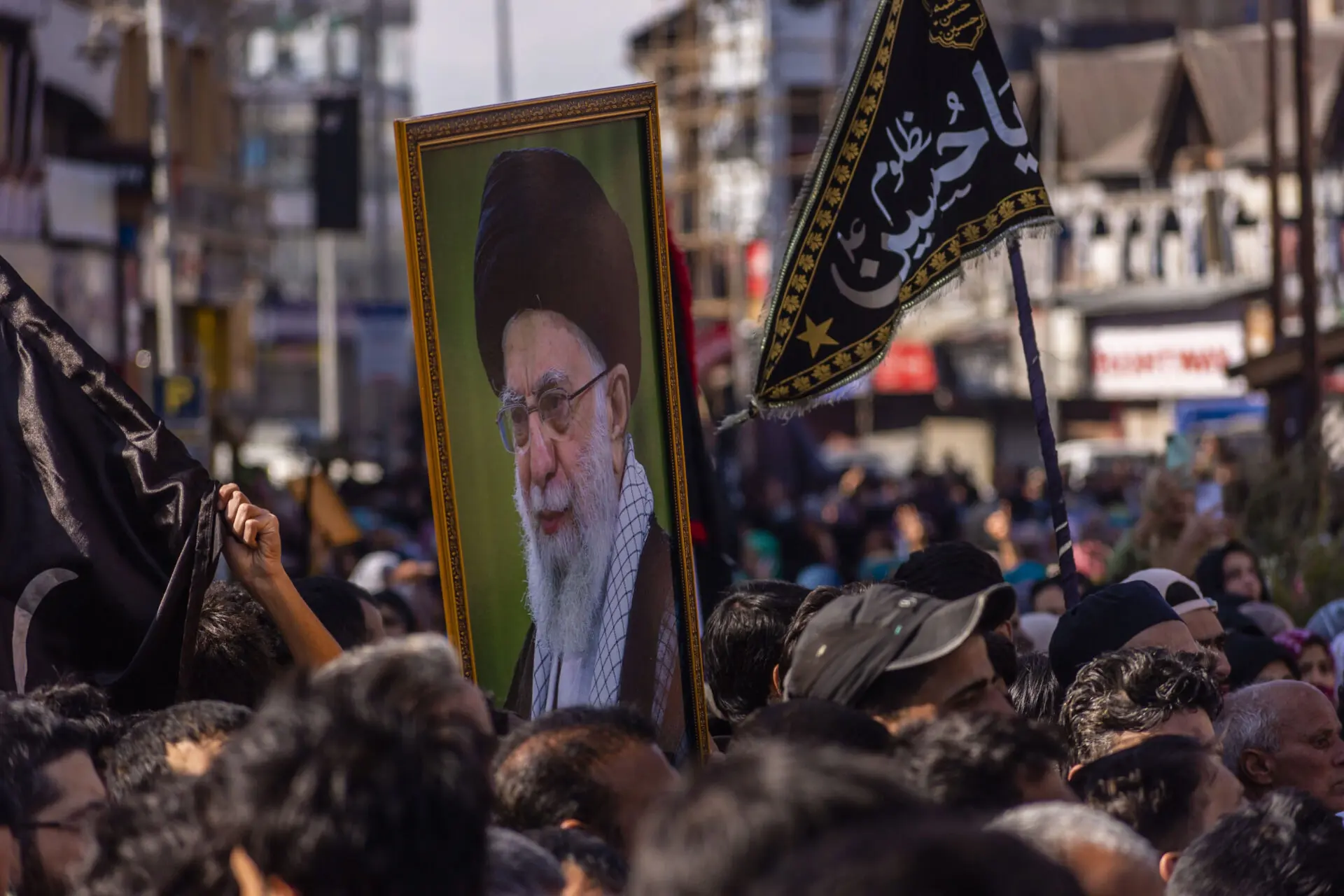
In a thought-provoking analysis on The Indian Express Ideas page, Gautam Mukhopadhyay argues that the United States and Israel fundamentally misunderstand Iran’s strategic depth, cultural resilience, and geographical advantages that make a military victory against Tehran nearly impossible. Drawing parallels to the failed campaigns in Afghanistan and Iraq, the analysis contends that Iran — with its 90 million population, extensive proxy networks, and strategic depth — presents a fundamentally different challenge from any previous US military engagement.
For CLAT aspirants, this geopolitical analysis opens up critical questions of international law: when is the use of force legitimate under the UN Charter? What distinguishes pre-emptive from preventive war? How do JCPOA obligations, NPT provisions, and UNSC resolutions create a legal framework around the Iran question? These issues sit at the intersection of international law and current affairs — both high-value areas for the CLAT examination.
International Legal Framework
- UN Charter Art. 2(4): Prohibition on threat or use of force against territorial integrity of any state
- UN Charter Art. 51: Inherent right of individual or collective self-defence against armed attack
- UN Charter Chapter VII (Art. 39, 41, 42): Security Council’s power to authorize sanctions and use of force
- JCPOA (2015): Iran Nuclear Deal — P5+1 agreement limiting Iran’s nuclear programme
- UNSC Resolution 2231: Endorsed JCPOA, framework for sanctions relief
- NPT: Nuclear Non-Proliferation Treaty — 5 recognized nuclear weapon states
- UNCLOS: Freedom of navigation — critical for Strait of Hormuz
The Legality of Force: Pre-emptive vs. Preventive War
International law draws a crucial distinction between pre-emptive and preventive war. Pre-emptive self-defence — responding to an imminent armed attack — has arguable legality under Article 51 of the UN Charter (the Caroline doctrine of 1837 requires the threat to be “instant, overwhelming, and leaving no choice of means”). Preventive war — attacking to prevent a future, non-imminent threat — has no basis in international law and is considered illegal under the UN Charter.
Any military action against Iran would face this legal test. Without an armed attack by Iran or imminent threat of one, unilateral military action would violate Article 2(4). Only the UN Security Council, under Chapter VII, can authorize the use of force for maintaining international peace — and Russia and China’s veto power makes such authorization virtually impossible in the Iranian context.
JCPOA and the Nuclear Framework
The Joint Comprehensive Plan of Action (JCPOA), signed in 2015 between Iran and the P5+1, was a landmark in nuclear diplomacy. Iran agreed to reduce its uranium enrichment capacity, limit centrifuges, and submit to IAEA inspections. In return, nuclear-related sanctions were lifted under UNSC Resolution 2231. The US withdrawal from JCPOA in 2018 and subsequent “maximum pressure” campaign has been a critical factor in the current tensions — raising questions about treaty obligations and the legal status of unilateral withdrawal from multilateral agreements.
The Strait of Hormuz: UNCLOS and Freedom of Navigation
Approximately 20% of the world’s oil passes through the Strait of Hormuz. Under UNCLOS, the strait falls under the regime of “transit passage” (Part III, Section 2) — meaning all ships and aircraft enjoy the right of transit passage that cannot be suspended. Iran’s periodic threats to close the strait raise fundamental questions of international maritime law. Any actual closure would constitute a violation of UNCLOS and could potentially be classified as a threat to international peace under Chapter VII.
India’s Constitutional Position: Article 51 DPSP
From India’s perspective, Article 51 of the Constitution (DPSP) directs the State to promote international peace and security, maintain just and honourable relations between nations, and foster respect for international law and treaty obligations. India’s position on Iran has consistently emphasised diplomatic solutions, reflecting this constitutional commitment to peaceful resolution of international disputes.
CLAT Exam Angle
- International Law: UN Charter Art. 2(4), Art. 51 — use of force and self-defence
- Legal Reasoning: Pre-emptive vs. preventive war distinction, proportionality principle
- Treaties: JCPOA (2015), NPT, UNCLOS, Geneva Conventions
- Indian Constitution: Art. 51 DPSP (international peace), Art. 253 (legislation for international agreements)
- Current Affairs: US-Iran tensions, IAEA inspections, Strait of Hormuz geopolitics, UNSC veto dynamics
Key Facts at a Glance
| JCPOA Signed | 2015 (P5+1 + Iran) |
| US Withdrawal from JCPOA | 2018 (Trump administration) |
| UNSC Resolution | 2231 (endorsed JCPOA) |
| Iran Population | ~90 million |
| Strait of Hormuz | ~20% of world oil transit |
| NPT Nuclear States | 5 (US, Russia, UK, France, China) |
Mnemonic: “JUNPS” — Iran International Law Framework
JCPOA — 2015 nuclear deal, P5+1
UNCLOS — Strait of Hormuz, transit passage
NPT — Non-Proliferation Treaty, 5 nuclear states
Pre-emptive vs. Preventive war — legal distinction
Security Council — Chapter VII, sole authority for force
Practice Quiz — 10 CLAT-Style Questions
Click an option to reveal the answer and explanation.