
CURRENT AFFAIRS | 2 MAY 2026
CLAT GK + CONSTITUTIONAL LAW & RELEVANT AREA
India and Bangladesh have resumed full-scale visa operations after nearly two years of restricted movement that began with the political upheaval of August 2024, when Sheikh Hasina was ousted from Dhaka. The collapse in throughput is striking: the Indian mission in Dhaka, which issued 69,684 visas to Bangladeshis in 2024, processed only 63,380 in 2025 and a mere 5,197 in the first quarter of 2026 before the recent reopening. Since February 20, 2026, however, the mission has issued more than 13,000 visas — a clear signal that bilateral mobility is finally normalising.
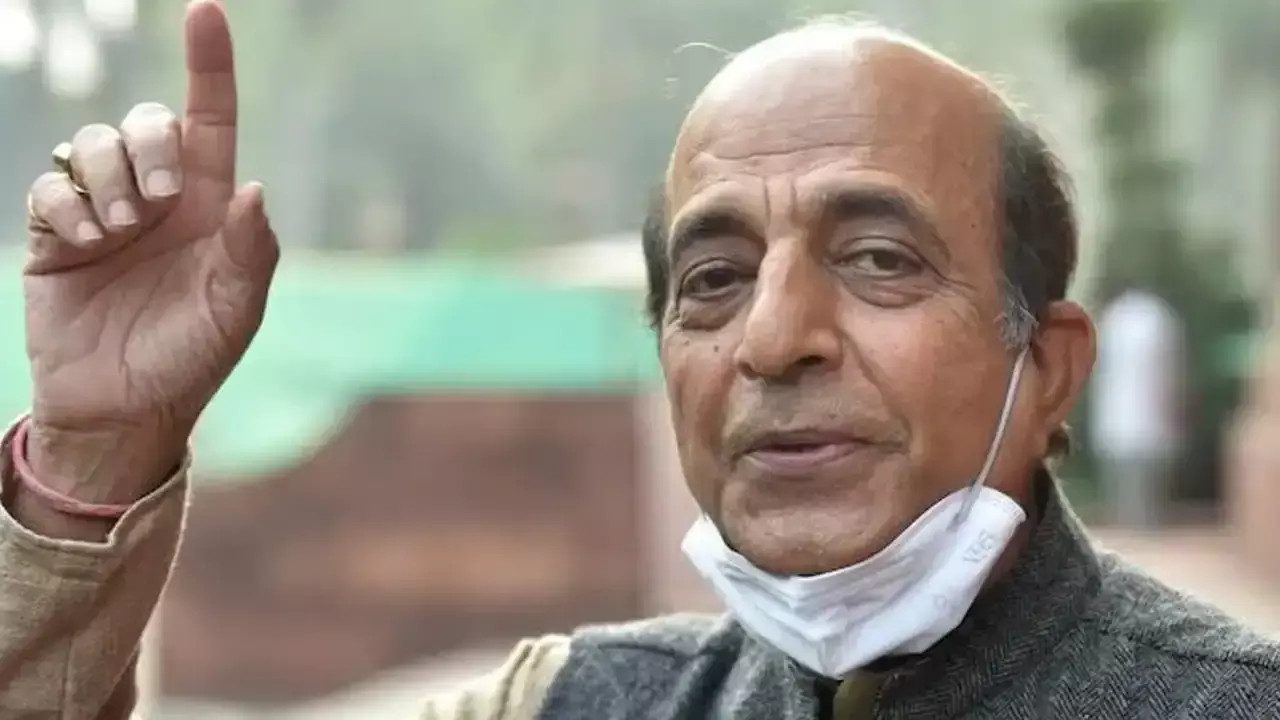
The political opening came when Bangladesh’s Foreign Minister Khalilur Rahman raised the issue during his visit to India last month. Delhi has now appointed Dinesh Trivedi as the new High Commissioner to Bangladesh, replacing the previous incumbent, and the Yunus interim government under Prime Minister Tarique Rahman of the Bangladesh Nationalist Party (BNP) has been receptive to a measured restart. The reset is significant for India’s “Neighbourhood First” policy, the constitutional law of citizenship and the legal framework that governs movement of foreigners on Indian soil.
The legal architecture that makes this possible is dense and exam-friendly. The Foreigners Act, 1946 regulates entry, stay and exit; the Citizenship Act, 1955 governs acquisition and termination of Indian citizenship; the Land Boundary Agreement, 1974 (operationalised via the 100th Constitutional Amendment in 2015) demarcates the 4,096-km border; the Ganga Water Treaty, 1996 manages a 30-year-old water-sharing arrangement; and SAARC, founded in Dhaka in 1985, remains the regional umbrella. For CLAT 2027 aspirants, the Dhaka-Delhi reset is the rare current-affairs item that lets you stitch together international relations, treaty law, citizenship, and India’s constitutional foreign-policy tools in one passage.
Constitutional & Legal Framework
- Foreigners Act, 1946 — entry, stay and exit of non-citizens.
- Citizenship Act, 1955 — acquisition (birth/descent/registration/naturalisation) and termination.
- Land Boundary Agreement, 1974 — Indira-Mujib pact; ratified through the 100th Constitutional Amendment, 2015.
- Ganga Water Treaty, 1996 — 30-year water-sharing pact.
- SAARC — established Dhaka, 1985 (7 founding members).
- “Neighbourhood First” — India’s framework policy for South Asia.
CLAT Angle — Why This Matters
- India–Bangladesh ties are an evergreen GK + IR area; Hasina ouster (Aug 2024) is a likely date-based question.
- The 100th Constitutional Amendment (LBA) is one of the most-tested polity-IR cross-links.
- Foreigners Act vs Citizenship Act distinction: regulation of stay vs grant of citizenship.
- SAARC, 1985, Dhaka — easy 1-mark factual.
Key Facts at a Glance
| Item | Figure / Fact |
|---|---|
| Indian visas issued in Dhaka (2024) | 69,684 |
| 2025 | 63,380 |
| Jan–Mar 2026 | 5,197 |
| Since Feb 20, 2026 | >13,000 |
| New HC to Bangladesh | Dinesh Trivedi |
| Bangladesh PM | Tarique Rahman (BNP) |
Mnemonic
FCLG-SN — Foreigners Act 1946, Citizenship Act 1955, LBA 1974/100th Amdt 2015, Ganga Treaty 1996; SAARC 1985, Neighbourhood First. Six pillars of India–Bangladesh law.
Practice Quiz — 10 CLAT-Style Questions
Click an option to reveal the answer and explanation.