
CURRENT AFFAIRS | 31 MARCH 2026
CLAT GK + COMMERCIAL LAW & CONSTITUTIONAL LAW
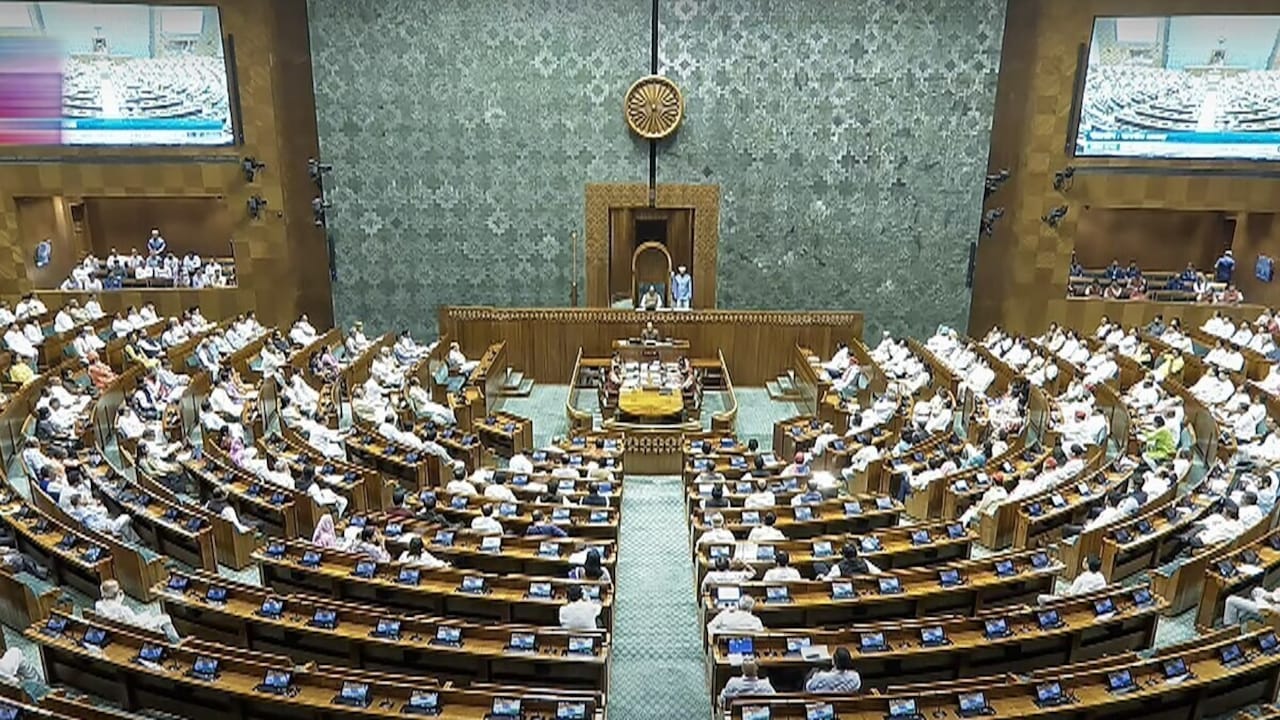
The Lok Sabha has passed the Insolvency and Bankruptcy Code (Amendment) Bill 2025, incorporating 12 amendments recommended by the Select Committee. Finance Minister Nirmala Sitharaman emphasized that “The Code was not meant to function merely as a debt recovery mechanism but as a framework to save viable businesses.” This amendment strengthens the IBC’s resolution process, CoC powers, and liquidation efficiency.
What Does the Amendment Change?
The IBC Amendment Bill 2025 introduces key reforms to address bottlenecks in the insolvency resolution process:
- Strengthened liquidation process: Clearer timelines and procedures for when resolution fails.
- Enhanced CoC (Committee of Creditors) powers: Greater authority for financial creditors in decision-making during the Corporate Insolvency Resolution Process (CIRP).
- Resolution process efficiency: Measures to reduce delays that have plagued NCLT proceedings.
- 12 amendments recommended by the Select Committee were incorporated into the final Bill.
Background: The IBC Framework
The Insolvency and Bankruptcy Code 2016 was enacted to consolidate India’s fragmented insolvency laws into a single, time-bound framework. Before the IBC, insolvency resolution took an average of 4.3 years. The IBC aimed to bring this down to 180-330 days.
Constitutional & Legal Framework
- Article 19(1)(g): Right to practice any profession or carry on any occupation, trade, or business. The IBC must balance creditor rights with the debtor’s right to livelihood.
- Article 14: Right to equality — the IBC must treat similarly placed creditors equally (operational vs. financial creditors distinction has been challenged on this ground).
- Article 300A: Right to property — no person shall be deprived of property save by authority of law. Relevant when corporate debtors lose control of assets during CIRP.
- Swiss Ribbons v. UOI (2019): Supreme Court upheld the constitutional validity of the IBC, holding it does not violate Articles 14, 19(1)(g), or 300A.
- Essar Steel India v. Satish Kumar Gupta (2019): SC upheld CoC’s commercial wisdom in approving resolution plans — NCLT/NCLAT cannot substitute their judgment.
- IBC 2016: The parent legislation establishing NCLT as adjudicating authority, IBBI as regulator.
- SARFAESI Act 2002: Pre-IBC secured creditor enforcement mechanism — now works alongside IBC.
Why This Matters for CLAT 2027
- Legal Reasoning: Creditor vs. debtor rights is a favourite CLAT passage topic. Expect questions on whether the IBC favours financial creditors over operational creditors (Art. 14 challenge).
- GK Section: NCLT/NCLAT structure, IBBI (Insolvency and Bankruptcy Board of India), CoC composition, CIRP timeline — all high-probability factual questions.
- Constitutional Law: Swiss Ribbons is a must-know case — it addresses Art. 14, 19(1)(g), and 300A challenges to the IBC.
- Application: Understanding why FM called it “not a debt recovery mechanism” — the IBC prioritizes business rescue over liquidation.
Key Facts at a Glance
| Bill | Insolvency & Bankruptcy Code (Amendment) Bill 2025 |
| Passed In | Lok Sabha |
| Amendments | 12 (recommended by Select Committee) |
| Parent Act | IBC 2016 |
| Adjudicating Authority | NCLT (National Company Law Tribunal) |
| Appellate Authority | NCLAT (National Company Law Appellate Tribunal) |
| Regulator | IBBI (Insolvency and Bankruptcy Board of India) |
| Key Case | Swiss Ribbons v. UOI (2019) — upheld IBC validity |
Mnemonic: SWISS
- S — Swiss Ribbons (constitutional validity upheld)
- W — Wisdom of CoC (commercial wisdom doctrine from Essar Steel)
- I — IBC 2016 (parent legislation)
- S — SARFAESI 2002 (complementary secured creditor law)
- S — Sitharaman (“save viable businesses, not debt recovery”)
Practice Quiz
Practice Quiz — 10 CLAT-Style Questions
Click an option to reveal the answer and explanation.