
CURRENT AFFAIRS | 21 APRIL 2026
CLAT GK | PUBLIC HEALTH | ARTICLE 47 DPSP | COTPA & WHO FCTC
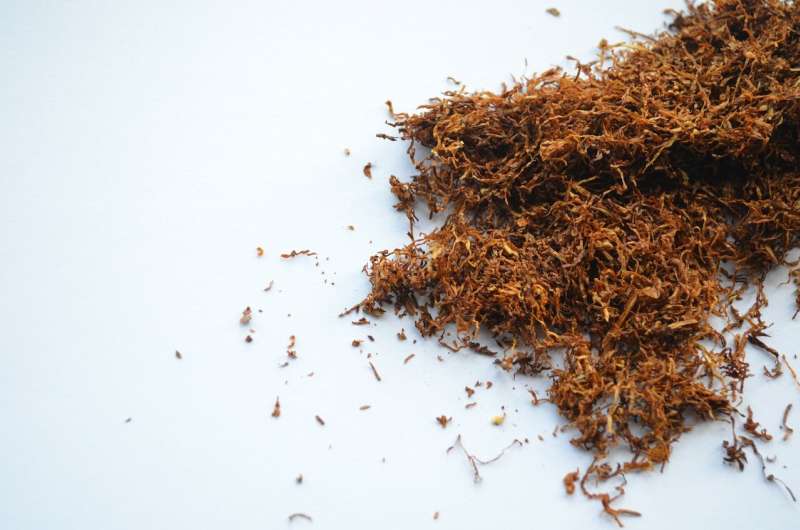
A new economic analysis published in the open-access journal BMJ Global Health — authored by researchers at ICMR-NICPR (Noida) and TISS (Mumbai) — finds that if Indian households quit tobacco, roughly 20.49 million households could rise at least one economic class. Breaking it down: 17 million rural and 3.5 million urban households would see tangible improvements in nutrition, healthcare access and educational spending.
The study estimates that 10.6% of Indian households spend 6.4% of income on tobacco — with the poorest households spending 6.4% while the richest spend only ~2%. Tobacco is, in effect, a regressive tax paid voluntarily by the poor to an industry that profits from their addiction.
Key Facts at a Glance
| Metric | Figure |
|---|---|
| Households spending on tobacco | 10.6% (20.49 million) |
| Household income share on tobacco | 6.4% |
| Tobacco-attributable deaths/year | ~1.35 million |
| Cancer share attributable to tobacco | ~27% of all cancers in India |
| Global smokeless tobacco burden | ~70% of global total (India) |
| Youth (13-15 yrs) tobacco use (GYTS) | 8.5% |
Constitutional & Statutory Framework
- Article 47 of the Constitution (DPSP) — directs the State to raise the level of nutrition and the standard of living, and “in particular to bring about prohibition of the consumption except for medicinal purposes of intoxicating drinks and of drugs which are injurious to health.” Tobacco control policy derives its constitutional heartbeat from this provision.
- Article 21 — the right to life and personal liberty, read to include the right to health and a pollution-free environment (Vincent Panikurlangara v Union of India, 1987).
- COTPA 2003 — the Cigarettes and Other Tobacco Products (Prohibition of Advertisement and Regulation of Trade and Commerce, Production, Supply and Distribution) Act. Prohibits advertisement, public smoking, sales to minors, sales near educational institutions, and mandates pictorial health warnings.
- WHO Framework Convention on Tobacco Control (FCTC) — first global public health treaty under WHO auspices. India ratified on 5 February 2004, among the first signatories. Implementing obligations flow through Article 253 of the Constitution.
- PECA 2019 — the Prohibition of Electronic Cigarettes Act — bans production, manufacture, import, export, transport, sale, distribution, storage and advertisement of e-cigarettes and vaping devices.
- Murli S Deora v Union of India (2001) — the Supreme Court held that smoking in public places violates the Article 21 rights of non-smokers and directed prohibition of public smoking.
- Cigarettes and Tobacco Products (Packaging and Labelling) Rules, 2008 — mandate pictorial warnings covering 85% of both sides of all tobacco product packaging (upheld in Health for Millions v Union of India, 2017).
Arguments: Policy Levers to Close the Gap
The authors case: Tobacco control must be integrated into flagship poverty, nutrition and livelihood programmes — MGNREGA, PM-KISAN, Poshan Abhiyaan, National Health Mission — rather than remaining siloed within the health ministry. The logic: a rural labourer spending 6.4% of income on beedis is one counselling intervention away from crossing the poverty line.
The fiscal dimension: Higher excise/GST on tobacco products is WHO FCTC Article 6s priority tool — India is currently below the WHO-recommended 75% tax-share-of-retail-price threshold for most tobacco categories, particularly bidis and smokeless products.
The political economy challenge: The tobacco sector supports approximately 45.7 million livelihoods (farming, bidi-rolling, retail). Any reform must pair demand-reduction with crop diversification and alternative livelihoods — a task for the Ministry of Agriculture working with state governments, a State-List subject under Entry 14.
Mnemonic
SMOKE — State duty (Article 47), Murli Deora (2001), One-point-three-five million deaths, Key law COTPA 2003 + PECA 2019, Eighty-five percent pictorial warnings.
CLAT 2027 Angle — What to Memorise
- Article 47 is the most frequently tested DPSP on health policy MCQs — know the exact language about “intoxicating drinks” and “drugs injurious to health.”
- COTPA 2003 vs PECA 2019 — COTPA regulates; PECA prohibits outright (e-cigarettes). The distinction is a classic trap.
- Murli S Deora v UoI (2001) — seminal public-smoking case; often paired with Vincent Panikurlangara (1987) on right-to-health jurisprudence under Article 21.
- WHO FCTC — first public health treaty under WHO; India ratified 2004; implementing power under Article 253.
- Pictorial warnings rule: 85% on both sides — upheld in Health for Millions v UoI, 2017.
- Federalism wrinkle: public health is a State subject (Entry 6, State List), but tobacco control has been centralised via the Union Lists residual and treaty-implementation powers — prime passage-style question territory.
Test Your Understanding — 10 MCQs
Apply what you just read. Explanations appear after each answer.
Practice Quiz — 10 CLAT-Style Questions
Click an option to reveal the answer and explanation.