
INTERNATIONAL LAW & DEFENCE
The Hindu & Indian Express — April 3, 2026
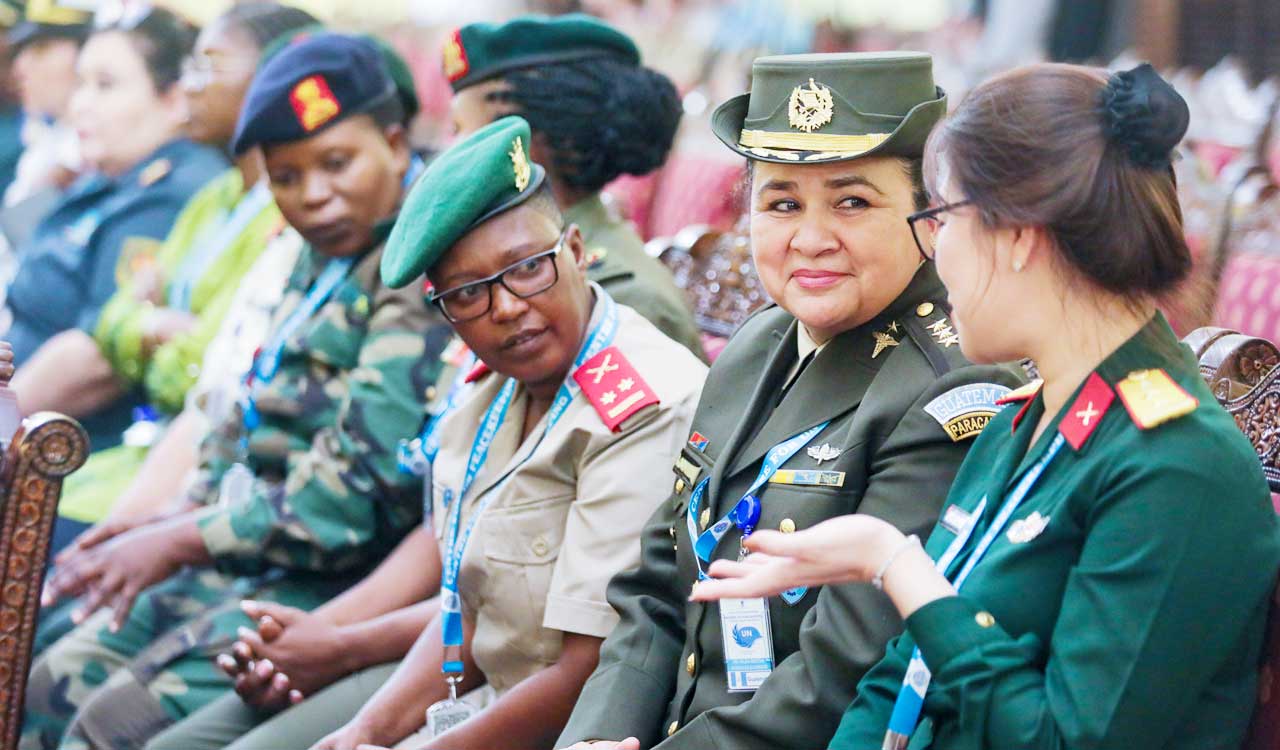
India has strongly condemned attacks on UNIFIL (United Nations Interim Force in Lebanon) peacekeepers, with Defence Minister Rajnath Singh emphasizing the inviolability of UN peacekeepers’ safety and security. The statement invoked UNSC Resolution 1701, which governs the ceasefire in Lebanon and UNIFIL’s expanded mandate.
In a separate but significant development, Rajnath Singh issued a stern warning to Pakistan, stating that “any misadventure could invite decisive action.” He also chaired an Inter-ministerial Group of Ministers (IGoM) meeting emphasizing constant vigil given the West Asia conflict’s impact on India’s strategic interests. While military supplies from Israel may face delays, HAL CMD assured that India has sufficient reserves for approximately one year.
Constitutional & International Law Framework
- Article 51: Directive Principle obligating India to foster respect for international law and treaty obligations, including protection of UN peacekeepers
- UN Charter — Chapter VI: Pacific Settlement of Disputes — forms the basis for UN peacekeeping operations
- UN Charter — Chapter VII: Action with Respect to Threats to Peace — authorizes enforcement action by the Security Council
- UNSC Resolution 1701 (2006): Called for cessation of hostilities in Lebanon and expanded UNIFIL’s mandate to 15,000 troops
- Geneva Conventions (1949): Establish protections for persons in armed conflict, including humanitarian workers
- International Humanitarian Law (IHL): Limits effects of armed conflict and protects non-combatants
CLAT Exam Perspective
This is a high-value topic for CLAT 2027 as it combines International Law, Directive Principles, and India’s foreign policy. Expect passage-based questions on:
- The legal status of UN peacekeepers under international law
- The distinction between Chapter VI (pacific settlement) and Chapter VII (enforcement) of the UN Charter
- India’s constitutional obligation under Art. 51 to promote international peace
- The concept of diplomatic immunity and its limits
Tip: CLAT frequently tests whether students can distinguish between binding UNSC resolutions (Chapter VII) and recommendatory ones (Chapter VI).
Key Facts at a Glance
| UNIFIL Full Form | United Nations Interim Force in Lebanon |
| Established | 1978 (expanded by Res. 1701 in 2006) |
| Key UNSC Resolution | Resolution 1701 |
| Defence Minister | Rajnath Singh |
| IGoM Focus | West Asia war impact on India |
| HAL Supply Buffer | Approximately 1 year |
CLAT Mnemonic: “U-R-G-I”
U — UNIFIL peacekeepers under attack in Lebanon
R — Rajnath Singh’s stern warning to Pakistan
G — Geneva Conventions protect persons in armed conflict
I — IGoM chaired to address West Asia crisis impact
Remember: “URGI — India URGently responded to protect peace!”
India’s Role in UN Peacekeeping
India is one of the largest contributors to UN peacekeeping operations globally, having deployed over 275,000 personnel in 49 missions across the world. India’s strong stance on UNIFIL reflects its deep commitment to the rules-based international order and the safety of peacekeeping personnel — a commitment rooted in the constitutional mandate of Article 51.
Test Your Knowledge
Practice Quiz — 10 CLAT-Style Questions
Click an option to reveal the answer and explanation.