
April 3, 2026 — Parliamentary Affairs
The Central Armed Police Forces (CAPF) Bill passed by voice vote in Lok Sabha amid opposition walkout. Key constitutional provisions: Art. 312, Entry 2A Union List, Art. 355, and parliamentary procedure.
What Happened?
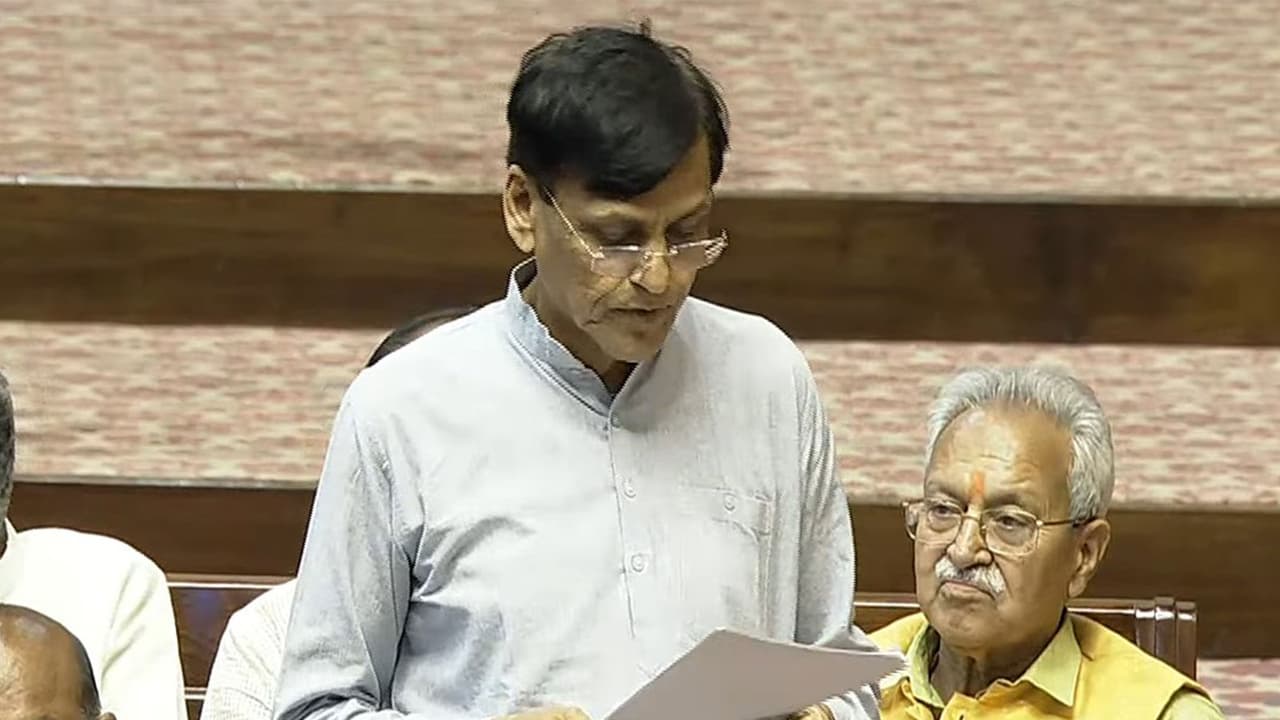
The Central Armed Police Forces (CAPF) Bill was passed by the Lok Sabha through a voice vote. The Bill deals with the restructuring of India’s five Central Armed Police Forces — CRPF, BSF, CISF, ITBP, and SSB — aiming to rationalize service conditions and create parity among these forces.
Opposition parties, including the Indian National Congress, staged a walkout in protest. Congress leader Rahul Gandhi called the Bill an “injustice to paramilitary forces,” arguing that the restructuring does not adequately address the concerns of CAPF personnel regarding pay parity and service conditions.
Constitutional and Legal Framework
Constitutional Provisions
- Article 312 (All-India Services): Empowers Parliament to create new All-India Services if Rajya Sabha passes a resolution by a two-thirds majority. While CAPFs are not All-India Services, this article provides the constitutional basis for centrally organized forces.
- Entry 2A of Union List (Seventh Schedule): Added by the 42nd Amendment, it covers the “deployment of any armed force of the Union or any other force subject to the control of the Union in any State in aid of the civil power.” This is the constitutional basis for CAPF deployment.
- Article 355: Places a duty on the Union to protect every State against external aggression and internal disturbance, which is the fundamental rationale for maintaining CAPFs.
- Parliamentary Procedure: Voice vote (members say Aye/No, Speaker decides by sound), walkout as a form of parliamentary protest.
Why This Matters for CLAT 2027
CLAT Angle
- Parliamentary Procedure Questions: CLAT frequently tests knowledge of legislative processes — voice vote vs. division vote, types of motions, and forms of parliamentary protest.
- Federal Structure: The deployment of central forces in states raises questions about Centre-State relations under the Indian federal structure.
- Union List vs. State List: Entry 2A (Union List) and its interplay with “Public Order” (Entry 1, State List) is a classic CLAT question area.
- Passage-based questions may present a scenario involving CAPF deployment and test understanding of constitutional provisions.
Key Facts at a Glance
Quick Reference Table
| Parameter | Detail |
|---|---|
| Bill | Central Armed Police Forces (CAPF) Bill |
| Passed By | Lok Sabha (Voice Vote) |
| 5 CAPFs | CRPF, BSF, CISF, ITBP, SSB |
| Opposition Action | Walkout by Congress & allies |
| Key Articles | Art. 312, Art. 355, Entry 2A Union List |
| Objective | Rationalize service conditions & create parity |
| 42nd Amendment | Added Entry 2A to Union List |
Memory Aid
Mnemonic: “CBI-IS” for the 5 CAPFs
- C — CRPF (Central Reserve Police Force)
- B — BSF (Border Security Force)
- I — ITBP (Indo-Tibetan Border Police)
- I — (C)ISF (Central Industrial Security Force)
- S — SSB (Sashastra Seema Bal)
Remember: “Art. 355 = Union’s DUTY to protect states” and “Entry 2A = Union’s POWER to deploy forces”
Practice Quiz
Practice Quiz — 10 CLAT-Style Questions
Click an option to reveal the answer and explanation.