
CURRENT AFFAIRS | 24 APRIL 2026
CLAT GK + INTERNATIONAL RELATIONS + STRATEGIC AFFAIRS
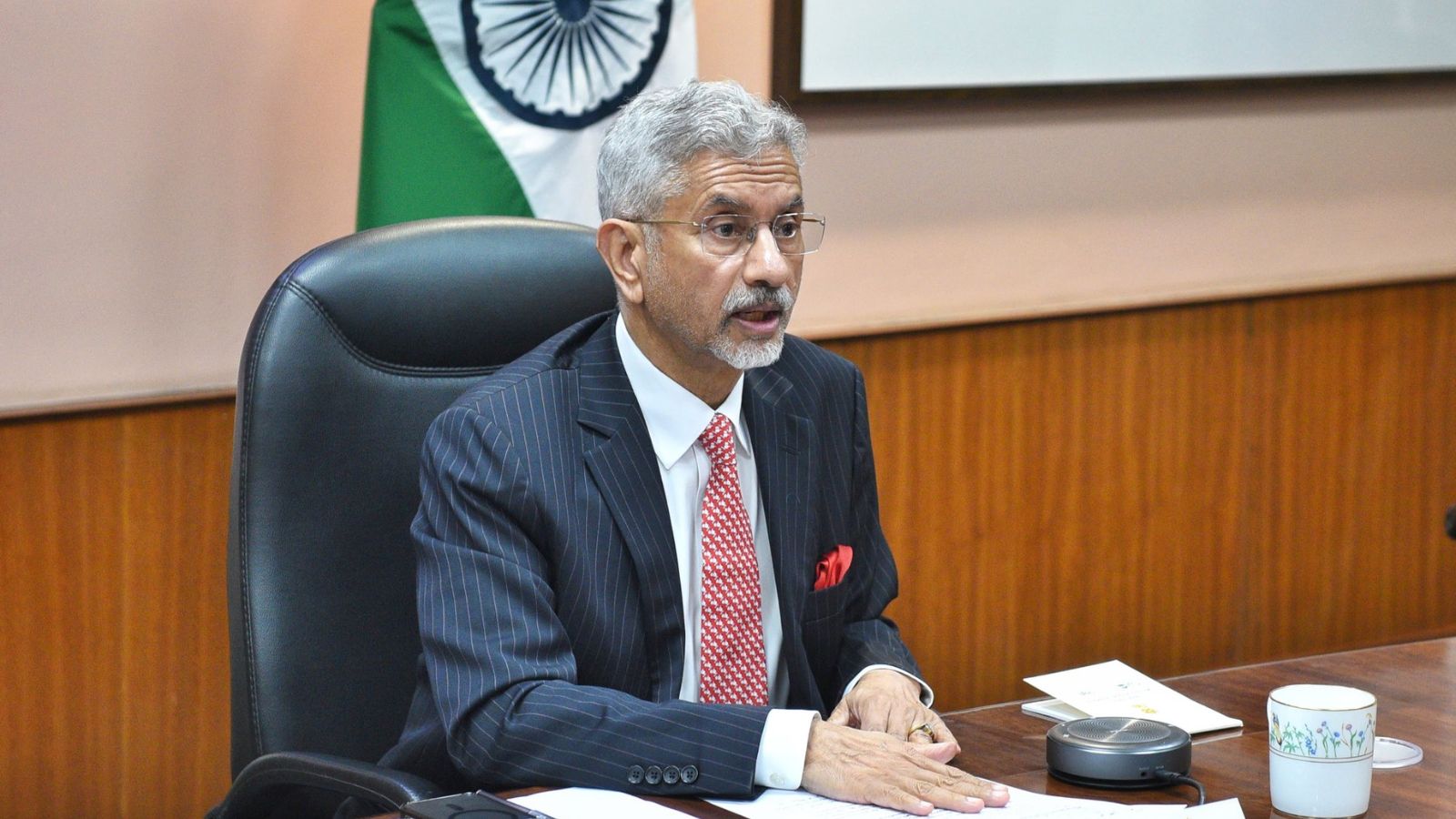
Japanese Prime Minister Sanae Takaichi announced on X on Tuesday, 22 April 2026, that Japan would permit exports of lethal weapons to 17 countries, including India. India’s Ministry of External Affairs, through Official Spokesperson Randhir Jaiswal, welcomed the move, stating that New Delhi was “committed to increase practical cooperation in the interest of national security”. The decision forms part of the refreshed Joint Declaration on Security Cooperation between India and Japan.
The move is historic: since the end of World War II, Japan had restricted lethal-capable exports to just five non-combat categories — rescue, transport, minesweeping, warning and surveillance. The policy flowed from the pacifist mandate of Article 9 of the 1947 Japanese Constitution. The relaxation is widely read as Japan’s response to an increasingly assertive China in the Indo-Pacific, and strengthens the Quad (India, Japan, US, Australia) calculus.
Key Facts at a Glance
| Particular | Detail |
|---|---|
| Announcement Date | 22 April 2026 (X post by PM Takaichi) |
| Countries Cleared | 17 (including India) |
| Prior Categories | 5 — rescue, transport, minesweeping, warning, surveillance |
| India Response | MEA Spokesperson Randhir Jaiswal welcomes |
| Framework | Joint Declaration on Security Cooperation (India-Japan) |
Constitutional & Legal Framework
- Article 9 (Japanese Constitution, 1947) — Renounces war and the threat of force; historical basis of Japan’s arms-export curbs.
- Article 253 (Constitution of India) — Parliament’s power to legislate for implementing international treaties and agreements.
- UNCLOS (1982) — Law of the Sea framework undergirding Indo-Pacific freedom of navigation and overflight commitments.
- Foreign Trade (Development & Regulation) Act, 1992 — India’s domestic legal vehicle for defence-related imports and exports.
- SCOMET List — Special Chemicals, Organisms, Materials, Equipment and Technologies list regulates dual-use transfers.
Institutional & Treaty Anchors
- India-Japan Special Strategic & Global Partnership — Elevated in 2014 from the 2006 Strategic & Global Partnership.
- 2+2 Ministerial Dialogue — Annual meeting of Foreign and Defence Ministers of both nations.
- Acquisition & Cross-Servicing Agreement (ACSA, 2020) — Reciprocal provision of supplies and services between the two militaries.
- Quad (Quadrilateral Security Dialogue) — India, Japan, US, Australia; focus on Free, Open and Inclusive Indo-Pacific (FOIP).
- Act East Policy (2014) — Upgrade of PV Narasimha Rao’s 1991 Look East Policy.
CLAT 2027 Perspective
High-probability CLAT GK current affairs question — both factual (17 countries, Takaichi, Jaiswal, Article 9) and comprehension-style (Indo-Pacific balance of power, Quad’s maritime doctrine, India’s defence-export ambitions). Legal Reasoning may test treaty-implementation powers under Article 253 and the scope of executive agreements. Expect comparisons with India-US LEMOA (2016), COMCASA (2018) and BECA (2020).
Practice Quiz — 10 CLAT-Style Questions
Click an option to reveal the answer and explanation.