
CURRENT AFFAIRS | 24 APRIL 2026
CLAT LEGAL REASONING + CONSTITUTIONAL LAW — ARTICLES 14, 25, 26
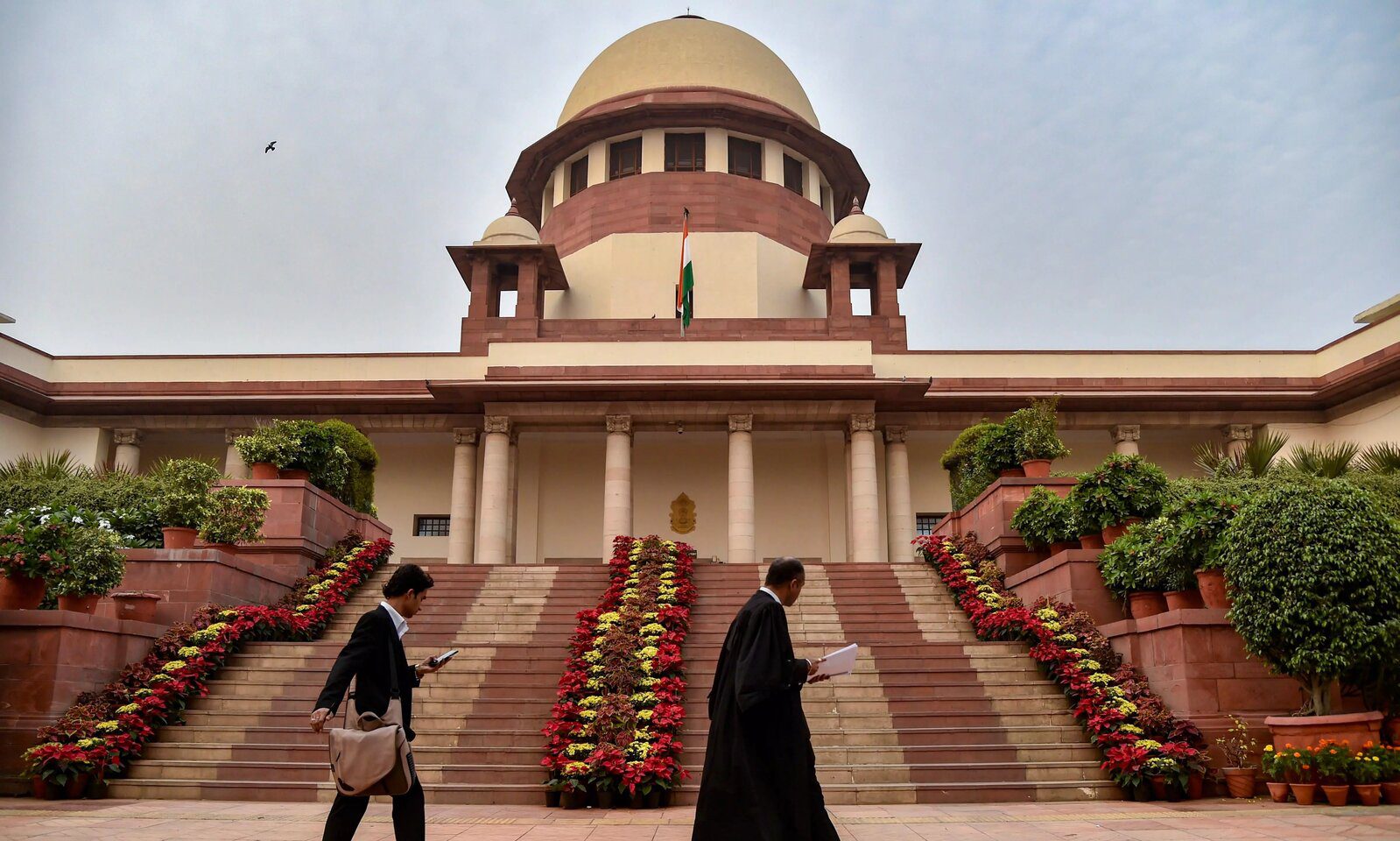
On 23 April 2026, a 9-judge Constitution Bench of the Supreme Court, headed by Chief Justice Surya Kant, resumed hearings on the Sabarimala reference — a cluster of petitions arising out of the 2018 Sabarimala judgment that struck down the bar on women of menstruating age entering the Lord Ayyappa temple in Kerala. Appearing for the All India Muslim Personal Law Board (AIMPLB), senior advocate MR Shamshad submitted that Islam imposes no bar on Muslim women visiting mosques — but clarified that they cannot enter through the main door, and that a physical barrier inside separates them from male worshippers.
The bench also comprises Justices BV Nagarathna, MM Sundresh, Ahsanuddin Amanullah, Aravind Kumar, Augustine George Masih, Prasanna B Varale, R Mahadevan and Joymalya Bagchi. Justice Amanullah pointedly asked counsel whether the Hadith actually requires women to remain at home, probing the textual foundation of the AIMPLB submission.
Key Facts at a Glance
| Particular | Detail |
|---|---|
| Hearing Date | 23 April 2026 |
| Bench Strength | 9 judges, headed by CJI Surya Kant |
| Petitioner (today) | AIMPLB through Sr Adv MR Shamshad |
| Parent Judgment | Indian Young Lawyers Assn v State of Kerala (28 Sep 2018) |
| Core Question | Women’s entry to religious spaces — Art 14 vs Arts 25-26 |
Constitutional Framework
- Article 14 — Equality before law and equal protection of laws.
- Article 15(1) — No discrimination on grounds of religion, race, caste, sex, or place of birth.
- Article 25(1) — Freedom of conscience and right to freely profess, practise and propagate religion, subject to public order, morality and health.
- Article 25(2)(b) — Permits social welfare and reform, including opening Hindu religious institutions to all classes and sections of Hindus.
- Article 26 — Religious denominations’ right to manage their own affairs in matters of religion.
- Essential Religious Practices (ERP) doctrine — Judicial test to determine which practices enjoy protection under Arts 25-26.
Landmark Cases & Doctrines
- Commissioner HRE v LT Swamiar of Shirur Mutt (1954) — Founded the ERP doctrine; religion covered “the entire set of beliefs and practices” essential to a faith.
- Indian Young Lawyers Association v State of Kerala (2018) — 4:1 majority struck down the bar on women aged 10-50 entering Sabarimala temple.
- Shayara Bano v Union of India (2017) — Invalidated instant triple talaq as violative of Art 14 and not protected by Art 25.
- Ratilal Panachand v State of Bombay (1954) — Reinforced denominational autonomy under Art 26.
- Durgah Committee Ajmer v Syed Hussain Ali (1961) — Cautioned that superstitious or extraneous accretions are not “essential”.
CLAT 2027 Perspective
Expect a comprehension-style Legal Reasoning passage on women’s entry, the ERP test, or the Art 14 vs Arts 25-26 conflict. Current affairs items may directly test the bench strength (9), coram (CJI Surya Kant), the source case name, and the specific AIMPLB submission. Be ready with the four-part structure: (i) who decides what is religious? (ii) is the practice “essential”? (iii) does it violate a fundamental right of a third party? (iv) is the intervention saved by Art 25(2)(b)/reform clauses? This reference, like Sabarimala 2018 and Shayara Bano, will anchor next year’s current-affairs questions too.
Practice Quiz — 10 CLAT-Style Questions
Click an option to reveal the answer and explanation.