CURRENT AFFAIRS | 17 APRIL 2026
CLAT GK + CONSTITUTIONAL LAW & RELEVANT AREA
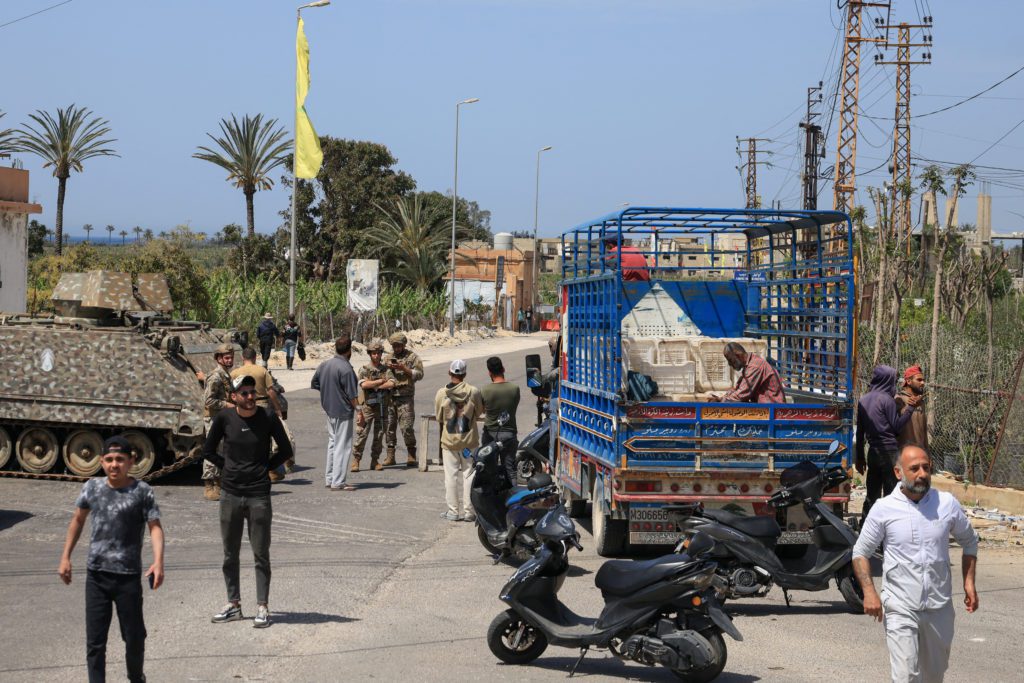
President Donald Trump on 16 April 2026 announced that Israel and Lebanon have agreed to a 10-day ceasefire beginning 21:00 GMT, even as he said Iran has “pledged not to have nuclear weapons” in exchange for a possible US concession on enriched-uranium stockpiles and a 20-year suspension of Iran’s nuclear activities. Pakistan Army Chief Gen Asim Munir is currently in Tehran in a mediation role; the US has simultaneously expanded its blockade on Iranian vessels.
For CLAT 2027, this single news item sits at the cross-roads of three legal regimes: (a) UN Security Council Resolution 1701 (2006) governing the Israel-Lebanon truce, (b) the Nuclear Non-Proliferation Treaty (NPT) 1968 and IAEA Comprehensive Safeguards on Iran, and (c) UNCLOS 1982 — which the US blockade on third-country shipping in international waters arguably violates. Threats to the Strait of Hormuz directly affect India: roughly 40 per cent of our crude imports transit this chokepoint.
Constitutional & International Law Framework
UN Charter framework: Article 2(4) prohibits the use of force against the territorial integrity of a State. Article 51 preserves the “inherent right” of individual or collective self-defence if an armed attack occurs. Article 39 empowers the Security Council to determine threats to the peace.
Non-proliferation regime: NPT 1968 binds non-nuclear-weapon States under Article II not to manufacture or acquire nuclear weapons. Article III mandates IAEA safeguards; Article VI obliges nuclear-weapon States to pursue disarmament. Iran’s 2015 JCPOA (from which the US withdrew in 2018) is a specific application.
Law of the sea: UNCLOS 1982 Article 17 grants “innocent passage” to foreign ships through the territorial sea; Article 87 guarantees freedoms of the high seas. A blockade of third-country shipping in international waters tests both.
Indian Constitutional links: Article 51 (DPSP) directs the State to promote international peace and respect international law. Article 253 empowers Parliament to legislate to implement treaties and international agreements.
Why This Matters for CLAT 2027
CLAT 2026 already featured a passage on UN Charter Articles 2(4) and 51 in the context of Ukraine. Expect CLAT 2027 to test:
- The difference between a ceasefire (temporary suspension of hostilities), an armistice, and a peace treaty — a recurring CLAT trap.
- The “innocent passage” test under UNCLOS Article 17 vis-a-vis a US blockade.
- The inter-play of Article 51 of the Indian Constitution (DPSP) with Article 253 (treaty implementation) — passed by Parliament irrespective of State List subjects.
- IAEA Comprehensive Safeguards under NPT Article III — what does verification look like in practice.
Pro tip: A “ceasefire” is not a peace treaty. Many passages deliberately use the two terms interchangeably to trap careless candidates.
Key Facts at a Glance
| Regime / Instrument | Key Provision |
|---|---|
| UNSCR 1701 (2006) | Israel-Lebanon ceasefire; Hezbollah disarmament north of Litani |
| NPT 1968 | Art II (no nukes) / Art III (IAEA safeguards) / Art VI (disarmament) |
| JCPOA 2015 | Iran nuclear deal; US withdrew 2018 |
| UNCLOS 1982 | Art 17 innocent passage; Art 87 freedom of high seas |
| UN Charter | Art 2(4) no force; Art 51 self-defence |
| Indian Constitution | Art 51 (DPSP) international peace; Art 253 (treaties) |
| Strait of Hormuz | 20% of global oil; 40% of India’s crude imports |
Mnemonic: TRUCE
Ten days ceasefire · Resolution 1701 baseline · Uranium pledge by Iran · Ceasefire at 21:00 GMT · Enriched-fuel concession on the table
Practice Quiz — 10 CLAT-Style Questions
Click an option to reveal the answer and explanation.
For a week-by-week CLAT current affairs drill, track CLAT Gurukul’s Daily Brief Notes and attempt the embedded 10-MCQ quiz above — these are the exact question patterns you will face in CLAT 2027.