CURRENT AFFAIRS | 17 APRIL 2026
CLAT GK + CONSTITUTIONAL LAW & RELEVANT AREA
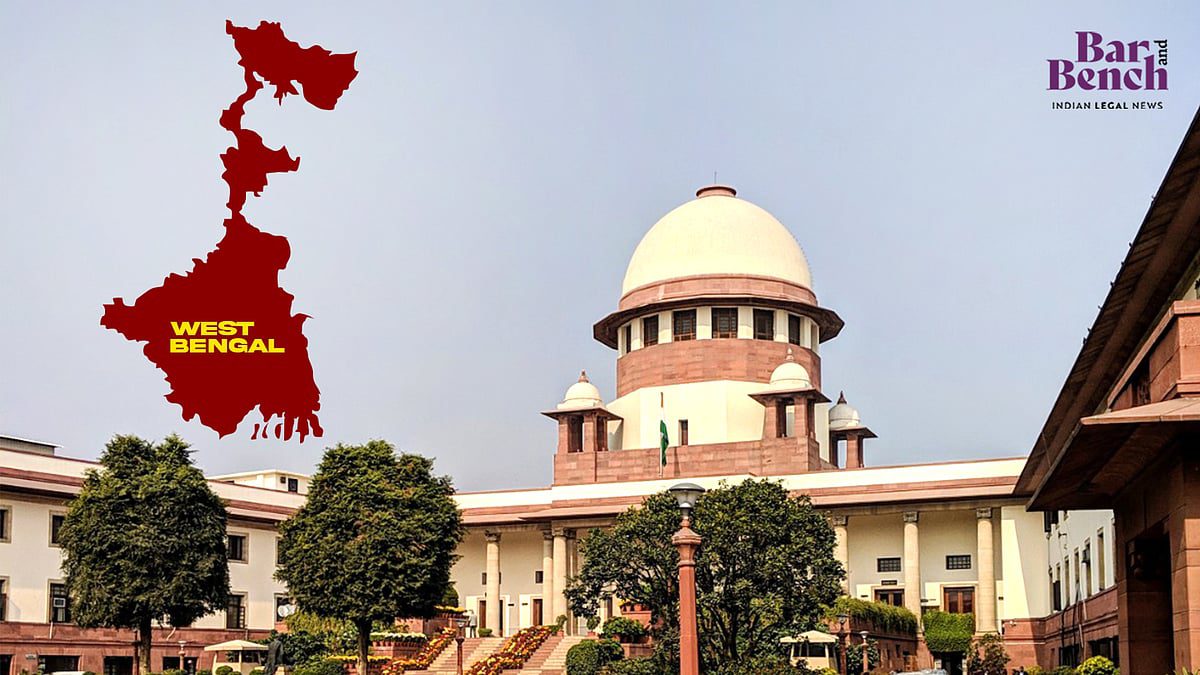
A Supreme Court bench of Justices Surya Kant and Joymalya Bagchi has held that Bengal voters whose names were cleared by Election Appellate Tribunals under the ongoing Special Intensive Revision (SIR) can vote in the upcoming Assembly polls. The judgment comes against the backdrop of the biggest electoral-roll cleanup in West Bengal’s history: of the 7.6-crore original electorate, approximately 90.81 lakh names (roughly 12 percent) were removed during SIR on grounds of non-citizenship, duplication or death. Over 34 lakh appeals have been filed; the Court directed the ECI to issue a supplementary revised electoral roll covering persons whose appeals succeed at least two days before the polling date. Phase one polls on 23 April; phase two on 29 April 2026.
Constitutional Framework
Article 324 vests in the Election Commission of India the plenary power of “superintendence, direction and control” of elections. Article 326 guarantees universal adult franchise to every citizen above 18 (age lowered from 21 by the 61st Constitutional Amendment, 1988).
Electoral rolls are prepared under the Representation of the People Act, 1950, while the conduct of elections and election disputes are governed by the Representation of the People Act, 1951. Under RPA 1950, an elector excluded from the roll may file objections and appeal to an Appellate Tribunal. Crucially, this Appellate Tribunal is distinct from the “Election Tribunal” (which, post-1966, is the High Court under Sec 80 RPA 1951) that hears election petitions. Mixing the two is a standard CLAT trap.
In Mohinder Singh Gill v CEC (1978), the Supreme Court held Article 324 to be a “reservoir of power” that enables ECI to fill statutory gaps. The present judgment draws on that same plenary reading to craft a supplementary-roll remedy that neither RPA 1950 nor RPA 1951 expressly provides.
CLAT Angle / Why This Matters
This judgment is textbook CLAT 2027 material because it operates at the intersection of:
- Universal suffrage (Art 326) — no eligible citizen should lose the vote through administrative error.
- ECI plenary power (Art 324) — the Commission crafts procedural remedies to cure such errors.
- RPA hierarchy — rolls under RPA 1950; conduct and disputes under RPA 1951.
- Tribunal design — Electoral Registration Officer → District Magistrate → Appellate Tribunal (RPA 1950); final relief = supplementary roll.
Watch for the passage trap: “The SC directed that all 90 lakh deleted voters can vote.” That is false. Only those whose appeals are allowed by tribunals at least two days before polling get the supplementary-roll remedy. Mere pendency doesn’t qualify.
Key Facts at a Glance
| Item | Detail |
|---|---|
| Bench | Justices Surya Kant and Joymalya Bagchi |
| Bengal electorate (pre-SIR) | ~7.6 crore |
| Names removed in SIR | ~90.81 lakh (~12%) |
| Appeals filed | Over 34 lakh |
| Polling dates | Phase 1 — 23 Apr 2026; Phase 2 — 29 Apr 2026 |
| Remedy | Supplementary revised electoral roll on appeal success 2 days before poll |
| Key case anchor | Mohinder Singh Gill v CEC (1978) |
Mnemonic: SIR
Supplementary list remedy | Intensive Revision (SIR) | Restored voters (tribunal-cleared) — all three locked into Article 324’s plenary reservoir.
Take the Quiz (10 MCQs)
Practice Quiz — 10 CLAT-Style Questions
Click an option to reveal the answer and explanation.
Stay on top of every CLAT 2027 current-affairs update with daily briefs, concept notes and full-length mocks at CLAT Gurukul — Patna’s leading CLAT coaching.