
CURRENT AFFAIRS | 6 APRIL 2026
CLAT GK + IT LAW & FUNDAMENTAL RIGHTS
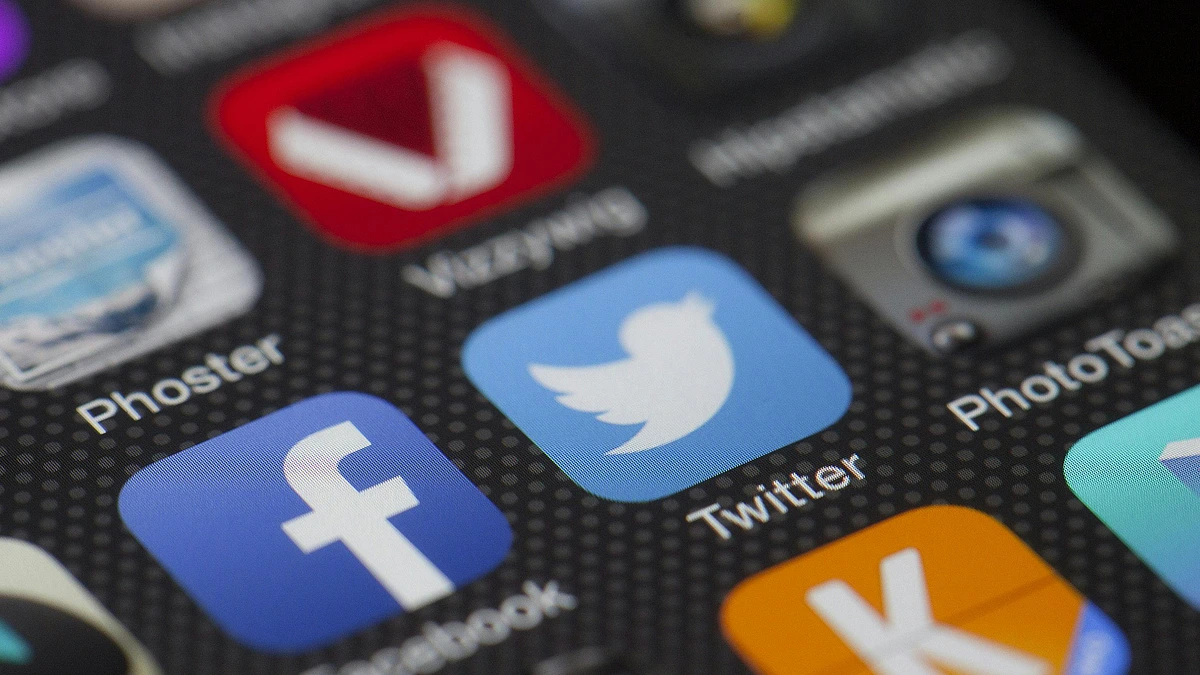
A thought-provoking article in The Indian Express argues that India’s IT Rules 2021 (and their proposed 2026 amendments) have made the internet less free. The piece critiques the government’s expanding power to order content takedowns, intermediary liability provisions, and the proposed fact-checking units — raising fundamental questions about free speech in the digital age.
For CLAT aspirants, this is a critical topic combining IT law, constitutional rights (Articles 19 and 21), landmark Supreme Court judgments, and global comparisons with the EU Digital Services Act and US Section 230.
What Are the IT Rules 2021?
The Information Technology (Intermediary Guidelines and Digital Media Ethics Code) Rules, 2021 were framed under the IT Act 2000. They regulate:
- Social media intermediaries: Compliance obligations for platforms like Twitter/X, Instagram, YouTube
- Digital news media: Three-tier oversight mechanism (self-regulation, self-regulatory body, government oversight)
- OTT platforms: Content classification and self-regulation
- Significant social media intermediaries (SSMIs): Platforms with 5 million+ users must appoint compliance officers, enable traceability of first originator of information
Constitutional Framework: Free Speech Online
- Article 19(1)(a): Freedom of speech and expression — extends to online speech
- Article 19(2): Reasonable restrictions on eight grounds: sovereignty, security, friendly relations, public order, decency/morality, contempt of court, defamation, incitement
- Article 21: Right to life includes right to access internet (Anuradha Bhasin v. UoI, 2020)
- Article 14: Right to equality — rules must not be arbitrary or discriminatory
Proposed 2026 Amendments: What Changes?
The Ministry of Electronics and IT circulated draft amendments on 30 March 2026 that significantly expand government control:
- Expanded Scope: Private individuals, influencers, and content creators now fall under Part III oversight — previously reserved only for professional media organisations
- Faster Takedowns: Platforms must remove flagged content within 2-3 hours (down from 24-36 hours under the 2021 Rules)
- Deepfake Mandate: India becomes the first country to mandate provenance metadata and visible watermarks for AI-generated synthetic content
- Influencer Regulation: YouTubers, Instagram creators, and X users posting news/current affairs content treated as digital news publishers
The Internet Freedom Foundation (IFF) has termed these changes “digital authoritarianism,” warning of a dangerous expansion of executive power over free speech.
CLAT Exam Angle
- Legal Reasoning: Passage comparing India’s IT Rules with EU DSA or US Section 230 — questions on intermediary liability, proportionality of restrictions, balancing free speech vs regulation
- Constitutional Law: Art 19(1)(a) scope in digital age, Art 19(2) grounds, Art 21 internet access right
- Landmark Cases: Shreya Singhal (Sec 66A), Anuradha Bhasin (internet shutdown), Puttaswamy (privacy)
- GK Section: IT Act 2000, Section 69A (blocking power), Section 79 (safe harbour), EU DSA, US Section 230
Three Landmark Cases on Internet Freedom
1. Shreya Singhal v. Union of India (2015)
The Supreme Court struck down Section 66A of the IT Act for being vague and having a chilling effect on free speech. The Court distinguished between “discussion,” “advocacy,” and “incitement” — only the last can be restricted. Also read down Section 79 (safe harbour) to require a court order before platforms must remove content.
2. Anuradha Bhasin v. Union of India (2020)
Declared that internet access is a fundamental right under Articles 19 and 21. Indefinite internet shutdowns are unconstitutional. Any restriction must satisfy the test of proportionality and be subject to periodic review.
3. KS Puttaswamy v. Union of India (2017)
Privacy declared a fundamental right under Article 21. Any data collection, surveillance, or content regulation must satisfy the three-fold test: legality, legitimate aim, and proportionality.
Global Comparison
| Framework | Country | Key Feature |
|---|---|---|
| IT Rules 2021 (+ 2026 draft) | India | Government-directed takedowns, fact-checking units, 2-3 hour removal window |
| Digital Services Act (DSA) | EU | Platform accountability, transparency reports, independent oversight, user appeal mechanisms |
| Section 230 (CDA) | USA | Broad immunity for platforms from user content liability — minimal government control |
Key Facts at a Glance
| IT Act | 2000 (parent legislation) |
| IT Rules | 2021 (Intermediary Guidelines) |
| Section 66A | Struck down in Shreya Singhal (2015) |
| Section 69A | Government’s website blocking power |
| Section 79 | Safe harbour for intermediaries |
| Internet as Right | Anuradha Bhasin v. UoI (2020) |
| 2026 Amendment Draft | 30 March 2026, comments due 16 April |
Mnemonic: “SAP-69-79” — IT Law Framework
Shreya Singhal → Anuradha Bhasin → Puttaswamy — the three pillars of digital rights jurisprudence
Section 69A = government blocks (6+9=15, think “block at 15”)
Section 79 = platform safe harbour (7+9=16, think “safe at 16”)
Section 66A = DEAD (struck down — never cite it as valid law!)
Why This Matters for CLAT
Internet regulation is increasingly becoming a battleground for fundamental rights litigation. CLAT examiners love passages where competing rights collide — here, the government’s duty to maintain public order (Art 19(2)) clashes with citizens’ right to free speech (Art 19(1)(a)) and internet access (Art 21). Understanding the nuances of proportionality, the Shreya Singhal “three categories” test, and global comparisons will give you a decisive edge in both GK and Legal Reasoning sections.
Practice Quiz — 10 CLAT-Style Questions
Click an option to reveal the answer and explanation.