
CURRENT AFFAIRS | 9 APRIL 2026
CLAT GK + LEGAL REASONING
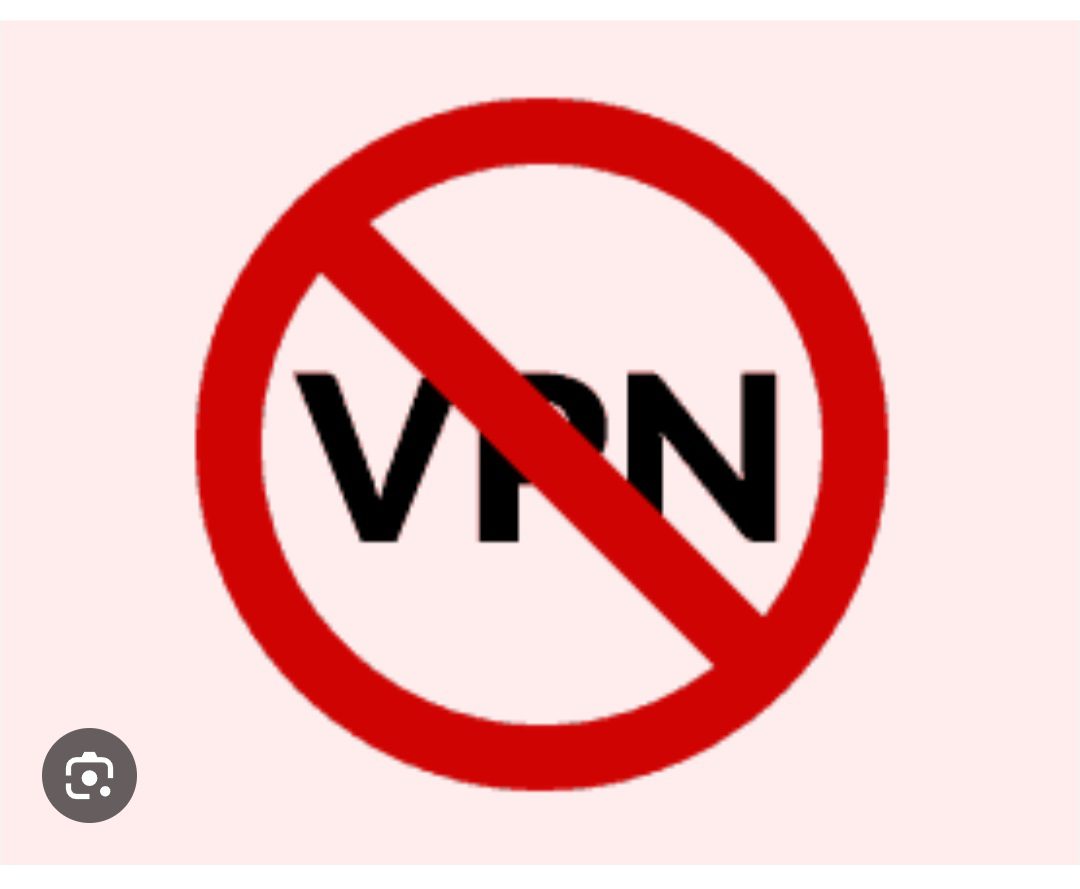
Kishtwar District Bans VPN Usage Citing National Security Threats
In a significant move with far-reaching implications for digital rights in India, the Union Territory administration of Jammu & Kashmir has banned the use of Virtual Private Networks (VPNs) in Kishtwar district with immediate effect. The order, issued by District Magistrate Pankaj Kumar Sharma under Section 163 of the Bharatiya Nagrik Suraksha Sanhita (BNSS) 2023, marks one of the first instances where the new criminal law provisions have been invoked to regulate digital access tools.
What Prompted the Ban?
According to the official order, the administration determined that VPNs could be exploited for unlawful and anti-national purposes, including:
- Disseminating inflammatory content designed to incite unrest
- Coordinating illegal activities through encrypted channels
- Bypassing lawful cyber restrictions to access prohibited digital platforms
The order emphasized an “urgent need to ensure cyber security, maintain public peace, and safeguard governance mechanisms” in the district. Kishtwar, located in the Chenab Valley region of J&K, has historically been a sensitive area from a security standpoint.
Scope and Applicability of the Ban
The ban is comprehensive in its coverage and applies to:
- All individuals within the territorial jurisdiction of Kishtwar
- Institutions and educational establishments
- Cyber cafes and business establishments
- Internet Service Providers (ISPs) operating in the district
This wide scope raises important constitutional questions about the proportionality of state action in restricting digital tools that have legitimate privacy and security uses for ordinary citizens.
BNSS 2023 Section 163: The New Section 144
The legal foundation of this order is Section 163 of BNSS 2023, which replaced the erstwhile Section 144 of the Code of Criminal Procedure (CrPC) 1973. Section 163 empowers District Magistrates and other Executive Magistrates to issue orders in urgent cases of nuisance or apprehended danger. The invocation of this provision for a VPN ban represents a novel application of executive power in the digital domain.
Key Difference: CrPC Section 144 vs BNSS Section 163
While both provisions serve similar purposes, BNSS Section 163 carries forward the power of the Executive Magistrate to pass orders for maintaining public peace, but within the framework of the new criminal law reforms enacted in 2023. The constitutionality of such orders has been tested multiple times, most notably in the context of internet shutdowns.
The Constitutional Tension: Privacy vs Security
This ban creates a classic constitutional tension between several fundamental rights and state interests:
Article 19(1)(a) — Freedom of Speech and Expression: VPNs are widely used by journalists, activists, and ordinary citizens to protect their communications. A blanket ban restricts this freedom.
Article 21 — Right to Privacy: The Supreme Court in K.S. Puttaswamy v. Union of India (2017) recognized privacy as a fundamental right. VPNs are a primary tool for digital privacy.
Article 19(2) — Reasonable Restrictions: The State can impose restrictions on grounds of sovereignty, integrity, security of State, public order, and other specified grounds. The question is whether a blanket VPN ban meets the proportionality test.
Landmark Cases That Shape This Debate
Anuradha Bhasin v. Union of India (2020): The Supreme Court held that internet access is a medium to exercise fundamental rights under Articles 19(1)(a) and 19(1)(g). Any restriction must be temporary, proportionate, and subject to judicial review. The Court established that indefinite suspension of internet services would be unconstitutional.
Shreya Singhal v. Union of India (2015): The Court struck down Section 66A of the IT Act for being vague and overbroad, establishing that online speech protections must be as robust as offline ones. This precedent is relevant because a VPN ban could be challenged on similar grounds of overbreadth.
⚖️ Constitutional & Legal Framework
- Article 19(1)(a): Freedom of speech and expression — includes right to access information online
- Article 19(2): Reasonable restrictions — sovereignty, security of State, public order
- Article 21: Right to life and personal liberty — includes right to privacy (Puttaswamy)
- Section 163 BNSS 2023: Power of Executive Magistrate to issue urgent orders (replaced S.144 CrPC)
- IT Act 2000: Section 69A — power to block websites; Section 66A struck down (Shreya Singhal)
- Proportionality Doctrine: Four-pronged test — legitimate aim, rational connection, necessity, balancing
🎯 Why This Matters for CLAT 2027
- Legal Reasoning: Expect principle-application questions on Art 19(1)(a) vs Art 19(2) — State restricting digital tools for security vs individual right to privacy
- Current Affairs + GK: BNSS 2023 replacing CrPC is a high-priority topic; know Section 163 as the new Section 144
- Passage-based questions: A passage on VPN bans could test your understanding of the proportionality doctrine and Anuradha Bhasin ruling
- Constitutional Law: The Puttaswamy right to privacy framework is repeatedly tested in CLAT
📋 Key Facts at a Glance
| What | VPN usage banned in Kishtwar district, J&K |
| Legal Basis | Section 163, BNSS 2023 (replaces S.144 CrPC) |
| Issued By | DM Pankaj Kumar Sharma |
| Scope | All individuals, institutions, cyber cafes, ISPs |
| Reason | National security, prevent anti-national activities |
| Key Cases | Puttaswamy (privacy), Anuradha Bhasin (internet), Shreya Singhal (66A) |
🧠 Mnemonic to Remember
“PRIVACY SHIELD” — Puttaswamy (privacy right), Reasonable restrictions (Art 19(2)), IT Act 2000, VPN ban order, Anuradha Bhasin (internet rights), Cyber security rationale, Yielding to BNSS 163 — Shreya Singhal (66A struck), Human rights angle, Individual liberty (Art 21), Executive Magistrate power, Legal proportionality test, District-level restrictions
Practice Quiz — 10 CLAT-Style Questions
Click an option to reveal the answer and explanation.