
CURRENT AFFAIRS | 9 APRIL 2026
CLAT GK + INTERNATIONAL LAW & RELATIONS
US-Iran 2-Week Ceasefire Announced Amid Regional Turmoil
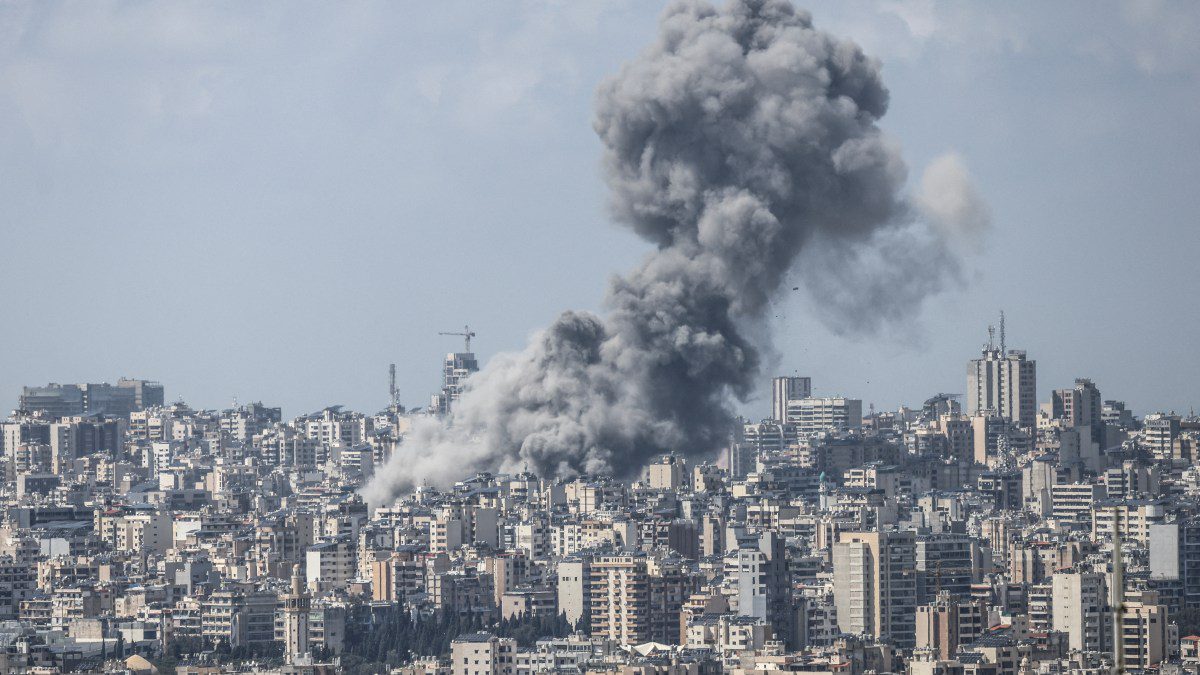
In a significant diplomatic development, the United States and Iran announced a 2-week ceasefire agreement on April 8, 2026, raising hopes of de-escalation in a region gripped by months of escalating tensions. However, the fragile truce was immediately tested as Israel launched devastating strikes on residential areas in Lebanon, killing 112 people and wounding 837 in Beirut.
Israel-Lebanon Escalation: Ceasefire Does Not Cover Lebanon
Israel categorically stated that Lebanon is not part of the US-Iran ceasefire agreement, justifying its continued military operations against Hezbollah targets. The massive strikes on Beirut’s residential quarters have drawn sharp international condemnation, with human rights organisations calling the attacks a potential violation of International Humanitarian Law (IHL) and the Geneva Conventions, which protect civilian populations during armed conflict.
The distinction between military targets and civilian infrastructure is central to the legal debate. Under the principle of distinction in IHL, parties to a conflict must distinguish between combatants and civilians at all times.
Iran Closes the Strait of Hormuz — Global Oil Supply Disrupted
In a dramatic escalation, Iran closed the Strait of Hormuz, one of the world’s most critical maritime chokepoints. Approximately 20% of global oil supply transits through this narrow waterway connecting the Persian Gulf to the Gulf of Oman. The closure sent crude oil prices surging and triggered fears of a global energy crisis.
Under the United Nations Convention on the Law of the Sea (UNCLOS), straits used for international navigation are governed by the regime of transit passage, which cannot be suspended. Iran’s closure raises serious questions about violations of international maritime law.
Trump Threatens 50% Tariff Under IEEPA 1977
US President Trump threatened to impose 50% tariffs on countries supplying arms to Iran, invoking the International Emergency Economic Powers Act (IEEPA) of 1977. This Act grants the US President sweeping authority to regulate international commerce during a declared national emergency involving unusual or extraordinary threats originating from outside the United States.
Pakistan as Key Mediator; India Calls for Diplomacy
Pakistan emerged as a key mediator in brokering the ceasefire, with Pakistan’s Army Chief and Prime Minister Shehbaz Sharif playing instrumental roles in back-channel negotiations. India called for lasting peace and underlined the importance of diplomacy, reaffirming its commitment to Article 51 of the UN Charter principles — the peaceful settlement of international disputes.
⚖️ Constitutional & Legal Framework
- Article 51, UN Charter — Inherent right of self-defence; peaceful settlement obligations
- Geneva Conventions (1949) — Protection of civilians during armed conflict; principle of distinction
- UNCLOS (1982) — Transit passage through international straits; EEZ rights (200 nautical miles)
- IEEPA 1977 (USA) — Presidential authority to regulate commerce during national emergencies
- UNSC Veto Power — P5 members (US, UK, France, Russia, China) can veto resolutions
- ICJ Jurisdiction — Advisory opinions and contentious cases between states; headquartered at The Hague
- International Humanitarian Law — Rules governing conduct during armed conflict (jus in bello)
🎯 Why This Matters for CLAT 2027
International law questions in CLAT frequently test knowledge of UN Charter provisions, humanitarian law principles, and maritime law concepts. The US-Iran crisis is a convergence of multiple legal frameworks — self-defence (Art 51), civilian protection (Geneva Conventions), maritime rights (UNCLOS), and economic sanctions (IEEPA). Expect passage-based questions linking these concepts to real-world scenarios. Pay special attention to the distinction between jus ad bellum (right to go to war) and jus in bello (law during war).
📋 Key Facts at a Glance
| Ceasefire Duration | 2 weeks (announced April 8, 2026) |
| Lebanon Casualties | 112 killed, 837 wounded in Israeli strikes on Beirut |
| Strait of Hormuz | Closed by Iran; handles ~20% of global oil supply |
| US Tariff Threat | 50% tariff under IEEPA 1977 on Iran arms suppliers |
| Key Mediator | Pakistan (PM Shehbaz Sharif + Army Chief) |
| India’s Position | Called for lasting peace; underlined diplomacy |
🧠 Mnemonic to Remember
“GULF CRISIS” — Geneva Conventions, UNCLOS transit passage, Lebanon strikes, Force (Art 2(4) prohibition), Ceasefire 2-weeks, Right to self-defence (Art 51), IEEPA 1977, Strait of Hormuz, ICJ jurisdiction, Sanctions & tariffs.
Practice Quiz — 10 CLAT-Style Questions
Click an option to reveal the answer and explanation.