
CURRENT AFFAIRS | MARCH 29, 2026
CLAT GK + INTERNATIONAL RELATIONS & CONSTITUTIONAL LAW
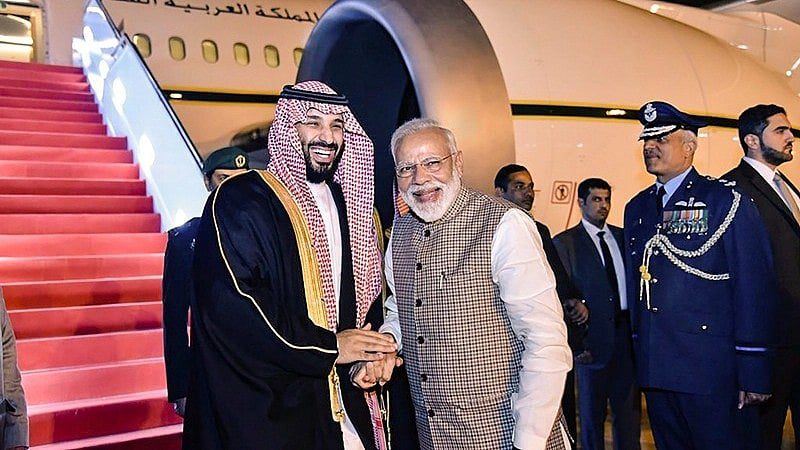
Prime Minister Narendra Modi spoke with Saudi Arabia’s Crown Prince Mohammed bin Salman (MBS) on Saturday, March 28, 2026, in their second phone conversation since the West Asia conflict escalated on February 28, 2026. The leaders agreed on the critical need to ensure freedom of navigation and keep shipping lines open and secure amid the ongoing hostilities in the region.
The conversation assumed significance against the backdrop of sustained disruptions to the Strait of Hormuz — one of the world’s most critical oil transit corridors — which has been severely impacted by ongoing hostilities involving the United States, Israel, and Iran. PM Modi reiterated India’s condemnation of attacks on regional energy infrastructure in Saudi Arabia and Qatar and also condemned Iranian attacks on energy installations.
Why This Matters for India
India imports approximately 85% of its crude oil requirements, with a substantial share coming from Gulf nations. The disruption of shipping routes through the Strait of Hormuz directly threatens India’s energy security, supply chains, and economic stability. Additionally, millions of Indian expatriates reside in the Gulf region — since February 28, around 4.97 lakh passengers have returned to India from the region, according to the MEA.
This call is part of Modi’s recent diplomatic push, having also spoken with US President Trump and leaders from the UAE, Qatar, Kuwait, and Jordan in recent weeks — underscoring India’s diplomatic balancing act between maintaining ties with all stakeholders while protecting national interests.
Legal & Constitutional Framework
- Article 51 DPSP: Directs the State to promote international peace and security, maintain just and honourable relations between nations, and foster respect for international law and treaty obligations.
- Vienna Convention on Diplomatic Relations, 1961: Governs diplomatic relations between sovereign states, including the framework under which such bilateral discussions occur.
- UN Charter Chapter VII: Deals with action with respect to threats to peace, breaches of peace, and acts of aggression — directly relevant to the West Asia military conflict.
- International Energy Charter: Provides a multilateral framework for energy cooperation, transit, and investment protection — relevant to attacks on energy infrastructure.
- UNCLOS: Enshrines the principle of freedom of navigation in international waters, directly relevant to the Strait of Hormuz situation.
CLAT Exam Angle
This topic is highly relevant for CLAT 2027 from multiple perspectives:
- GK Section: India-Saudi bilateral relations, West Asia geopolitics, energy security, Strait of Hormuz significance
- Legal Reasoning: Questions on DPSP (Art. 51) vs. Fundamental Rights, international treaty obligations, diplomatic immunity under Vienna Convention
- Current Affairs: India’s diplomatic balancing act, India’s energy import dependency, evacuation of Indian nationals from conflict zones
- Previous CLAT Questions: International relations and India’s foreign policy are regularly tested in the GK section
Key Facts at a Glance
| Event | PM Modi-MBS phone call on West Asia crisis |
| Date | March 28, 2026 |
| Key Agreement | Freedom of navigation, secure shipping lines |
| Conflict Start Date | February 28, 2026 (US-Israel strikes on Iran) |
| Critical Chokepoint | Strait of Hormuz |
| Indians Evacuated | ~4.97 lakh since Feb 28 |
| Constitutional Provision | Article 51 DPSP (international peace) |
Mnemonic: SHIELD
Remember the key aspects of this story with SHIELD:
- S — Strait of Hormuz (critical chokepoint)
- H — Humanitarian evacuation (4.97 lakh Indians)
- I — India’s energy import dependency (85%)
- E — Energy infrastructure attacks condemned
- L — Legal framework: Art. 51 DPSP + UNCLOS
- D — Diplomatic balancing act (talks with all sides)
Conclusion
The Modi-MBS conversation reflects India’s strategic imperative to safeguard its energy supply lines and protect millions of Indian nationals in the Gulf. For CLAT aspirants, this event illustrates the intersection of international relations, constitutional principles (Art. 51 DPSP), and India’s diplomatic navigation of complex geopolitical crises. The Strait of Hormuz and India’s energy security remain critical topics for the GK section of CLAT 2027.
Practice Quiz — 10 CLAT-Style Questions
Click an option to reveal the answer and explanation.