

CURRENT AFFAIRS | MARCH 29, 2026
CLAT GK + ENVIRONMENTAL LAW & CONSTITUTIONAL LAW
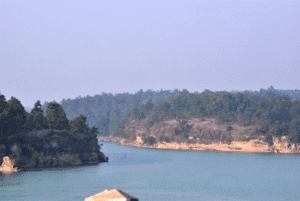
The Rajasthan High Court has issued an interim order prohibiting night safaris, use of drones, and other activities at Jawai Leopard Conservation Reserve in Pali district. Hearing a PIL filed by Pali resident Apoorva Agrawal, a bench of Justices Pushpendra Singh Bhati and Sandeep Shah directed that no safari or activity for spotting wildlife shall be permitted beyond 6 AM to 7 PM, aligning the timings with Ranthambore National Park. The court invoked Article 48A (DPSP on environment) and the Wildlife Protection Act, 1972, noting the “foundational ethos of environmental governance in India.”
What Happened?
The PIL alleged that unregulated tourism in the Jawai region was causing ecological stress and disturbance to the Indian leopard population. The Jawai Bandh Leopard Conservation Reserve, covering 19.79 sq km in Sumerpur tehsil of Pali district, was notified on February 23, 2010, and hosts one of India’s highest leopard densities (estimated 50-60 individuals). These leopards are unique because they are cave-dwelling.
The court noted that unrestricted night safaris, drone usage, and commercial tourism activities were disrupting the natural behavior of leopards and degrading their habitat. The order restricts all safari activities to 6 AM-7 PM, bans drones in the reserve area, and mandates compliance with wildlife conservation protocols similar to Ranthambore. Key threats to the reserve include illegal mining, habitat encroachment, and wildlife casualties from the Delhi-Mumbai railway line that bisects the reserve.
Legal Framework
- Article 48A (DPSP): “The State shall endeavour to protect and improve the environment and to safeguard the forests and wild life of the country.” Added by the 42nd Amendment, 1976.
- Article 51A(g) (Fundamental Duty): It shall be the duty of every citizen to protect and improve the natural environment including forests, lakes, rivers, and wild life, and to have compassion for living creatures.
- Article 21 (Right to Clean Environment): The Supreme Court in MC Mehta v Union of India expanded Art. 21 to include the right to a clean and healthy environment as part of the right to life.
- Wildlife Protection Act, 1972: Provides for the establishment of sanctuaries, national parks, and conservation reserves. Prohibits hunting and regulates trade in wildlife.
- Article 226: The PIL jurisdiction of High Courts — the constitutional basis for the Rajasthan HC hearing this public interest matter.
CLAT Exam Angle
- Environmental Law: The interplay between DPSP (Art. 48A), Fundamental Duties (Art. 51A(g)), and Fundamental Rights (Art. 21 expanded) creates a robust constitutional framework for environmental protection — a favorite CLAT topic.
- PIL Jurisdiction: Art. 226 (HC) and Art. 32 (SC) empower courts to hear public interest matters. The relaxation of locus standi in environmental cases is frequently tested.
- Wildlife vs Tourism: The tension between economic development (tourism revenue) and environmental conservation is a classic legal reasoning topic for CLAT.
- Landmark Cases: MC Mehta v Union of India, Vellore Citizens Welfare Forum v Union of India (precautionary principle), TN Godavarman v Union of India (forest conservation) — all high-frequency CLAT questions.
Key Facts at a Glance
| Reserve | Jawai Bandh Leopard Conservation Reserve |
| Location | Sumerpur tehsil, Pali district, Rajasthan |
| Area | 19.79 sq km |
| Notified | February 23, 2010 |
| Leopard Population | 50-60 (cave-dwelling) |
| Safari Timings (New) | 6 AM to 7 PM only |
| Bench | Justices Pushpendra Singh Bhati & Sandeep Shah |
| PIL Filed By | Apoorva Agrawal (Pali resident) |
Mnemonic: WILDLIFE
Remember the constitutional framework for environmental protection:
- W — Wildlife Protection Act, 1972
- I — Interpretation of Art. 21 (right to clean environment)
- L — Legislation: 42nd Amendment added Art. 48A and 51A(g)
- D — DPSP Art. 48A (protect environment)
- L — Locus standi relaxed in PIL (Art. 226/32)
- I — In MC Mehta, SC expanded environmental rights
- F — Fundamental Duty Art. 51A(g)
- E — Ecological balance as constitutional goal
Practice Quiz
Practice Quiz — 10 CLAT-Style Questions
Click an option to reveal the answer and explanation.