

CURRENT AFFAIRS | 13 APRIL 2026
CLAT GK + CONSTITUTIONAL LAW & POLITY
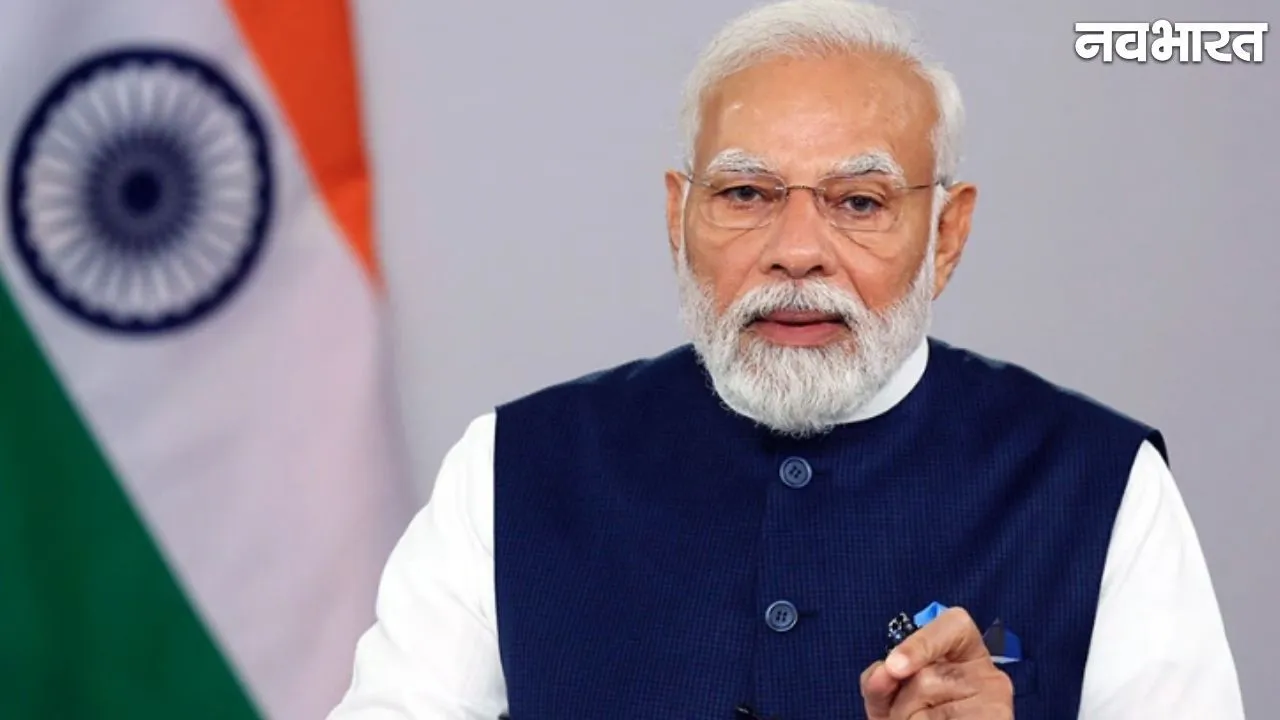
What Happened: PM Modi Seeks Cross-Party Support for Women’s Reservation
Prime Minister Narendra Modi has written to floor leaders of all political parties across both Houses of Parliament, seeking their support for the implementation of the Nari Shakti Vandan Adhiniyam (106th Constitutional Amendment Act) ahead of a special Parliament session scheduled from April 16-18, 2026. The BJP has issued a three-line whip to all its Members of Parliament in both the Lok Sabha and Rajya Sabha, underlining the party’s intent to push through the necessary constitutional amendments to make the women’s reservation operational from the 2029 general elections.
The Nari Shakti Vandan Adhiniyam, passed in September 2023 during a special session of Parliament, reserves one-third (33%) of seats for women in the Lok Sabha and all State Legislative Assemblies. However, the original legislation contained a crucial condition: the reservation would come into effect only after a delimitation exercise based on the first census conducted after the Act’s commencement. Since the most recent census was delayed (the 2021 Census was postponed due to COVID-19), the next census is planned for 2027, and delimitation based on it would have pushed implementation to 2034 or later under the original timeline.
The government now seeks to amend the Act to delink reservation from delimitation, enabling implementation from the 2029 Lok Sabha elections. The Opposition, led by Congress President Mallikarjun Kharge, has expressed support for women’s reservation in principle but raised concerns about the government not revealing specific details about the proposed delimitation framework. Kharge questioned whether meaningful discussion is possible without clarity on how constituencies will be redrawn. The move requires a two-thirds majority in both Houses for passage as a Constitutional Amendment under Article 368, and the government is seeking broad political consensus to achieve this threshold.
Constitutional & Legal Framework
- 106th Constitutional Amendment Act (Nari Shakti Vandan Adhiniyam): Passed in September 2023. Inserts Articles 330A and 332A in the Constitution, reserving one-third seats for women in Lok Sabha and State Assemblies respectively, including within SC/ST reserved seats.
- Article 15(3): Enables the State to make special provisions for women and children. This is the constitutional basis for affirmative action for women and provides the philosophical foundation for the women’s reservation.
- Article 243D (73rd Amendment, 1992): Provides for reservation of not less than one-third of seats for women in Panchayats, including reserved seats for SC/ST. This has been operational since 1993 and serves as a precedent for legislative reservation.
- Article 243T (74th Amendment, 1992): Provides similar one-third reservation for women in Municipalities. Together with Art. 243D, this created the successful framework for women’s political participation at the grassroots level.
- Article 334: Specifies the duration for which reservation of seats for SC/ST in Lok Sabha and State Assemblies shall continue. Currently extended to 80 years from the commencement of the Constitution (i.e., until 2030).
- Article 368: Prescribes the amendment procedure. Constitutional Amendments require a special majority — majority of total membership of each House AND two-thirds of members present and voting. Some amendments also require ratification by half the state legislatures.
- Delimitation Commission Act, 2002: Provides for the constitution of a Delimitation Commission to readjust the allocation of seats in Lok Sabha and State Assemblies based on the latest census data.
Why This Matters for CLAT
Women’s reservation is a perennial CLAT topic that combines constitutional law, polity, and gender justice:
- Constitutional Amendment Process: CLAT frequently tests Article 368. Understanding the difference between simple majority, special majority, and special majority plus state ratification is critical. This case provides a live example of the amendment process in action.
- 73rd and 74th Amendments: These are among the most tested constitutional provisions in CLAT. Knowing that women’s reservation in Panchayats (Art. 243D) and Municipalities (Art. 243T) has been successful for over 30 years contextualizes the current push for Parliament-level reservation.
- Delimitation: Understanding what delimitation means, how it works, who constitutes the Delimitation Commission, and its impact on representation is essential for both GK and Legal Reasoning sections.
- Gender Justice & Equality: Article 15(3) as an enabling provision for affirmative action, the doctrine of protective discrimination, and the tension between formal equality and substantive equality are sophisticated legal concepts tested in CLAT.
- Federal Structure: The interaction between Centre and States in implementing reservation (since State Assembly seats are also affected) tests knowledge of India’s federal architecture.
Key Facts at a Glance
| Legislation | Nari Shakti Vandan Adhiniyam (106th Constitutional Amendment Act) |
| Passed | September 2023 (Special Session) |
| Reservation | One-third (33%) for women in Lok Sabha & State Assemblies |
| Special Session | April 16-18, 2026 |
| PM Action | Letter to floor leaders; BJP three-line whip issued |
| Target Implementation | 2029 Lok Sabha elections |
| Local Body Precedent | Art. 243D (Panchayat) & Art. 243T (Municipality) — since 1993 |
| Amendment Requirement | Two-thirds majority in both Houses (Art. 368) |
| Opposition Concern | Lack of clarity on delimitation details |
Mnemonic: NARI (Women)
- N — 106th Amendment (Nari Shakti Vandan Adhiniyam)
- A — Article 15(3) — special provisions for women
- R — Reservation: 33% in Lok Sabha + State Assemblies
- I — Implementation after delimitation (target: 2029 elections)
Remember 73-74-106: 73rd = Panchayat women quota, 74th = Municipality women quota, 106th = Parliament + Assembly women quota
Test Your Knowledge
Practice Quiz — 10 CLAT-Style Questions
Click an option to reveal the answer and explanation.






