
CURRENT AFFAIRS | MARCH 27, 2026
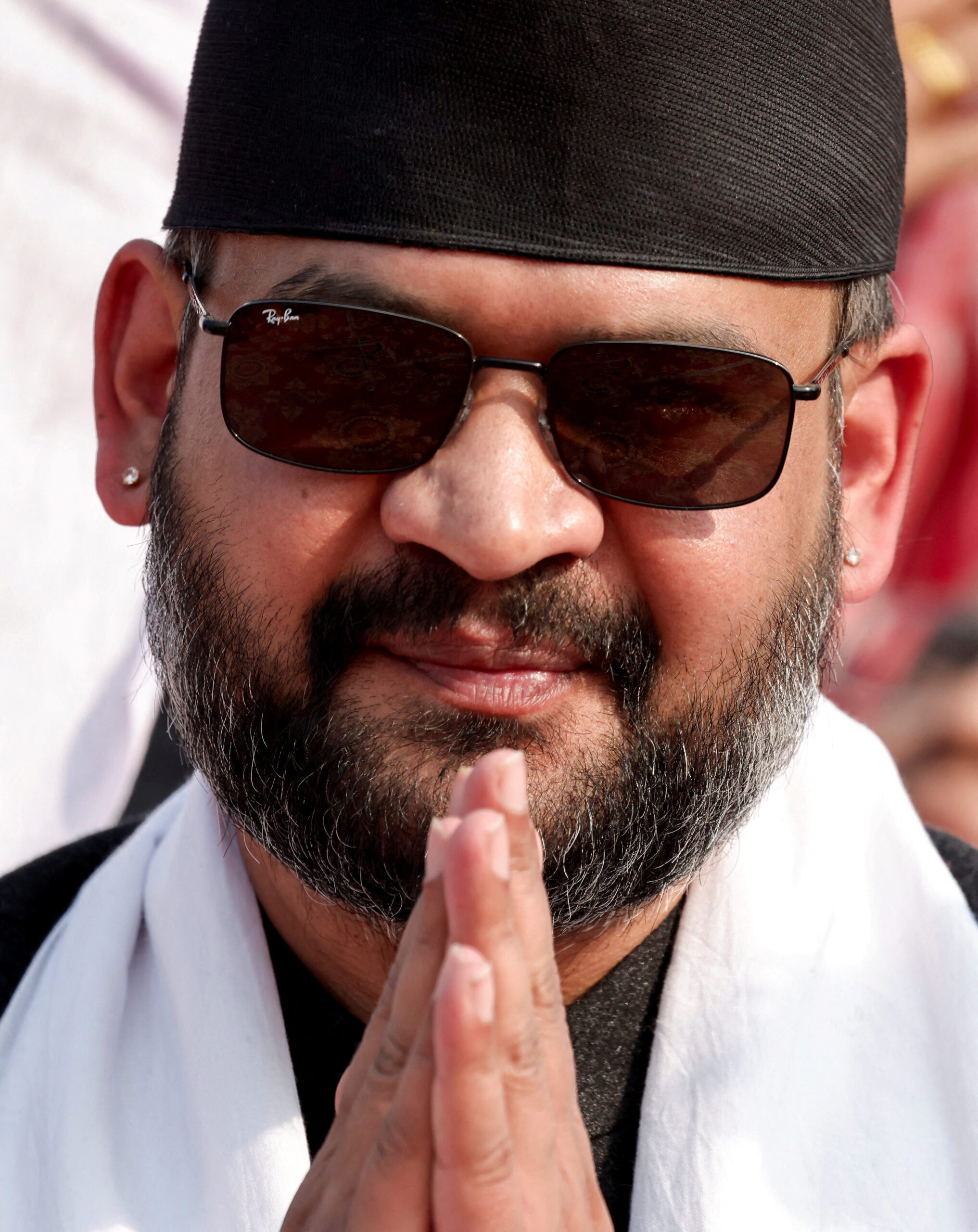
In a historic development, Balendra Shah, popularly known as Balen, has been elected as Nepal’s youngest Prime Minister at the age of 38. A former rapper, civil engineer, and Mayor of Kathmandu, Shah’s rise from independent politics to the highest office marks a paradigm shift in Nepal’s political landscape. This development holds significant relevance for CLAT aspirants studying comparative constitutional law, India’s neighbourhood policy, and parliamentary systems.
The Rise of Balendra Shah
Balendra Shah’s political journey is unconventional by South Asian standards. A civil engineer by training and a rapper by passion, he first entered the political arena as an independent candidate for the Kathmandu Metropolitan City mayoral election in 2022, which he won decisively. His anti-corruption stance and focus on urban governance won him massive popular support, particularly among Nepal’s youth demographic.
On 27 March 2026, Shah was elected Prime Minister with the backing of the Rastriya Swatantra Party (RSP) and a coalition of smaller parties. At 38, he becomes the youngest person to hold the office in Nepal’s history.
CONSTITUTIONAL FRAMEWORK
Nepal’s Constitution (2015) requires the PM to be at least 25 years old — the same minimum age for membership of the House of Representatives (Pratinidhi Sabha). Nepal follows a Federal Democratic Republican system with a bicameral parliament. The PM is appointed by the President on the recommendation of the House and must command a majority. Compare this with India, where the PM must be a member of either House of Parliament — Lok Sabha (min age 25) or Rajya Sabha (min age 30) — but there is no separate minimum age for the PM’s office itself.
Nepal’s Political System: Key Features
Nepal transitioned from a constitutional monarchy to a Federal Democratic Republic in 2008 after the abolition of the 240-year-old monarchy. The Constitution of Nepal 2015 established:
- Federal structure with 7 provinces
- Bicameral Parliament — House of Representatives (275 seats) and National Assembly (59 seats)
- Mixed electoral system — 165 FPTP + 110 Proportional Representation
- Ceremonial President as Head of State
- PM as Head of Government — must command majority in House of Representatives
CLAT ANGLE
Comparative Parliamentary Systems: Both India and Nepal follow the Westminster model of parliamentary democracy. However, Nepal’s 2015 Constitution is more recent and includes provisions like mandatory proportional representation for marginalized groups, federal provinces, and a directly elected President. CLAT questions often test comparative polity — expect questions comparing age requirements, no-confidence motions, and federal structures between India, Nepal, Bangladesh, and Sri Lanka.
India-Nepal Relations: Constitutional & Treaty Framework
India and Nepal share one of the most unique bilateral relationships in South Asia, governed by:
India-Nepal Treaty of Peace and Friendship (1950)
Signed on 31 July 1950, this treaty established:
- Open border policy — citizens of both countries can travel, work, and reside freely
- Reciprocal national treatment for each other’s citizens
- Mutual consultation on security matters
- Nepal’s right to import arms through India
Article 51 — DPSP on International Relations
Article 51 of the Indian Constitution directs the State to:
- Promote international peace and security
- Maintain just and honourable relations between nations
- Foster respect for international law and treaty obligations
- Encourage settlement of disputes by arbitration
India’s “Neighbourhood First” policy, which prioritizes relations with immediate neighbours, draws its constitutional basis from Article 51.
KEY FACTS AT A GLANCE
- Balendra Shah’s age: 38 years (youngest Nepal PM)
- Previous role: Mayor of Kathmandu (since 2022)
- Background: Civil Engineer + Rapper
- Nepal became republic: 2008
- Nepal’s Constitution: 2015 (replaced interim constitution of 2007)
- India-Nepal Treaty: 1950 Treaty of Peace and Friendship
- Open border: 1,770 km shared border, visa-free movement
- Gorkha recruitment: Nepal citizens serve in Indian Army under bilateral agreement
- Article 51: DPSP on international peace and security
- Article 84: Minimum age for Lok Sabha — 25 years
Comparative Analysis: PM Eligibility
| Feature | India | Nepal |
|---|---|---|
| Min. age for PM | 25 (via LS) / 30 (via RS) | 25 years |
| System | Federal Parliamentary | Federal Parliamentary Republic |
| Head of State | President (elected by EC) | President (elected by EC) |
| Legislature | Bicameral (LS + RS) | Bicameral (HoR + NA) |
| Youngest PM | Rajiv Gandhi (40, in 1984) | Balendra Shah (38, in 2026) |
MNEMONIC: NEPAL (India-Nepal Relations)
N — Neighbourhood First Policy
E — Eighteen-fifty Treaty (1950)
P — Peace and Friendship Treaty
A — Article 51 (DPSP – International Relations)
L — Land border open (1,770 km, visa-free)
Why This Matters for CLAT 2027
This news item is a goldmine for CLAT preparation across multiple sections:
- GK/Current Affairs: Nepal PM, age, background, political party
- Legal Reasoning: Comparative constitutional provisions on PM eligibility, age requirements
- Logical Reasoning: Passage-based questions on India-Nepal treaty provisions
- Reading Comprehension: Editorial-style passages on neighbourhood policy
Practice Quiz
Practice Quiz — 10 CLAT-Style Questions
Click an option to reveal the answer and explanation.