

CURRENT AFFAIRS | MARCH 30, 2026
CLAT GK + ANTI-TERROR LAW & NATIONAL SECURITY
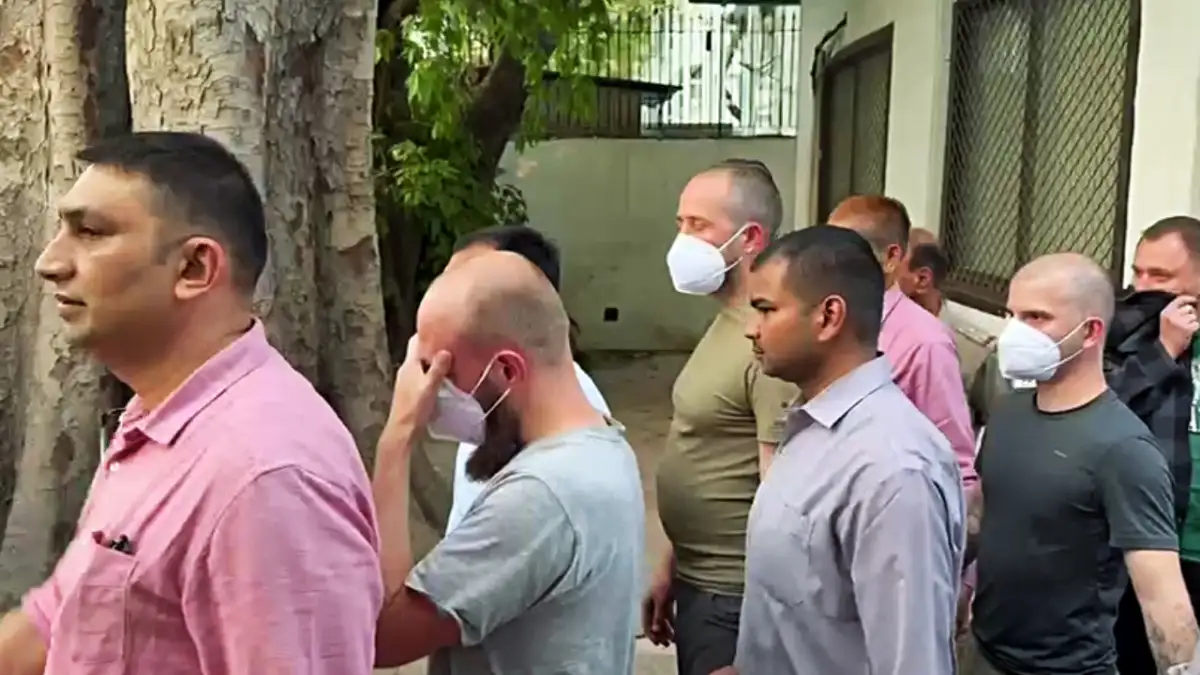
In a major national security development, a Delhi court has agreed with the National Investigation Agency (NIA) to extend the custody of 7 foreign nationals — 6 Ukrainians and 1 American — arrested in connection with an alleged drone warfare conspiracy linked to armed groups operating along India’s northeast border with Myanmar. The case raises critical questions about India’s anti-terror legal framework, drone regulation, the NIA’s jurisdiction, and the constitutional rights of foreign nationals arrested in India.
What Happened?
The seven foreign nationals were arrested on 13 March 2026 at three different airports across India:
- Matthew Aaron VanDyke (American) — detained at Kolkata airport by the Bureau of Immigration
- Hurba Petro, Slyviak Taras, Ivan Sukmanovskyi, Stefankiv Marian, Honcharuk Maksim, and Kaminskyi Viktor (all Ukrainian citizens) — detained in Lucknow and Delhi
The NIA told the court that the foreigners had crossed to Myanmar to train armed groups in drone warfare and were involved in illegally importing large consignments of drones from Europe to Myanmar via India for use by “ethnic armed groups.” The agency alleged these groups also supported Indian insurgent groups by supplying weapons and training them in terrorist activities.
Court Proceedings
A Special NIA Court in New Delhi initially granted 11-day custody and subsequently, on 27 March 2026, extended custody by an additional 10 days. The accused have been booked under Section 18 of UAPA (terror conspiracy) and relevant BNS provisions.
Key questions the NIA is investigating include:
- What was the objective of using drones?
- Was any rebel ethnic group linked to the conspiracy?
- What is the connection to Myanmar-based armed groups?
- Whether the accused came to India directly or through third countries
- The transit corridor: Europe to Guwahati to Mizoram to Myanmar border
Constitutional & Legal Framework
- NIA Act, 2008: Established after the 26/11 Mumbai terror attacks, the NIA has jurisdiction to investigate offences affecting sovereignty, security, and integrity of India — both within and outside the country. Cases are tried by Special NIA Courts.
- UAPA (Unlawful Activities Prevention Act, 1967): Section 18 deals with conspiracy to commit terrorist acts. Amended multiple times (most recently 2019) to allow designation of individuals as terrorists.
- Article 22 (Protection Against Arrest & Detention): Guarantees the right to be informed of grounds of arrest, right to consult a legal practitioner, and production before a magistrate within 24 hours.
- Aircraft Act, 1934 & Drone Rules, 2021: Regulate unmanned aircraft systems in India. The import and operation of drones without authorization is a criminal offence.
- Indian Extradition Act, 1962: Governs extradition proceedings — relevant if foreign governments seek the return of their nationals.
CLAT Exam Angle
This case touches on multiple high-value CLAT topics:
- Anti-Terror Framework: NIA Act 2008 jurisdiction, UAPA provisions, Special Courts — frequently tested in CLAT legal reasoning
- Constitutional Rights of Accused: Article 22 protections apply to foreign nationals too — right to legal counsel, production before magistrate
- Drone Regulation: A growing area — Aircraft Act 1934 read with Drone Rules 2021 — expect awareness questions
- Extradition Law: The Indian Extradition Act 1962 and bilateral extradition treaties — Ukraine’s demand for consular access and protests
- Northeast Security: The Myanmar border, ethnic armed groups, and India’s counter-insurgency challenges
Who is Matthew VanDyke?
VanDyke first gained international attention during the 2011 Libyan Civil War, where he fought alongside rebels against Muammar Gaddafi and was held as a prisoner of war. He subsequently had a presence in conflict zones including Iraq, Syria, and most recently in Ukraine following the 2022 Russian invasion, where he reportedly conducted training for civilians and pioneered counter-drone technologies.
Diplomatic Reactions
The arrests have triggered diplomatic sensitivities:
- The US Embassy confirmed awareness of VanDyke’s arrest
- The Ukrainian Foreign Ministry demanded “immediate provision of unimpeded consular access” and filed a formal protest
- Reports suggest Russian intelligence may have shared information about the foreign nationals’ movements with Indian authorities
Key Facts at a Glance
| Arrested | 7 foreigners (6 Ukrainians + 1 American) |
| Date of Arrest | 13 March 2026 |
| Charges | UAPA Section 18 (terror conspiracy) + BNS provisions |
| Custody Extended | 10 additional days (27 March 2026) |
| Transit Route | Europe → Guwahati → Mizoram → Myanmar |
| Allegation | Training armed groups in drone warfare; illegal drone import |
| Total Ukrainians Involved | 14 entered on tourist visas; 8 still being traced |
Mnemonic: “DRONE” for Anti-Terror Framework
D — Drone Rules 2021 + Aircraft Act 1934
R — Rights under Article 22 (arrest protections)
O — Offences under UAPA Section 18 (terror conspiracy)
N — NIA Act 2008 (Special Courts, pan-India jurisdiction)
E — Extradition Act 1962 (bilateral treaty framework)
This case is a vivid illustration of how modern security threats — involving drones, cross-border insurgency, and foreign fighters — interact with India’s legal framework. For CLAT aspirants, mastering the NIA Act, UAPA provisions, and Article 22 protections is essential, as these topics frequently appear in both the legal reasoning and current affairs sections.
Practice Quiz — 10 CLAT-Style Questions
Click an option to reveal the answer and explanation.






