CURRENT AFFAIRS | 18 APRIL 2026
CLAT GK + CONSTITUTIONAL LAW & RELEVANT AREA
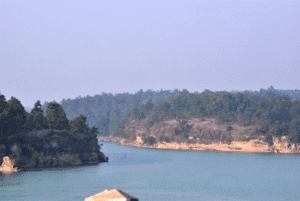
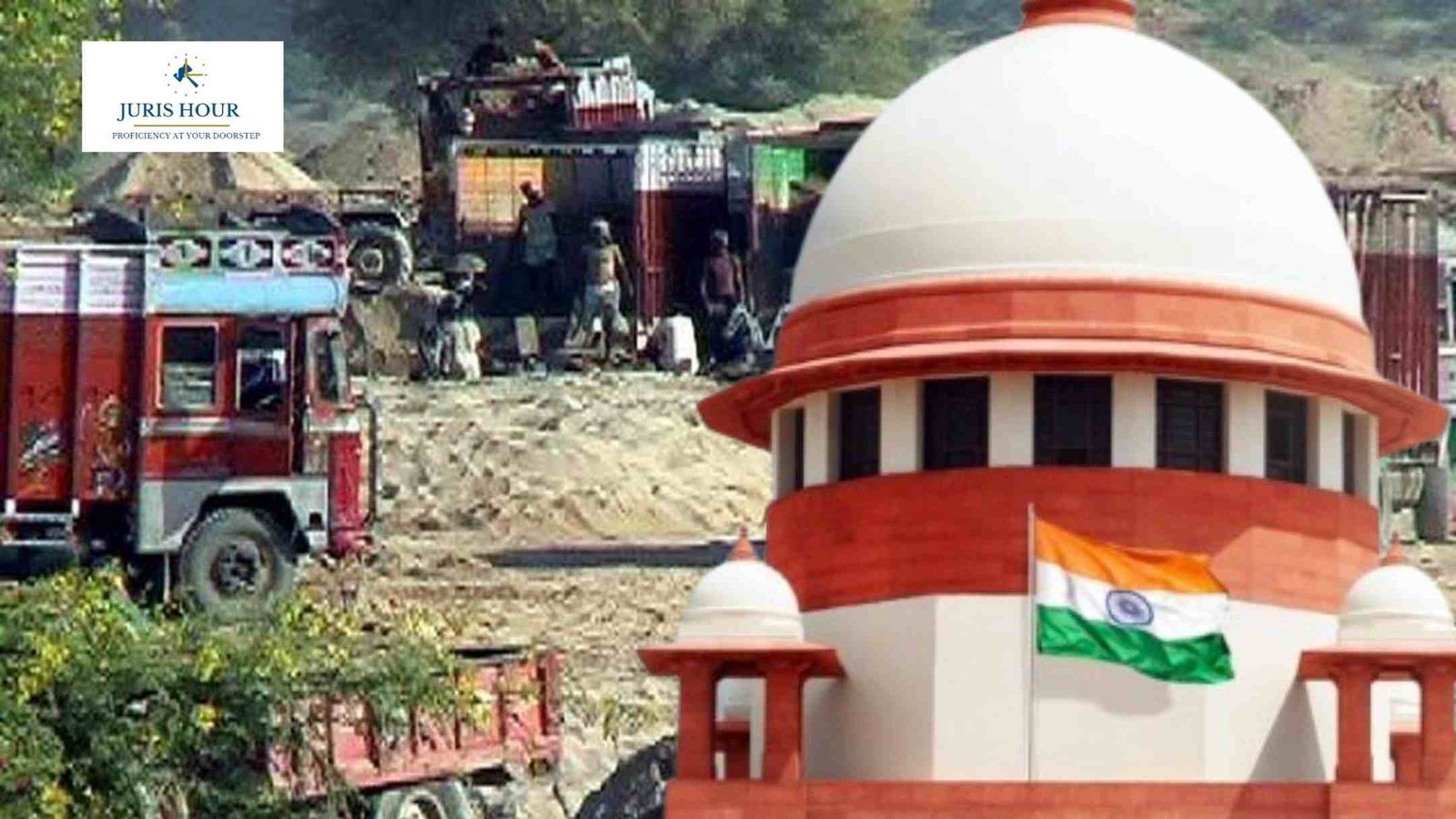
A Supreme Court bench of Justices Vikram Nath and Sandeep Mehta has directed Madhya Pradesh, Rajasthan and Uttar Pradesh to install Wi-Fi-enabled high-resolution CCTVs with GPS tracking across all routes into the National Chambal Ghariyal Sanctuary, after describing the three states as ‘silent spectators’ to rampant illegal sand mining. Non-compliance will invite preventive detention, vehicle seizure and possible deployment of central paramilitary forces.
The order came on a suo motu proceeding the Court has been monitoring through a continuing mandamus model. The sanctuary, home to fewer than 250 adult Gavialis gangeticus (gharials), is Critically Endangered on the IUCN Red List. The Bench held that the states’ failure to act on earlier orders amounted to a “complete administrative failure” and imperilled the river’s fragile ecology.
Constitutional & Legal Framework
- Art 48A (DPSP, 42nd CAA 1976): State duty to protect and improve the environment and safeguard forests and wildlife.
- Art 51A(g) (Fundamental Duty): Every citizen’s duty to protect and improve natural environment including rivers, lakes, forests and wildlife.
- Wildlife (Protection) Act 1972 Sec 35: Declaration of sanctuaries by the State/Centre.
- MMDR Act 1957 Sec 4: No mining without a lease; illegal sand mining is a cognisable offence.
- Environment (Protection) Act 1986 Sec 5: Central Government’s power to issue directions including closure, prohibition or regulation of any industry or operation.
- BNSS preventive detention: Sections replacing CrPC Sec 151 — flagged by the SC for use against habitual sand-mafia offenders.
- Key precedents: T. N. Godavarman v UoI (continuing mandamus on forest governance), Deepak Kumar v State of Haryana (2012) — environmental clearance mandatory even for minor minerals; M. C. Mehta v Kamal Nath (1997) — public trust doctrine over natural resources.
CLAT Angle — Why This Matters
The Chambal order is a textbook ‘continuing mandamus’ case — the SC retains seisin and passes successive directions until compliance. For CLAT, this is a high-value entry point into three overlapping doctrines: the public trust doctrine (State as trustee of rivers, not owner), the precautionary principle (act before irreversible damage), and the polluter pays principle. Expect legal-reasoning passages contrasting Art 48A (DPSP — non-justiciable) with Art 51A(g) (Fundamental Duty — citizen-facing, not directly enforceable) and asking how the Court bridges both via Art 21 (right to clean environment, Subhash Kumar v State of Bihar 1991).
Key Facts at a Glance
| Element | Detail |
|---|---|
| Bench | Justice Vikram Nath & Justice Sandeep Mehta |
| States criticised | Madhya Pradesh, Rajasthan, Uttar Pradesh |
| Key districts | Morena (MP), Dhaulpur (Raj) |
| Sanctuary designation | Wildlife (Protection) Act 1972 Sec 35 |
| Gharial IUCN status | Critically Endangered (<250 adults) |
| Enforcement | CCTV+GPS, SP/DFO oversight, vehicle seizure |
| Escalation threat | Total mining ban + CRPF deployment |
Mnemonic
“GHARIAL” — Godavarman (continuing mandamus), Harmful sand mining, Art 48A, River (public trust), IUCN Critically Endangered, Art 51A(g), Lease-only mining under MMDR.
Practice Quiz — 10 MCQs
Test yourself on the environmental-law framework behind the Chambal CCTV order.
Practice Quiz — 10 CLAT-Style Questions
Click an option to reveal the answer and explanation.